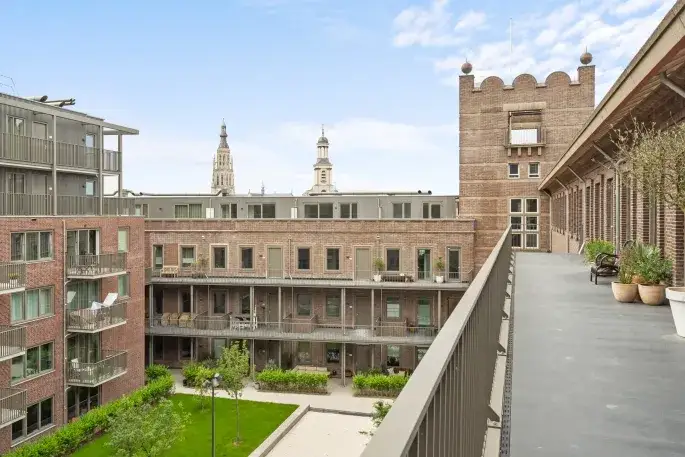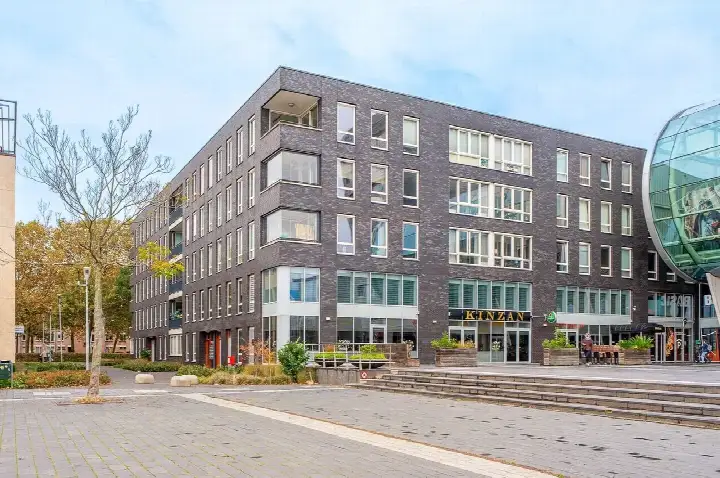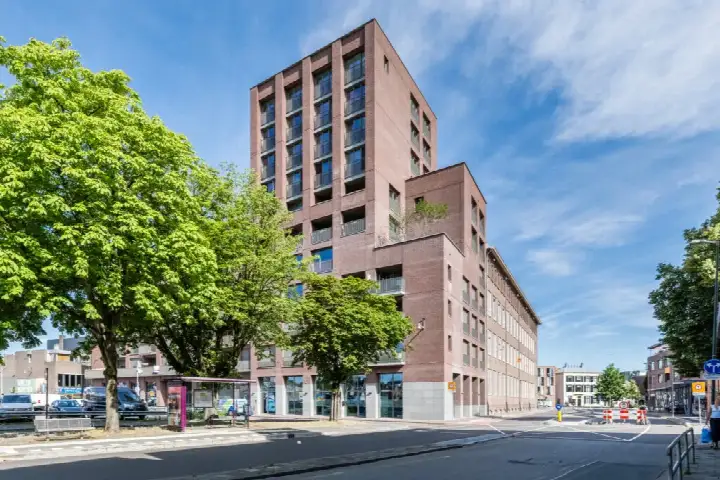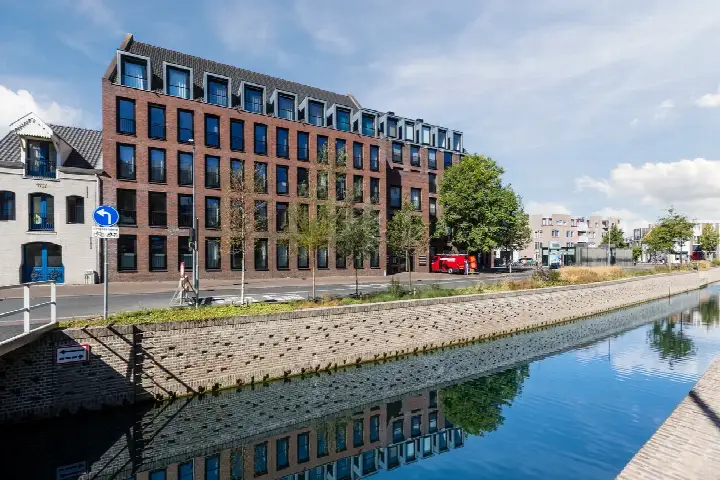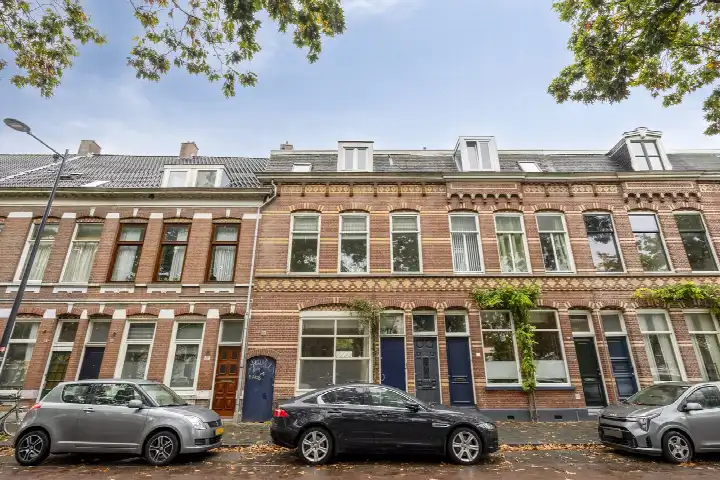





A 19th-century apartment in the heart of Breda
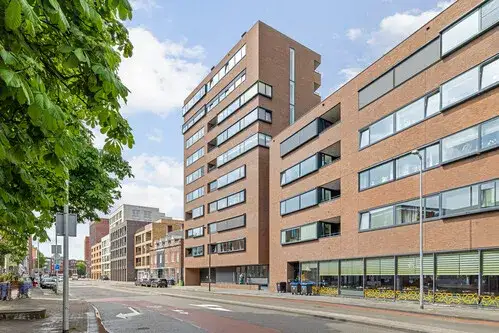
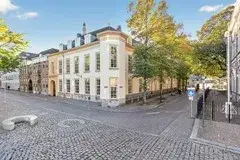
This apartment on Halstraat 21 sits in the middle of Breda, right in the bustling City neighbourhood. Built in 1898, it is a striking piece of the old town, and the asking price of €595,000 is keen compared with the neighbourhood average asking price of €643,226. The home is one of the apartments in Breda currently on the market.
Inside the home
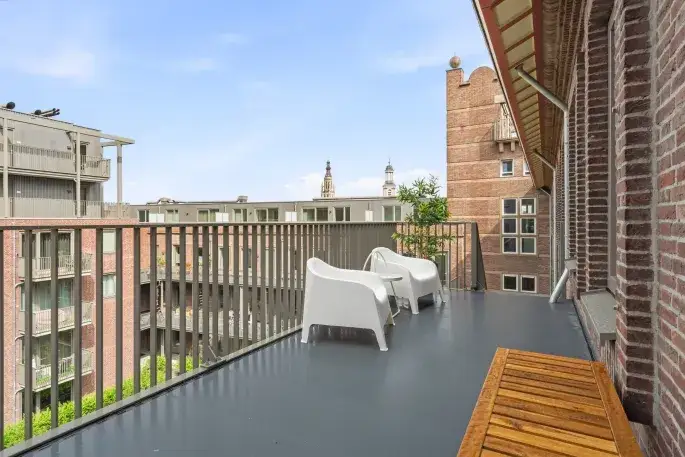
The apartment spans two floors and includes three rooms, two bedrooms and one bathroom. It is located on the first floor and has a roof terrace, which is part of the homeowners' association and comes with a monthly contribution of €220.92. The property is fully owned, has mostly double glazing and a central heating boiler. The living area is 149 m² according to the BAG registration, while the agent lists 148 m².
Life in the City neighbourhood
The City neighbourhood is compact and lively, with a mix of historic buildings and modern life. Residents of the district of Breda centrum give their surroundings an average score of 7.06, based on seven reviews. One resident says: "Beautiful neighbourhood, good experiences." Another notes: "Lots of drug addicts and homeless people hanging around here. The front door looks like a rubbish dump, nobody cleans it up, the council does nothing about it." A third resident mentions: "Not enough bicycle parking. Often theft, 6 bikes stolen within a year. Often there is (bulky) waste around the containers. Lots of noise at night, especially during holidays and festivals. The house shakes when a train passes by. 3 floors and no lift." The neighbourhood has 2,680 inhabitants, and 72% of households are single-person households. For more on the area, see the City neighbourhood.
Amenities and transport
Daily errands are easy from here. The Albert Heijn is on your doorstep, and a Coop is just around the corner. For schools, De Singel SO is a ten-minute walk away, and Onze Lieve Vrouwelyceum is a couple of streets further. The nearest GP is Huisartsenpraktijk Majdandzic, a ten-minute walk, and the pharmacy Apotheek Motké-Poels BV is a couple of streets away. The bus stop Breda, Centrum is just around the corner, with lines 2, 4, 5, 176, 370, 371, 373, 374 and 380. The train station Breda is a ten-minute walk. For more on the wider area, see the municipality of Breda. The address-level risk data from public sources (Atlas Leefomgeving, KCAF, Klimaateffectatlas) indicates that noise from road traffic is 40 dB Lden, from rail traffic 34 dB Lden, and from air traffic 25 dB Lden, all below the noise standard. The foundation risk indication is low, and the soil type is sand. For climate, pluvial flooding risk is low, flood risk is low now and in 2050, and heat stress is medium now and in 2050. These are area-level indications, not an inspection of this specific home.
Source
At the time of writing, the home is offered via multiple channels, including Van der Sande Makelaars.
This summary was generated with AI and may contain errors. Always verify the details with the provider.
Features
Details of this home
Transfer
Price
Energy
 Save up to € 400 on your energy billCompare now
Areas and volume
Layout
Construction
Outdoor space
Frequently asked questions
About Halstraat 21, Breda
How does the asking price compare with the neighbourhood average?
The asking price of €595,000 is 7% below the neighbourhood average asking price of €643,226, which is described as keen. The price per square metre is €4,020 based on the agent's listed area, which is 28% lower than the neighbourhood average of €5,556 per m². This comparison is based on the current listings in the City neighbourhood.
What is the layout of this apartment?
The apartment has three rooms, including two bedrooms and one bathroom, spread over two floors. It is located on the first floor and includes a roof terrace, which is part of the homeowners' association. The living area is 149 m² according to the BAG registration, while the agent lists 148 m². The property is fully owned and has a central heating boiler.
What is the WOZ value of this home?
The WOZ value is the municipal valuation used for taxes, and it is not always included in property listings. Without this figure, it is not possible to compare the asking price with the official valuation. The asking price of €595,000 is compared with the neighbourhood average asking price instead.
What are the noise levels around this address?
According to public address-level data, the noise from road traffic is 40 dB Lden, from rail traffic 34 dB Lden, and from air traffic 25 dB Lden, all below the noise standard. These are area-level indications, not measurements taken at the property itself. The data comes from sources like Atlas Leefomgeving and is based on the reference years 2022 and 2023.
What supermarkets are nearby?
The nearest supermarket is an Albert Heijn at 43 metres, which is on your doorstep. A Coop is at 194 metres, just around the corner. There are also two SPAR stores within about 500 metres. With 44 supermarkets within 5 kilometres, you have plenty of options for daily groceries in the area.
What is the public transport situation?
The bus stop Breda, Centrum is at 167 metres, with lines 2, 4, 5, 176, 370, 371, 373, 374 and 380. Another stop, Breda, Vlaszak, is at 314 metres with more lines. The train station Breda is at 922 metres, about a ten-minute walk. This gives you good access to both local and regional transport.
What is the neighbourhood like according to residents?
Residents of the district of Breda centrum give their surroundings an average score of 7.06, based on seven reviews. One resident says: "Beautiful neighbourhood, good experiences." Another mentions issues with drug addicts and homeless people, while a third notes problems with bicycle parking, theft, and noise at night. These reviews reflect the district as a whole, not just the immediate neighbourhood.
What is the foundation risk for this property?
The foundation risk indication for this address is low, according to public data. The soil type is sand, and the home was built before 1970, in 1898. This is an area-level indication, not an inspection of the specific property. The data comes from KCAF and other public sources, and it does not replace a structural survey.