




A pre-war apartment with a modern label
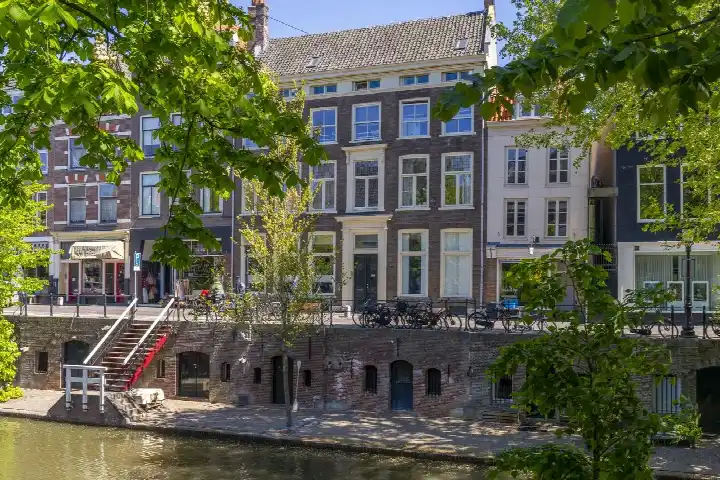
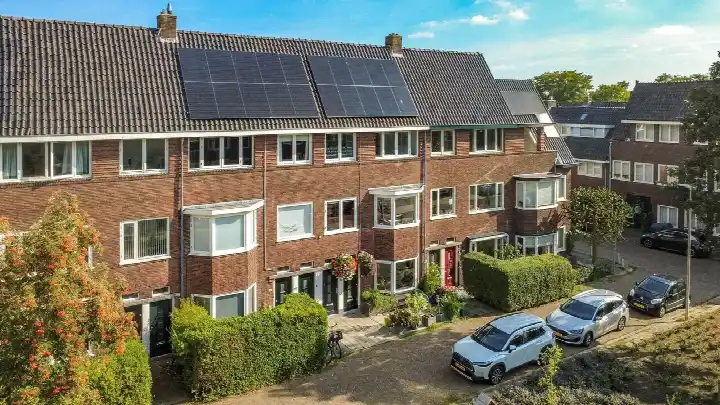
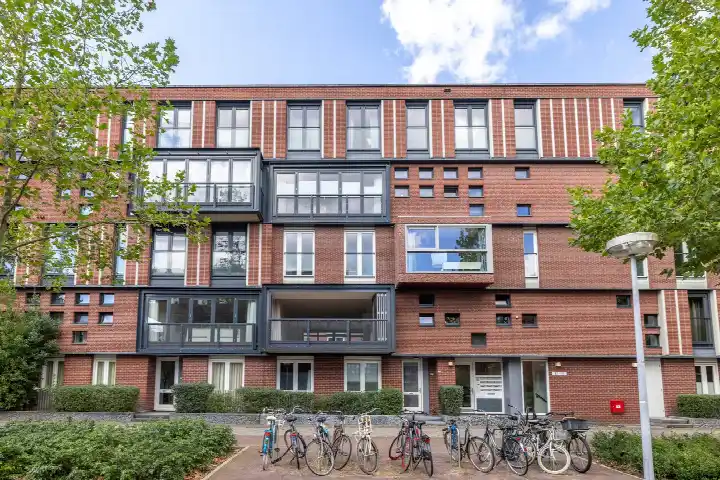
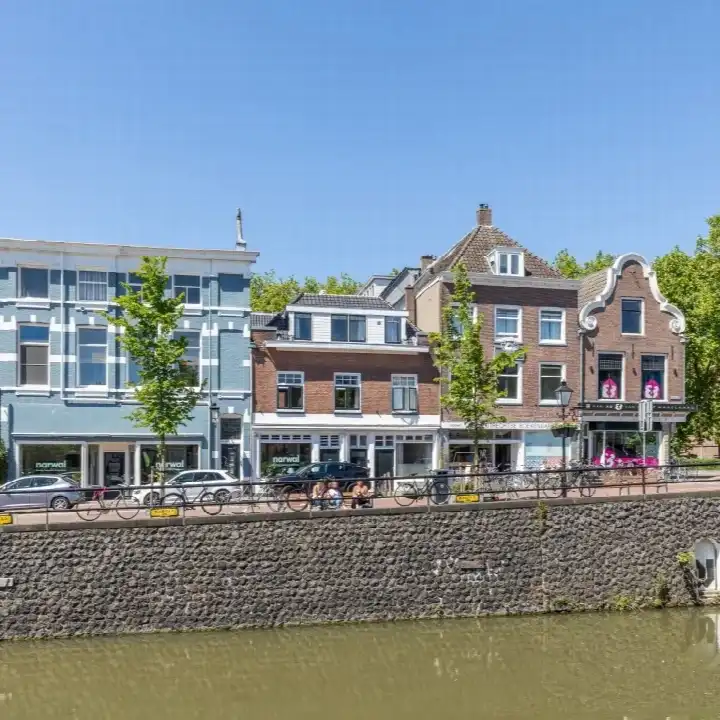
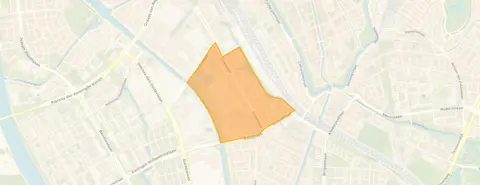
This apartment on Jacob Catsstraat sits in Dichterswijk, a neighbourhood in the Zuidwest district of Utrecht. Built in 1906, the home combines a pre-war shell with an energy label A, which is an efficient label. The asking price of €749,000 is on the high side, 16% above the average asking price of €644,613 for apartments in Utrecht.
Inside the home
The apartment spans two floors and has four rooms, including three bedrooms and one bathroom. The living area is 92 m² according to the agent, while the BAG registration lists 89 m². The total volume is 327 m³.
Life in Dichterswijk
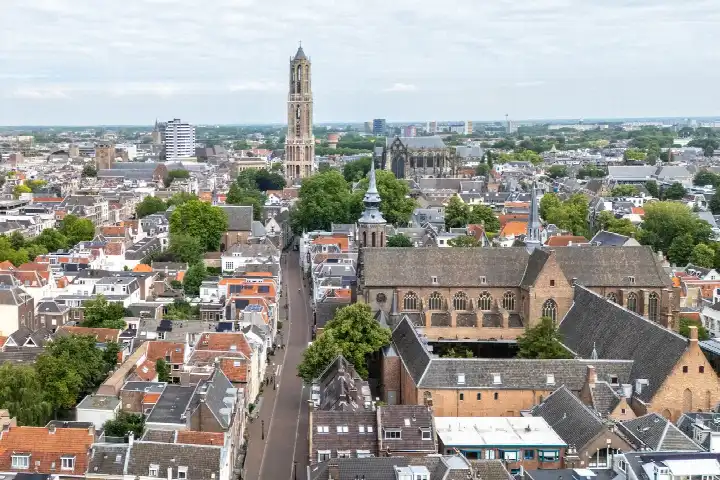
Dichterswijk is a compact urban area with around 5,760 residents, many of them between 25 and 45 years old. Residents of the district give their living environment an average score of 7.36, based on twelve reviews. One resident says: "Going well, contact with fellow residents friendly and attentive." Another resident, however, mentions that the neighbourhood is "becoming very criminal-like" and that they no longer dare to go outside in the evenings. A third review speaks of "impoverishment" and notes that the neighbourhood is getting dirtier. The reviews are mixed, so the experience clearly varies. For more context, you can read about the Dichterswijk neighbourhood.
Amenities and transport
Daily errands are easy from here. The PLUS supermarket is on your doorstep, and the Albert Heijn is just around the corner. Openbare Basisschool De Kleine Dichter is a couple of streets away, and Huisartsenpraktijk De Greev is a ten-minute walk. Apotheek Buijs is just around the corner. Bus line 1 stops at Utrecht, Brederoplein, on your doorstep, and Utrecht Vaartsche Rijn station is a ten-minute walk. The municipality of Utrecht offers all this and more, as you can see on the page for the municipality of Utrecht.
WOZ and address data
No WOZ value is available for this home. According to public address-level risk data, the noise from road traffic is 49 dB Lden, which is above the standard, while railway and industrial noise are below their standards. The foundation risk indication is medium, and the area-level data notes that 4% of buildings in this neighbourhood have an elevated risk of pile rot. Pluvial flooding at heavy rain is medium, and the current flood risk is elevated, though by 2050 it is projected to be low. Heat stress is currently low, but is expected to be medium by 2050. These are area-level indications, not an inspection of this specific home.
Source
At the time of writing, the home is offered only via Grifhorst Makelaardij.
This summary was generated with AI and may contain errors. Always verify the details with the provider.
Features
Details of this home
Transfer
Price
Energy
 Save up to € 400 on your energy billCompare now
Areas and volume
Layout
Construction
Outdoor space
The WOZ value is set annually by the municipality with 1 January as its reference date, and therefore lags the market by about a year. It is an estimated market value, not a sale price.
Frequently asked questions
About Jacob Catsstraat 23BS, Utrecht
How does the asking price compare to other homes in Dichterswijk?
The asking price of €749,000 is on the high side, 16% above the average asking price of €644,613 for homes in this neighbourhood. The average price per square metre in the neighbourhood is €6,048, while this home is listed at €8,141 per square metre based on the agent's floor area. Homes in this neighbourhood sell on average within 20 days.
What is the layout of this apartment?
The apartment has four rooms in total, including three bedrooms and one bathroom, spread over two floors. The living area is 92 m² according to the agent, while the BAG registration lists 89 m². The total volume of the home is 327 m³. The property was built in 1906.
What is the energy label of this home?
The energy label is A, which is an efficient label. This means the home is relatively energy-efficient compared to less efficient labels. The label does not say anything about the structural condition of the building, which dates from 1906. No insulation details are stated in the listing.
What is the foundation risk for this property?
The foundation risk indication for this address is medium, according to public area-level data. The home was built before 1970, and in this postcode area 100% of buildings date from before 1970. In the neighbourhood, 4% of buildings have an elevated risk of pile rot, according to the Klimaateffectatlas. This is an area-level indication, not an inspection of this specific home.
What are the noise levels around this address?
According to public address-level data, road traffic noise is 49 dB Lden, which is above the noise standard. Railway noise is 50 dB Lden, which is not above the standard, and industrial noise is 45 dB Lden, also not above the standard. These figures are area-level indications and do not reflect an actual measurement at the property.
What supermarkets are near this apartment?
The nearest supermarket is PLUS, at 134 metres, followed by Albert Heijn at 506 metres. Coop is at 717 metres, another Albert Heijn at 748 metres, and Jumbo at 765 metres. All are within a short walk, making daily grocery shopping convenient.
Which schools are close to this home?
The nearest primary school is Openbare Basisschool De Kleine Dichter, at 264 metres. Other primary schools within walking distance include odbs Puntenburg at 661 metres, KBS Gertrudis at 737 metres, and Agatha Snellenschool at 840 metres. For secondary education, Descart is at 971 metres.
What public transport options are available nearby?
Bus line 1 stops at Utrecht, Brederoplein, at 151 metres, and at Utrecht, Van der Goesstraat, at 188 metres. Bus lines 1 and 29 stop at Utrecht, Balijelaan, at 469 metres. The nearest train station is Utrecht Vaartsche Rijn, at 815 metres.
What is the neighbourhood like according to residents?
Residents of the district give their living environment an average score of 7.36, based on twelve reviews. One resident says: "Going well, contact with fellow residents friendly and attentive." Another resident mentions that the neighbourhood is "becoming very criminal-like" and that they no longer dare to go outside in the evenings. A third review speaks of "impoverishment" and notes that the neighbourhood is getting dirtier.