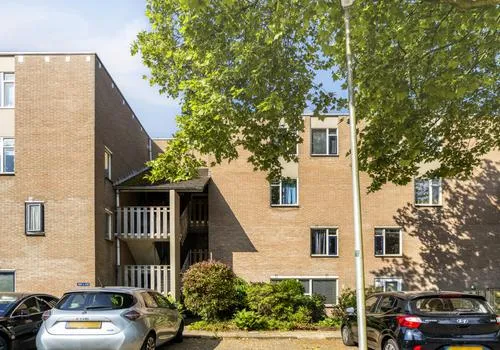
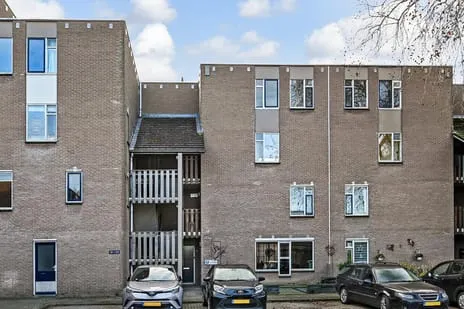
Jonkerbos 29
Meerzicht-Oost, Zoetermeer
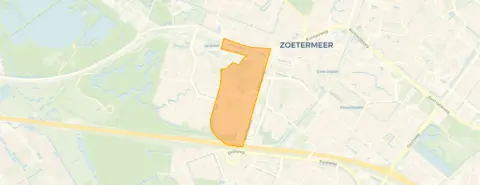 Neighbourhood
A quiet spot in Meerzicht-Oost
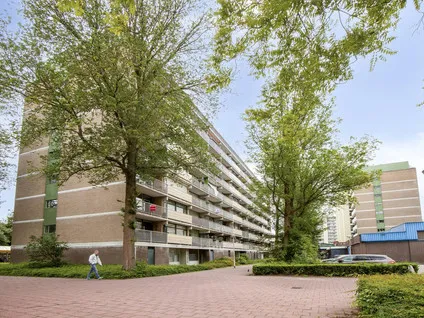
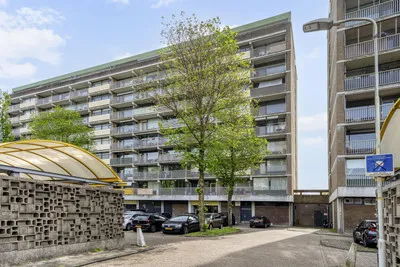
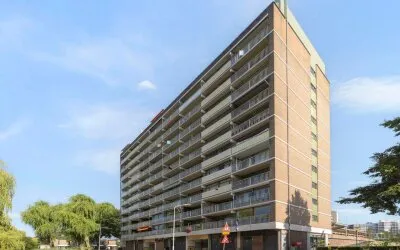
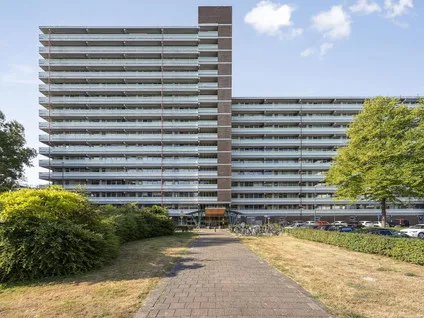
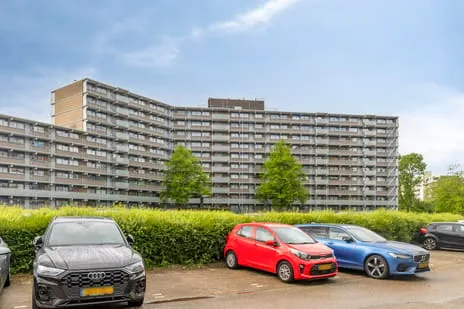
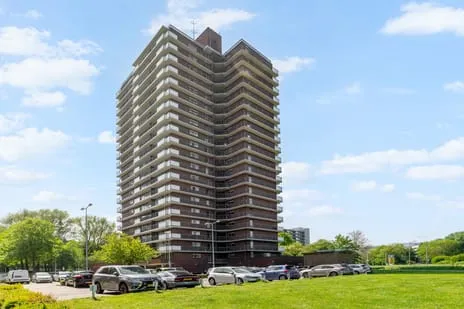
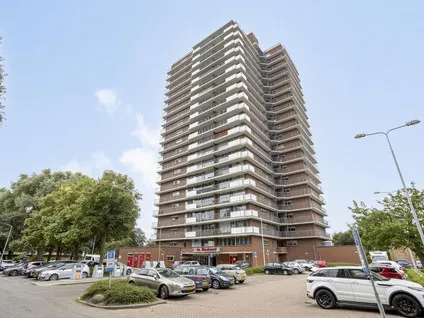
Jonkerbos 29 is an apartment from 1973 in the Meerzicht-Oost neighbourhood of Zoetermeer, a part of the city where residents of the wider district give their living environment a 7.5 out of 10. The asking price of €265,000 sits 32% below the average asking price in the neighbourhood, which comes to €392,321. That makes this home sharp in price compared with the local market. For context, the average asking price per square metre in the neighbourhood is €3,599, and this home comes in at €3,397 per square metre based on the BAG registration. If you are looking at [apartments in Zoetermeer], this one stands out on price.
The apartment itself
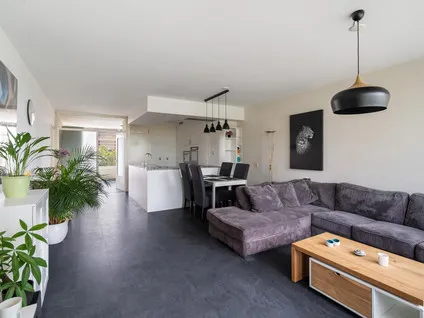
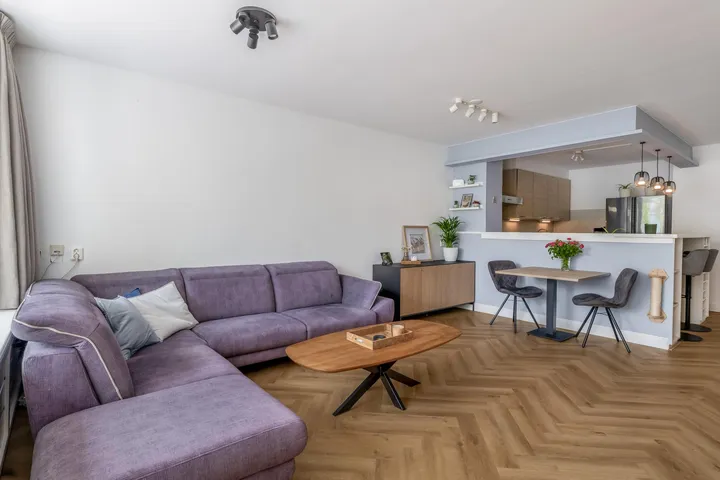
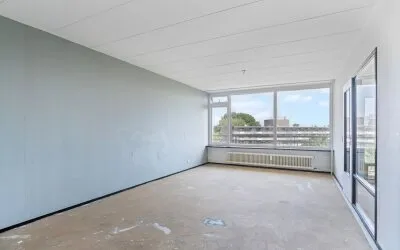
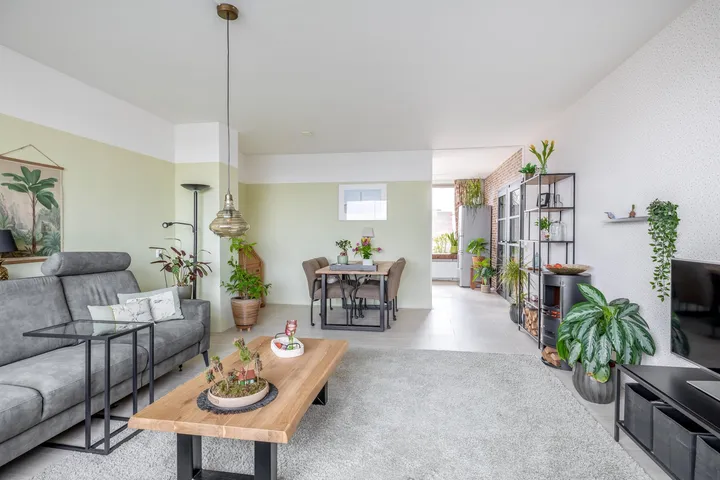
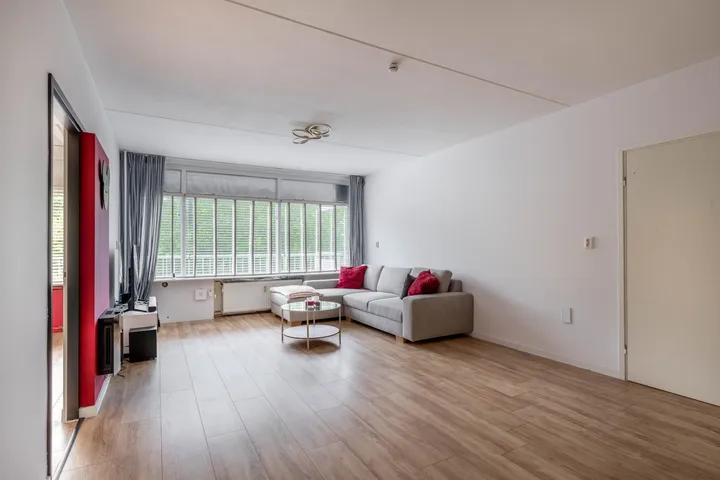
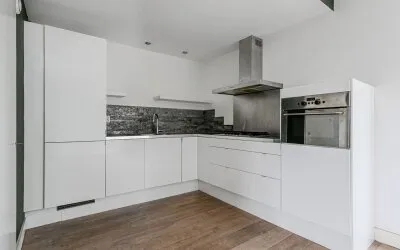
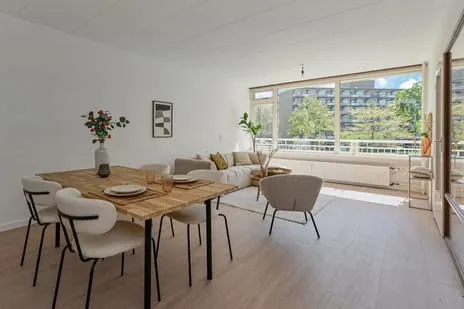
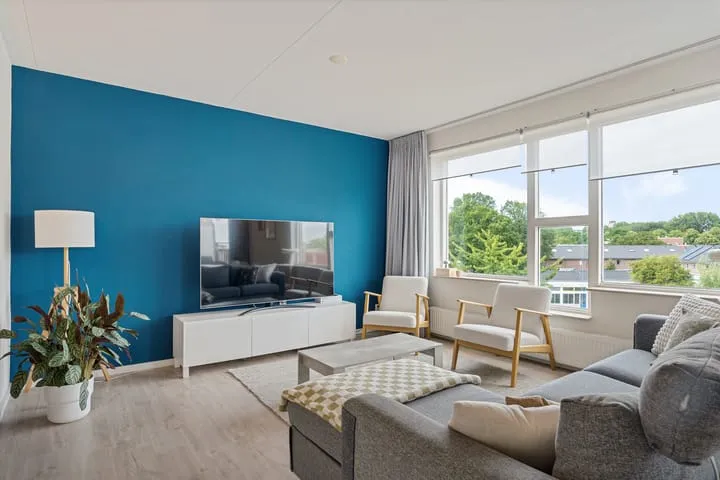
The home has a living area of 78 square metres according to the BAG registration. The energy label is A, which is an efficient label, so energy costs should be on the lower side. The apartment dates from 1973, a fact that says nothing about its condition but is simply part of its history. The listing does not provide further details on the layout, so the number of rooms and bedrooms is not stated.
Life in Meerzicht-Oost
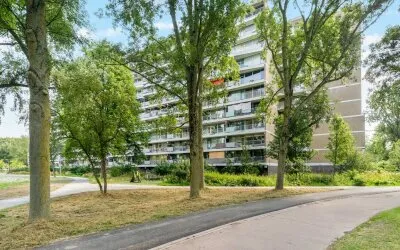
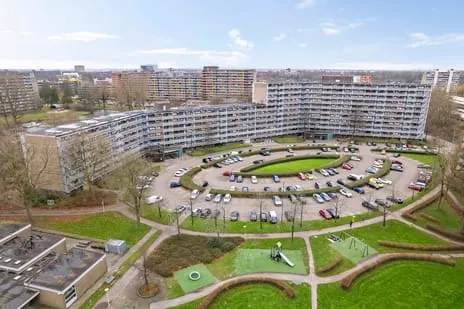
Meerzicht-Oost is a neighbourhood with 6,365 inhabitants, and about 49% of households are single-person households. Residents of the district Meerzicht describe it as quiet and green, with one saying: "It is a quiet, green and pleasant neighbourhood where you can enjoy walking and nature." Another resident mentions that "everything you need is nearby (such as shops, public transport and other amenities)". A third resident notes that "there are many trees and nature here, which makes it very quiet", though they also mention that "it is often dirty and dull-coloured buildings that made the neighbourhood a bit boring". These are based on six reviews of the district, not just this specific neighbourhood. The neighbourhood has a park or plantsoen just around the corner, and the address density is 3,534 per square kilometre, which makes it very strongly urban. For more on the area, you can read about [the Meerzicht-Oost neighbourhood].
Amenities and transport
Daily life here is well covered. Albert Heijn and Jumbo are both just around the corner, with Lidl a couple of streets away. For primary education, IKC Het Zwanenbos is on your doorstep, and Basisschool Wereldwijs is just around the corner. The nearest GP is Huisartspraktijk M.J. Bakker, and BENU Apotheek Meerzicht is. Public transport is close by: tram stop Meerzicht is just around the corner and serves line 3, while Voorweg Laag offers lines 3, 4 and N6. The nearest train station, Zoetermeer, is a ten-minute walk away. All of this sits within [the municipality of Zoetermeer].
WOZ and address data
There is no WOZ value stated for this home, so no comparison with the asking price is possible. The address-level risk data from public sources (Atlas Leefomgeving, KCAF, Klimaateffectatlas) gives area-level indications, not an inspection of this specific home. The noise from road traffic is 41 dB Lden, which is below the noise standard, and railway noise is 27 dB Lden, also below the standard. The foundation risk indication is low, though the soil is clay, which is sensitive to settling. For climate risks, pluvial flooding at heavy rain is low, flood risk is low now and in 2050, while heat stress is medium now and elevated by 2050.
Source
At the time of writing the home is offered only via Ooms Makelaars.
This summary was generated with AI and may contain errors. Always verify the details with the provider.
Features
Details of this home
Transfer
Price
Energy
 Save up to € 400 on your energy billCompare now
Areas and volume
 Insure your home and belongingsGet insured
Layout
Construction
Outdoor space
The WOZ value is set annually by the municipality with 1 January as its reference date, and therefore lags the market by about a year. It is an estimated market value, not a sale price.
Frequently asked questions
About Jonkerbos 29, Zoetermeer
How does the asking price compare with other homes in the neighbourhood?
The asking price of €265,000 is 32% below the average asking price in the neighbourhood, which is €392,321. The median asking price in the neighbourhood is €315,000, and prices range from €244,375 to €1,350,000. Based on the BAG registration of 78 square metres, the price per square metre is €3,397, while the neighbourhood average is €3,599 per square metre.
What is the energy label of this apartment?
The energy label is A, which is an efficient label. This means energy costs are likely to be on the lower side compared with less efficient labels. The apartment was built in 1973, and the label reflects the energy performance as registered, though the listing does not state specific insulation features.
Is there a WOZ value available for this home?
No WOZ value is stated for this home. Without it, there is no comparison possible between the asking price and the official valuation, and no historical development of the WOZ value can be shown.
What are the noise levels around this address?
The address-level risk data indicates that road traffic noise is 41 dB Lden, which is below the noise standard, based on the 2022 reference year. Railway noise is 27 dB Lden, also below the standard, from 2023. Aircraft noise is 30 dB Lden, below the standard as well, from 2022. These are area-level indications, not measurements taken at this specific home.
What is the foundation risk for this home?
The foundation risk indication is low, according to public address-level data. The soil type is clay, which is noted as sensitive to settling. This is an area-level indication from sources like KCAF, not an inspection of this specific property. The low risk level means no particular concern is flagged, though the clay soil is a factor to be aware of.
What are the climate risks for this address?
The climate risk data shows that pluvial flooding at heavy rain is low, and flood risk is low both now and in 2050. Heat stress is currently medium, and it is expected to be elevated by 2050. These are area-level indications from the Klimaateffectatlas, not a detailed assessment of this specific home.
Which supermarkets are closest to this apartment?
Albert Heijn and Jumbo are both just around the corner at about 401 metres. Lidl is a couple of streets away at 879 metres, and AH XL is at 942 metres. There is also another Jumbo at 981 metres. In total, there are 29 supermarkets within five kilometres, so grocery shopping is well covered.
What schools are near Jonkerbos 29?
IKC Het Zwanenbos is the nearest primary school at 160 metres, with 211 pupils. Basisschool Wereldwijs is at 206 metres, and Katholieke basisschool De Regenboog is at 219 metres. For secondary education, Pleysier College Zoetermeer is at 400 metres, and the nearest secondary school overall is about 2 kilometres away.
How is public transport in this area?
Tram stop Meerzicht is just around the corner at 411 metres and serves line 3. Voorweg Hoog is at 455 metres, also line 3, and Voorweg Laag at 456 metres offers lines 3, 4 and N6. The nearest train station is Zoetermeer at 1,275 metres, which is about a ten-minute walk.
What do residents say about living in this district?
Residents of the district Meerzicht give their living environment an average of 7.5 out of 10, based on six reviews. One resident says: "It is a quiet, green and pleasant neighbourhood where you can enjoy walking and nature." Another mentions that "everything you need is nearby (such as shops, public transport and other amenities)". A third notes it is "often dirty and dull-coloured buildings that made the neighbourhood a bit boring". These reviews describe the district, not just this specific neighbourhood.
What is the neighbourhood like in terms of demographics?
Meerzicht-Oost has 6,365 inhabitants, with 49% of households being single-person households and 30% being households with children. The age spread shows 27% are between 25 and 45, and 22% are 65 or older. The housing stock is 3,108 homes, of which 18% are single-family homes and 40% are owner-occupied.
Why are there no property details in this listing?
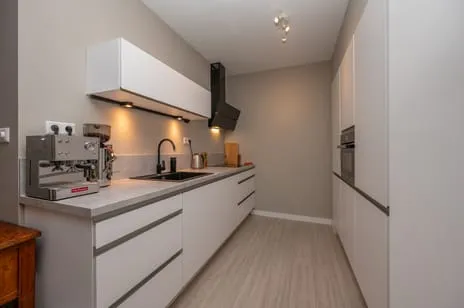
The listing does not state the number of rooms, bedrooms, bathrooms, or any details about the garden, balcony, or insulation. As a result, the layout of the home is not known from the listing. The only property facts available are the living area of 78 square metres, the year of construction 1973, and the energy label A.
Experiences from Meerzicht-Oost
How residents experience their neighbourhood
I live here with great pleasure. It is a quiet, green and pleasant neighbourhood where you can enjoy walking and nature. Everything you need is nearby (such as shops, public transport and other amenities). The neighbours are friendly and helpful, and there is a pleasant atmosphere. I feel safe here and can definitely recommend this neighbourhood.
Auto-translated to English by AIMeerzicht used to be a beautiful green neighbourhood, with many lovely tall trees and shrubs, rich in birds, bird concerts at various times from early morning to late evening. Benches in the park and other spots every few hundred metres where you could safely enjoy and meet others. Now too many tall trees have been cut down, often for completely unclear reasons, a park with only a few trees, almost all shrubs cut to the ground, hardly any benches left. It has become quiet. Birds are no longer allowed to be fed, they have nowhere to nest, benches are gone. Vandalism, unsafety, pollution, litter, decay and loneliness are visibly increasing. People no longer want to know each other. This is not only due to the increased multicultural society, although it does contribute to it. Children learn little in that regard, compared to the stricter upbringing in the past at home, at school and being addressed on the street. There are so many studies on how important trees and well-maintained greenery are for the social climate and behaviour in a neighbourhood. Trees provide oxygen, air purification, shade and coolness in the heat and shelter, noise reduction, besides all the animals, insects, birds that live in them. People behave better in a well-maintained green neighbourhood. That is why this large-scale removal of all greenery is incomprehensible and almost criminal. There is far too little replacement planting. We cannot enjoy what might have a chance in fifty years to survive the blunt axes. And there are no benches to rest for a moment and for social contacts. We are stuck with green poverty now, vanished birds, loneliness.
Auto-translated to English by AIThe neighbourhood is really deteriorating. Unsafe feeling. Go outside as little as possible in the dark. There are quite a few polluters who couldn't care less. Litter, cigarette butts, vandalism, drugs, damaged cars, burglaries, occasional loud noise, fireworks all year round. Parking nuisance and traffic jams on Fridays. People don't dare to address each other. A number of volunteers try to make improvements by picking up rubbish and such, nice neighbourhood initiatives for their own flat or street, neighbourhood management tries to help improve, municipal subsidy for that. In combination with sustainability actions we are waiting for. All ages. So facilities for the elderly are also needed, I've been calling for more benches, a community garden, low-threshold meeting spaces for all target groups for years. All of that used to be there and that's how there was more community in the literal sense. Since Palenstein moved in this direction, deterioration has accelerated rapidly. We have a RandstadRail stop, but there is no longer a neighbourhood bus, much too far to walk if you live further away. The flats and shopping centre are old and urgently need a thorough renovation. A lot of deferred maintenance. There is also an urgent need for housing here. Although some are occupied by people who have them for free and are themselves long-term in their home country. There are many primary schools in this district. I don't have children myself, so I can't judge the quality. Far too many trees have been cut down, bushes removed, birds can hardly find perches anymore, so there are few. We can hardly attract them by feeding because of severe mice and rat infestation. The park is far too bare. Due to a water project, many old large trees have disappeared and little replanting. And many more tree removals are on the list. Maintenance and care of existing greenery is apparently too expensive. There are tree doctors who could possibly help the old trees too. Much more greenery should be added, also on the flats, galleries, etc. For appearance, birds, insects, bees and butterflies especially. It also makes people happier and more involved and reduces vandalism. That's psychologically proven. Monthly bulky waste collection should return. Possibly a different day per district or group of streets. That would save a lot of illegal dumping. And who knows, promote recycling. Due to vandalism, we cannot place a mini library or give-away boxes, not even a notice board with offers, even though there is a need for that. In the past, there were many spaces that could be rented cheaply by associations and small entrepreneurs. Around the shopping centre. The range of shops was also much more complete with a Blokker, DIY store, shoe shop, heel bar, Jamin, Readshop, etc. Now everything is gone and unaffordable. Many people try to move to better neighbourhoods. There is loneliness. Someone lay dead in their house for four months and that's not the first time. Days, weeks have also occurred. The environment is not really inspiring, little involvement due to the deterioration and few free or cheap options.
Auto-translated to English by AIStatistics for Meerzicht-Oost
Figures on residents, liveability and the housing market
| Sale price | €392,321 | €315,000 |
|---|---|---|
| Sale per m² | €3,599 | – |
| Rent price | €1,091 p/m | €1,091 p/m |
Experiences from Meerzicht
How residents experience their district
I live here with great pleasure. It is a quiet, green and pleasant neighbourhood where you can enjoy walking and nature. Everything you need is nearby (such as shops, public transport and other amenities). The neighbours are friendly and helpful, and there is a pleasant atmosphere. I feel safe here and can definitely recommend this neighbourhood.
Auto-translated to English by AIWe live in a nice neighbourhood, sometimes there's a bit of trouble but where isn't there. Lovely house, nice neighbours and everything is easily accessible. In our flat we help each other when needed and there's also social control. We're having a great time here.
Auto-translated to English by AIWe have shops, a tram and other businesses in the neighbourhood, such as a gym to provide for us. There are many trees and nature here, which makes it very quiet. Only it is often dirty and dull-coloured buildings that made the neighbourhood a bit boring.
Auto-translated to English by AIVery green, quiet neighbourhood on the edge of the park
Auto-translated to English by AIMeerzicht used to be a beautiful green neighbourhood, with many lovely tall trees and shrubs, rich in birds, bird concerts at various times from early morning to late evening. Benches in the park and other spots every few hundred metres where you could safely enjoy and meet others. Now too many tall trees have been cut down, often for completely unclear reasons, a park with only a few trees, almost all shrubs cut to the ground, hardly any benches left. It has become quiet. Birds are no longer allowed to be fed, they have nowhere to nest, benches are gone. Vandalism, unsafety, pollution, litter, decay and loneliness are visibly increasing. People no longer want to know each other. This is not only due to the increased multicultural society, although it does contribute to it. Children learn little in that regard, compared to the stricter upbringing in the past at home, at school and being addressed on the street. There are so many studies on how important trees and well-maintained greenery are for the social climate and behaviour in a neighbourhood. Trees provide oxygen, air purification, shade and coolness in the heat and shelter, noise reduction, besides all the animals, insects, birds that live in them. People behave better in a well-maintained green neighbourhood. That is why this large-scale removal of all greenery is incomprehensible and almost criminal. There is far too little replacement planting. We cannot enjoy what might have a chance in fifty years to survive the blunt axes. And there are no benches to rest for a moment and for social contacts. We are stuck with green poverty now, vanished birds, loneliness.
Auto-translated to English by AIThe neighbourhood is really deteriorating. Unsafe feeling. Go outside as little as possible in the dark. There are quite a few polluters who couldn't care less. Litter, cigarette butts, vandalism, drugs, damaged cars, burglaries, occasional loud noise, fireworks all year round. Parking nuisance and traffic jams on Fridays. People don't dare to address each other. A number of volunteers try to make improvements by picking up rubbish and such, nice neighbourhood initiatives for their own flat or street, neighbourhood management tries to help improve, municipal subsidy for that. In combination with sustainability actions we are waiting for. All ages. So facilities for the elderly are also needed, I've been calling for more benches, a community garden, low-threshold meeting spaces for all target groups for years. All of that used to be there and that's how there was more community in the literal sense. Since Palenstein moved in this direction, deterioration has accelerated rapidly. We have a RandstadRail stop, but there is no longer a neighbourhood bus, much too far to walk if you live further away. The flats and shopping centre are old and urgently need a thorough renovation. A lot of deferred maintenance. There is also an urgent need for housing here. Although some are occupied by people who have them for free and are themselves long-term in their home country. There are many primary schools in this district. I don't have children myself, so I can't judge the quality. Far too many trees have been cut down, bushes removed, birds can hardly find perches anymore, so there are few. We can hardly attract them by feeding because of severe mice and rat infestation. The park is far too bare. Due to a water project, many old large trees have disappeared and little replanting. And many more tree removals are on the list. Maintenance and care of existing greenery is apparently too expensive. There are tree doctors who could possibly help the old trees too. Much more greenery should be added, also on the flats, galleries, etc. For appearance, birds, insects, bees and butterflies especially. It also makes people happier and more involved and reduces vandalism. That's psychologically proven. Monthly bulky waste collection should return. Possibly a different day per district or group of streets. That would save a lot of illegal dumping. And who knows, promote recycling. Due to vandalism, we cannot place a mini library or give-away boxes, not even a notice board with offers, even though there is a need for that. In the past, there were many spaces that could be rented cheaply by associations and small entrepreneurs. Around the shopping centre. The range of shops was also much more complete with a Blokker, DIY store, shoe shop, heel bar, Jamin, Readshop, etc. Now everything is gone and unaffordable. Many people try to move to better neighbourhoods. There is loneliness. Someone lay dead in their house for four months and that's not the first time. Days, weeks have also occurred. The environment is not really inspiring, little involvement due to the deterioration and few free or cheap options.
Auto-translated to English by AIIt's a fairly quiet neighbourhood with a primary school in the middle. There is a shopping centre a 5-minute walk from the neighbourhood and the city centre is also reasonably close.
Auto-translated to English by AIStatistics for Meerzicht
Figures on residents, liveability and the housing market
| Sale price | €451,686 | €393,830 |
|---|---|---|
| Sale per m² | €3,884 | – |
| Rent price | €1,091 p/m | €1,091 p/m |
Experiences from Zoetermeer
How residents experience their municipality
I live here with great pleasure. It is a quiet, green and pleasant neighbourhood where you can enjoy walking and nature. Everything you need is nearby (such as shops, public transport and other amenities). The neighbours are friendly and helpful, and there is a pleasant atmosphere. I feel safe here and can definitely recommend this neighbourhood.
Auto-translated to English by AIVery nice and cosy neighbourhood to live in.
Auto-translated to English by AIWe live in a beautiful apartment on the Bentwoud and enjoy it every day in every season! The Bentwoud in particular is excellently maintained!!! The synergy and looking out for each other in the apartment complex disappoints us! That could be better! Otherwise, we live here just fine, and we also feel safe here!
Auto-translated to English by AIWe live on the Bentwoud, and you can see, smell and feel it! I always have the feeling that we live in a healthy environment! We also feel safe in the beautiful apartment building. The only thing that disappoints us is the sense of community in our complex Panoramique Bentwoud. Neighbours hardly know each other and have little interest in others. We often organise something but there is little to no interest, a shame especially because there are many elderly people living there who could use some help and/or attention!
Auto-translated to English by AIWe live in a nice neighbourhood, sometimes there's a bit of trouble but where isn't there. Lovely house, nice neighbours and everything is easily accessible. In our flat we help each other when needed and there's also social control. We're having a great time here.
Auto-translated to English by AIWe have shops, a tram and other businesses in the neighbourhood, such as a gym to provide for us. There are many trees and nature here, which makes it very quiet. Only it is often dirty and dull-coloured buildings that made the neighbourhood a bit boring.
Auto-translated to English by AIThe neighborhood is really quiet, sometimes too quiet in my opinion.
Auto-translated to English by AIToo few amenities
Auto-translated to English by AIStatistics for Zoetermeer
Figures on residents, liveability and the housing market
| Sale price | €509,256 | €464,601 |
|---|---|---|
| Sale per m² | €4,353 | – |
| Rent price | €1,592 p/m | €1,583 p/m |
| Rent per m² | €17 p/m | – |
Location and amenities
Jonkerbos 29, Zoetermeer






Risks and environmental factors
Noise, foundation and climate around this address
Noise levels
Foundation risk
Rainwater flooding
Flooding
Heat stress

Similar homes
View more homes nearby