Kanaalstraat 51-2
Cremerbuurt-Oost, Amsterdam
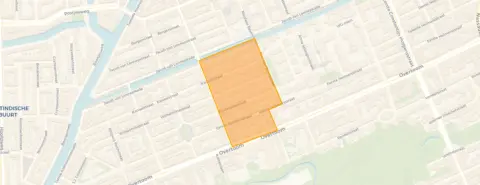 Area
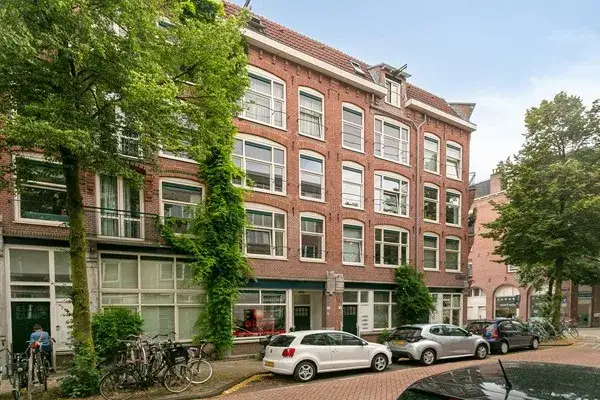
AreaA classic Amsterdam apartment on Kanaalstraat
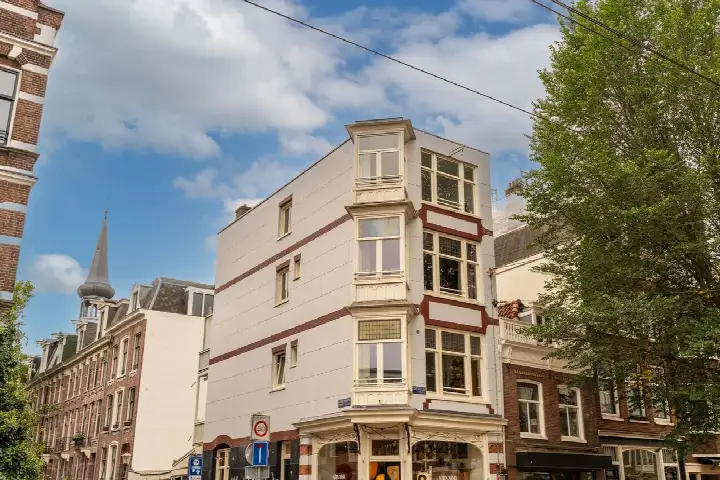
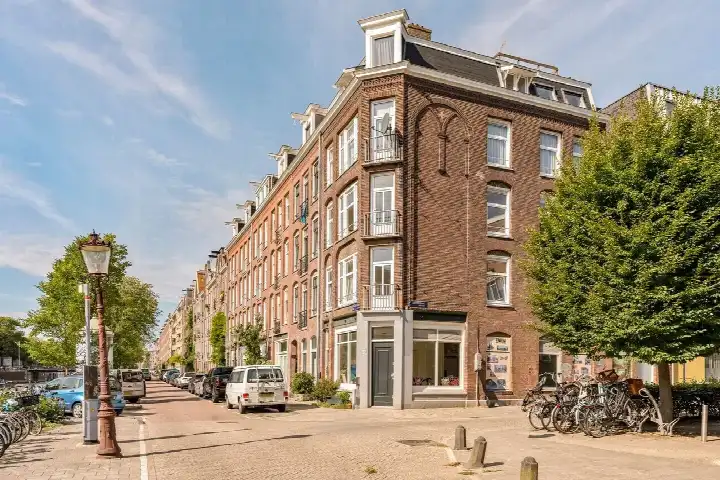
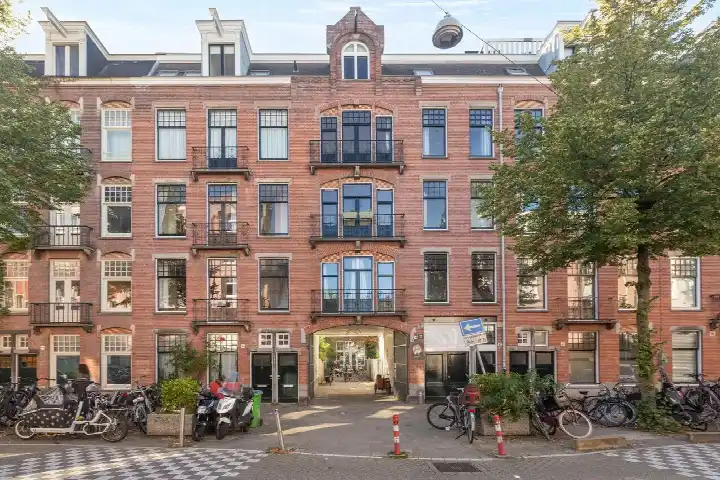
This apartment sits in the lively Cremerbuurt-Oost, a corner of Amsterdam where the streets hum with energy. Built in 1901, it is a piece of the city's historic housing stock, and the asking price of €550,000 sits 23% below the neighbourhood average of €718,000. That puts it on the low side for the area, especially when you consider the apartments in Amsterdam market as a whole.
Inside the home
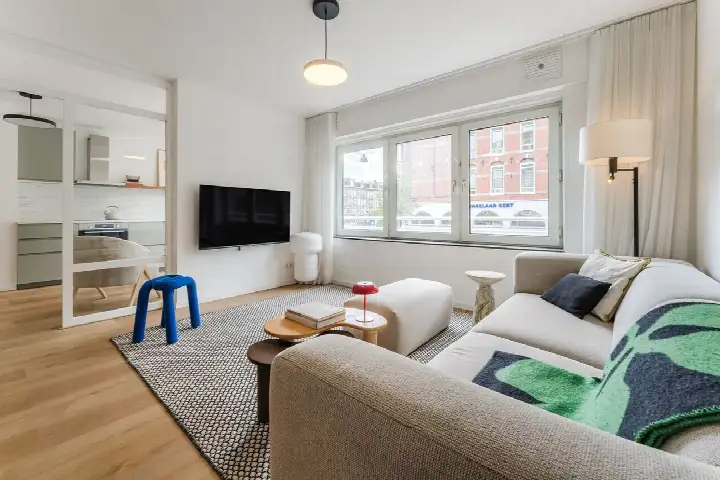
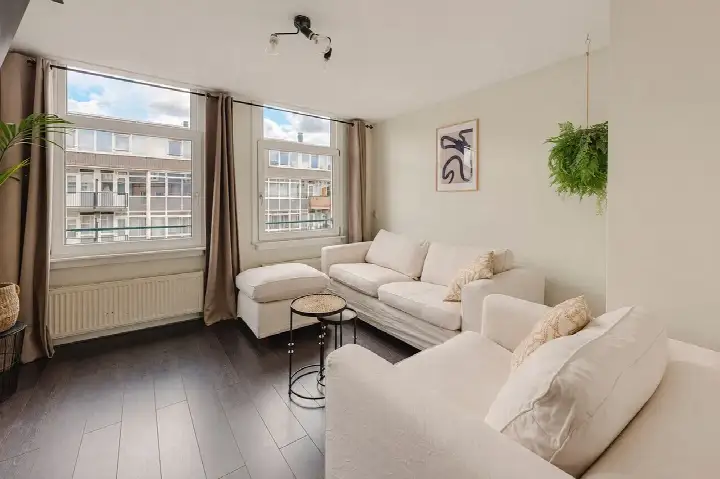
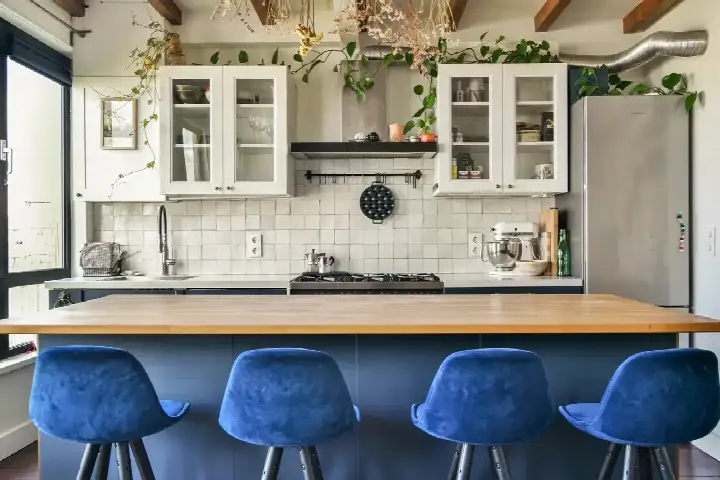
The apartment spans a single floor on the third storey, with three rooms in total, including one bedroom. The agent lists the living area at 56 m², while the BAG registration records 53 m². The energy label is C, which means moderate energy costs can be expected.
Life in Cremerbuurt-Oost
Residents of the wider district give their surroundings an average score of 7.28, based on four reviews. One resident describes it as a pleasant, beautiful neighbourhood with lots to see and do, noting the cultural visits to museums and parks, and the cosiness of shops, cafés and restaurants. Another appreciates the many supermarkets and the excellent public transport, though a third finds it too busy, mentioning dirt and exhaust fumes. The district is very strongly urban, with a high address density, and most households are single-person. For a closer look at the area, the Cremerbuurt-Oost neighbourhood page has more detail.
Amenities and transport
An Albert Heijn supermarket is on your doorstep, with another just around the corner. A SPAR is a couple of streets away. For primary education, Kindcentrum De Kinkerbuurt is a five-minute walk, and Basisschool Het Winterkoninkje is just beyond that. The GP practice SAG Gezondheidscentrum Helmersstraat is a couple of streets away, and the Service Staring Apotheek is just around the corner. Tram line 1 stops at Jan Pieter Heijestraat, a couple of streets away, and the Nicolaas Beetsstraat stop offers lines 1, 7, 17 and N83. Amsterdam Lelylaan station is a ten-minute walk. All of this sits within the municipality of Amsterdam.
WOZ value and address data
The WOZ value on 1 January 2025 is €592,000, and the asking price sits 7% below that figure. Between 2020 and 2025 the WOZ rose by 40%, from €423,000 to €592,000. At the address level, road traffic noise is measured at 49 dB Lden, above the norm, while rail and air traffic noise stay below their norms. The foundation risk indication is medium, and the climate data shows medium pluvial flooding risk and medium heat stress currently, with elevated heat stress projected for 2050. These are area-level indications from public data, not an inspection of this specific home.
Source
At the time of writing the home is offered via two channels, both through Zuiver Makelaars.
This summary was generated with AI and may contain errors. Always verify the details with the provider.
Features
Details of this home
Transfer
Price
Energy
 Save up to € 400 on your energy billCompare now
Areas and volume
 Insure your home and belongingsGet insured
Layout
Construction
The WOZ value is set annually by the municipality with 1 January as its reference date, and therefore lags the market by about a year. It is an estimated market value, not a sale price.
Frequently asked questions
About Kanaalstraat 51-2, Amsterdam
How does the asking price compare to the WOZ value?
The asking price of €550,000 is 7% below the WOZ value of €592,000, which was set on 1 January 2025. The WOZ is the municipal valuation for tax purposes, not the current market value. The price also sits 23% below the average asking price in the neighbourhood, which is €718,000.
What is the layout of this apartment?
The apartment has three rooms, including one bedroom, all on a single floor on the third storey. The agent lists the living area at 56 m², while the BAG registration records 53 m². The volume is 189 m³. It was built in 1901.
What is the energy label and what does it mean?
The energy label is C. This is a mid-range label, so you can expect moderate energy costs for heating and electricity. The label reflects the official registration and does not say anything about the condition of the building itself, which dates from 1901.
What is the foundation risk for this address?
The foundation risk indication for this address is medium. This is an area-level indication based on public data, not an inspection of this specific home. The building was constructed before 1970, and the entire postcode area falls within a KCAF attention zone for pre-1970 construction.
What are the noise levels around this address?
Road traffic noise at this address is measured at 49 dB Lden, which is above the Dutch noise norm. Rail traffic noise is 30 dB Lden and air traffic noise is 48 dB Lden, both below their respective norms. These figures come from public data for the year 2022 and 2023.
What supermarkets are nearby?
An Albert Heijn is just 88 metres away, on your doorstep. Another Albert Heijn is at 345 metres, and a SPAR is at 389 metres. In total there are 155 supermarkets within five kilometres, so daily groceries are never far away.
Which schools are close to this apartment?
Kindcentrum De Kinkerbuurt, a primary school, is 286 metres away. Basisschool Het Winterkoninkje 2e Montessori-School is at 345 metres, and Brede School Annie M.G. Schmidt is at 389 metres. For secondary education, Huygens College is 610 metres away.
What public transport options are available?
Tram line 1 stops at Jan Pieter Heijestraat, 243 metres away. The Nicolaas Beetsstraat stop, at 333 metres, offers tram lines 1, 7 and 17 plus night bus N83. Amsterdam Lelylaan train station is 2.2 kilometres away.
How do residents rate this area?
Residents of the wider district give an average score of 7.28 out of 10, based on four reviews. One resident praises the many museums, parks, shops and cafés, while another notes the excellent public transport. A third resident finds the area too busy and noisy. These reviews describe the district, not this specific neighbourhood.
What is the neighbourhood like demographically?
The neighbourhood has 2,290 residents, with 59% living in single-person households. Only 15% of households have children. The area is very strongly urban, with an address density of 10,546 per square kilometre. The average household size is 1.6 people.