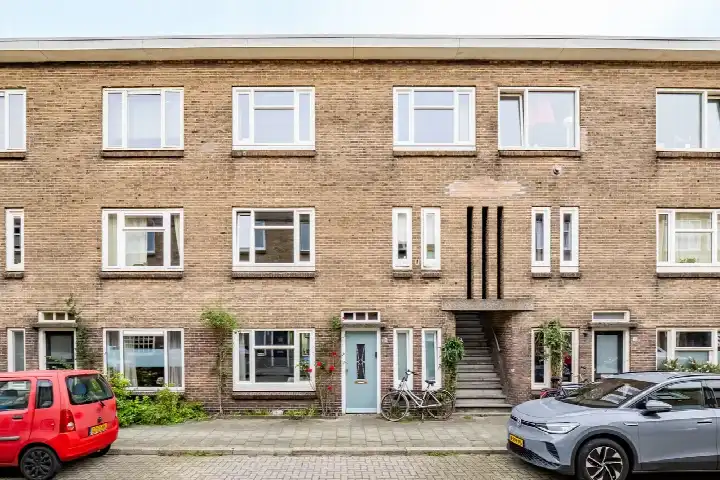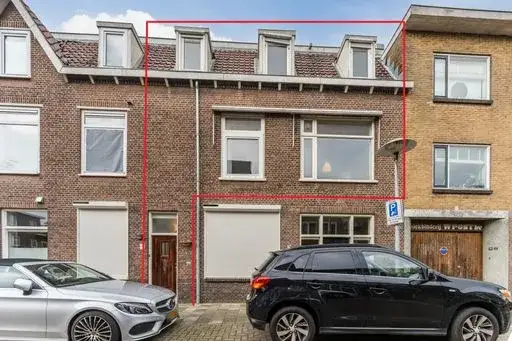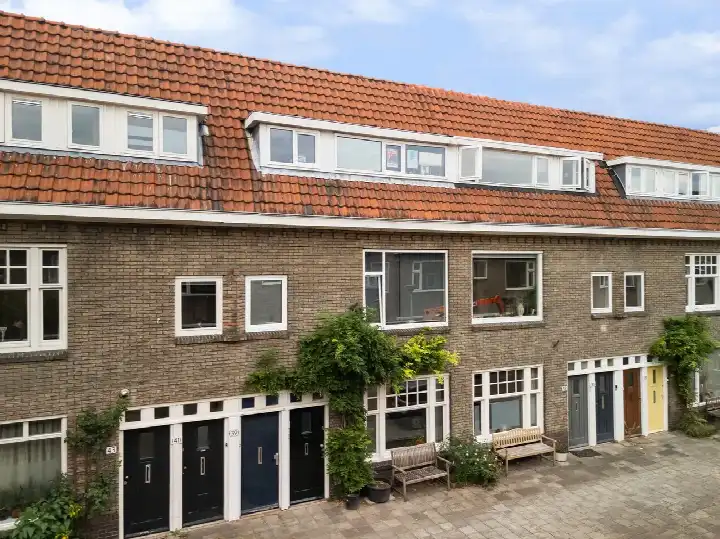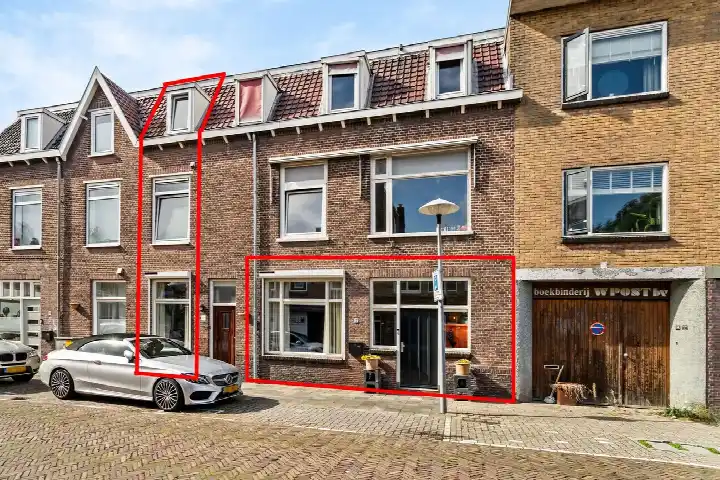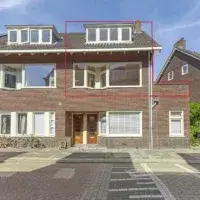





A third-floor apartment in Halve Maan-Noord
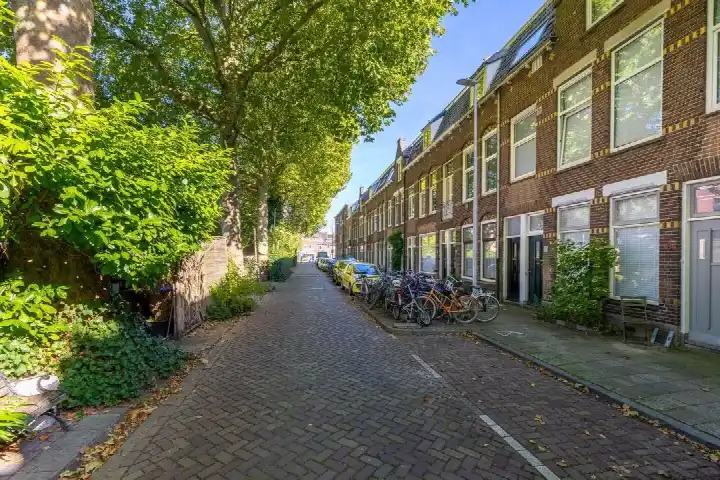
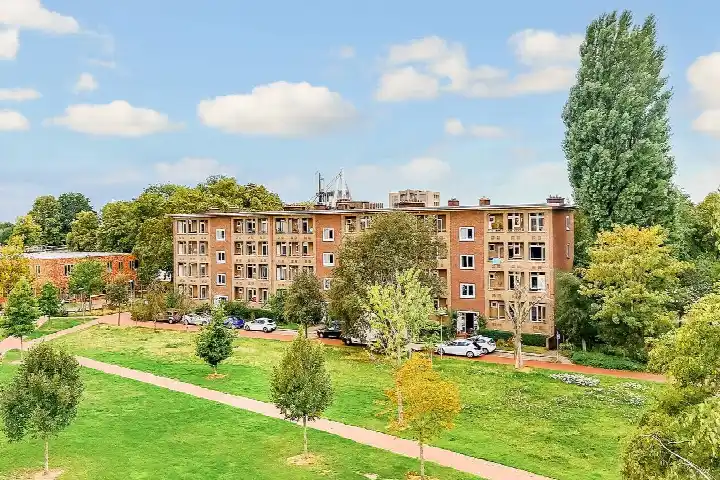
This apartment sits in Halve Maan-Noord, a part of Utrecht's West district where the streets are lined with post-war housing. The area has a distinctly urban feel, with a high address density and plenty of everyday life happening around you. The asking price of €450,000 is on the high side compared with the average sale price in the neighbourhood, which came to €522,333 for the six homes sold there recently. For context, apartments in Utrecht typically command a premium given the city's popularity.
Inside the home
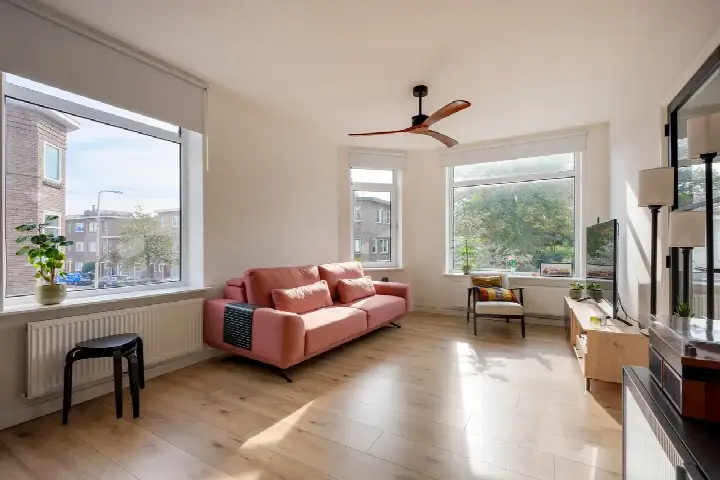
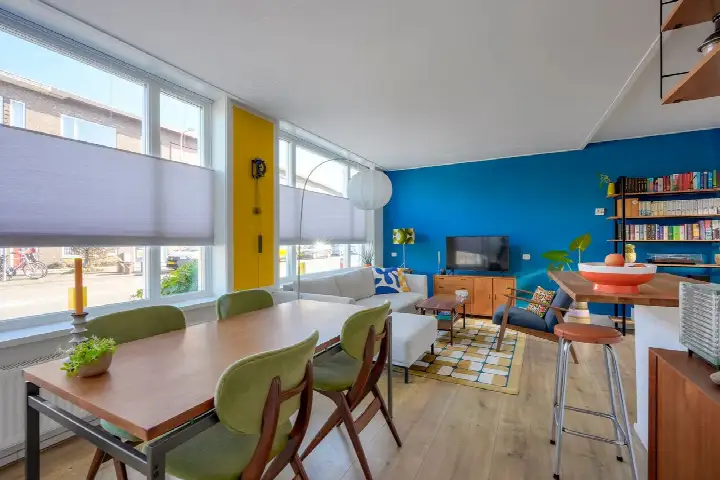
Built in 1957, this apartment spans a single floor on the third storey and covers 79 square metres according to both the BAG registration and the agent's listing. The layout includes four rooms, two bedrooms and one bathroom, with a total volume of 220 cubic metres. There is a balcony, and the home comes with roof insulation, double glazing and floor insulation, plus a central heating boiler. It is offered as full ownership, with a monthly homeowners' association fee of €203. The energy label is C.
Life in Halve Maan-Noord
Residents here give the neighbourhood an average score of 6.46, based on three reviews. One resident describes it as a reasonably quiet neighbourhood, though they note there is absolutely no social contact. Another says they quite like it there, while a third mentions the area can feel restless, with rubbish on the street and fireworks going off at night in November. The neighbourhood has around 1,865 inhabitants, and about half of households are single-person. For more detail, have a look at the Halve Maan-Noord neighbourhood.
Amenities and transport
Daily errands are easy from here. The 2e Marnixschool is just around the corner, and a couple of streets away you will find the Albert Heijn and Aldi supermarkets. The nearest GP is Gezondheidscentrum Lombok, Huisartsen, a ten-minute walk, with Apotheek Oog in Al pharmacy slightly closer. Bus stop Utrecht, Racinelaan is on your doorstep with line 5, and Utrecht Zuilen train station is a ten-minute walk. The wider municipality of Utrecht offers extensive facilities within easy reach.
WOZ and address data
No WOZ value is available for this property. The address-level risk data indicates road traffic noise at 64 dB Lden, which is above the noise standard, while railway and aircraft noise remain below their respective norms. The foundation risk indication is elevated, based on the home being built in 1957 on clay soil, with a note that 1% of properties in this area have an elevated risk of pile rot. These are area-level indications, not an inspection of this specific home. Pluvial flooding risk is low, as is current flood risk, though heat stress is expected to become medium by 2050.
Source and agent
At the time of writing, the home is offered via multiple channels, including Punt Makelaars Utrecht and their listing on Funda.
This summary was generated with AI and may contain errors. Always verify the details with the provider.
Features
Details of this home
Transfer
Price
Energy
 Save up to € 400 on your energy billCompare now
Areas and volume
Layout
Construction
Outdoor space
The WOZ value is set annually by the municipality with 1 January as its reference date, and therefore lags the market by about a year. It is an estimated market value, not a sale price.
Frequently asked questions
About Lessinglaan 9-3, Utrecht
What is the asking price for this apartment?
The asking price is €450,000. The average sale price for homes sold recently in the neighbourhood was €522,333, based on six sales. The price per square metre comes to €5,696 according to the agent's listing. This puts the asking price on the high side compared with the neighbourhood average.
How many rooms and bedrooms does the apartment have?
The apartment has four rooms in total, including two bedrooms and one bathroom. It spans a single floor on the third storey, with a living area of 79 square metres and a volume of 220 cubic metres. There is also a balcony.
What is the energy label and what does it mean for costs?
The energy label is C. This is a mid-range label, so you can expect moderate energy costs for heating and electricity. The home has roof insulation, double glazing and floor insulation, which helps with keeping the home warm. The exact monthly costs will depend on your usage and energy provider.
What is the homeowners' association fee?
The monthly homeowners' association fee is €203. This fee typically covers shared maintenance, insurance and any collective services for the building.
What is the foundation risk for this property?
The foundation risk indication is elevated, based on area-level data. The home was built in 1957 on clay soil, which may mean wooden piles or a shallow foundation. In this postcode area, 1% of properties have an elevated risk of pile rot according to the Klimaateffectatlas. This is an area-level indication, not an inspection of this specific home.
How noisy is the location?
Road traffic noise is measured at 64 dB Lden, which is above the Dutch noise standard. Railway noise is 43 dB Lden and aircraft noise is 42 dB Lden, both below their respective norms. These figures come from public data at address level and reflect the general area, not the specific soundproofing of this apartment.
What supermarkets and schools are nearby?
The Albert Heijn is a couple of streets away at about 571 metres, with Aldi and Nettorama slightly further at around 604 metres. The 2e Marnixschool is just around the corner at 176 metres, and the Openbare Montessorischool Oog in Al is about 522 metres away. Several other primary schools are within a short walk.
What public transport options are available?
Bus stop Utrecht, Racinelaan is on your doorstep at 87 metres, served by line 5. Utrecht, Majellapark is about 550 metres away with lines 12, 13, 28, 73, N1 and 120. Utrecht Zuilen train station is approximately 1.3 kilometres away, which is about a ten-minute walk.
What do residents say about living in Halve Maan-Noord?
Residents give the neighbourhood an average score of 6.46 based on three reviews. One resident describes it as reasonably quiet but notes there is no social contact. Another says they quite like it there. A third mentions the area can feel restless, with rubbish on the street and fireworks at night in November, and calls for more police presence.
What is the neighbourhood like demographically?
Halve Maan-Noord has around 1,865 inhabitants. About 51% of households are single-person, and 31% are households with children. The largest age group is 25 to 45 years, making up 36% of the population. The area is very strongly urban, with an address density of 3,438 per square kilometre.