




Schubertstraat 84
Diepenbrockbuurt · 1077 GZ Amsterdam

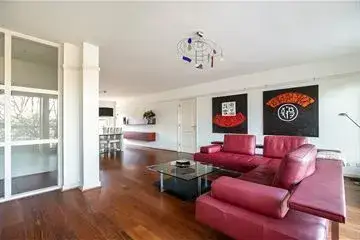
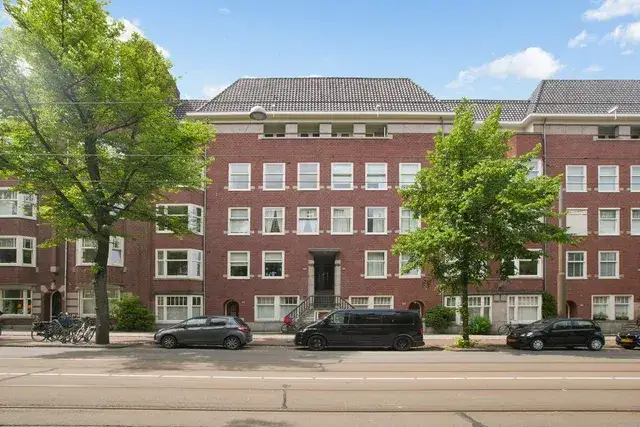
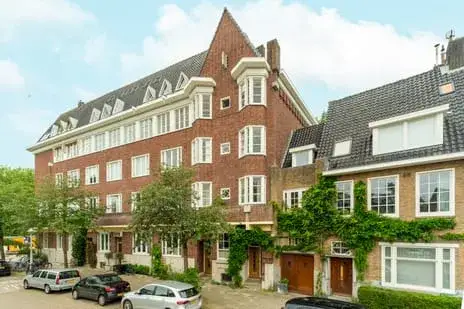
A classic Amsterdam apartment on Schubertstraat
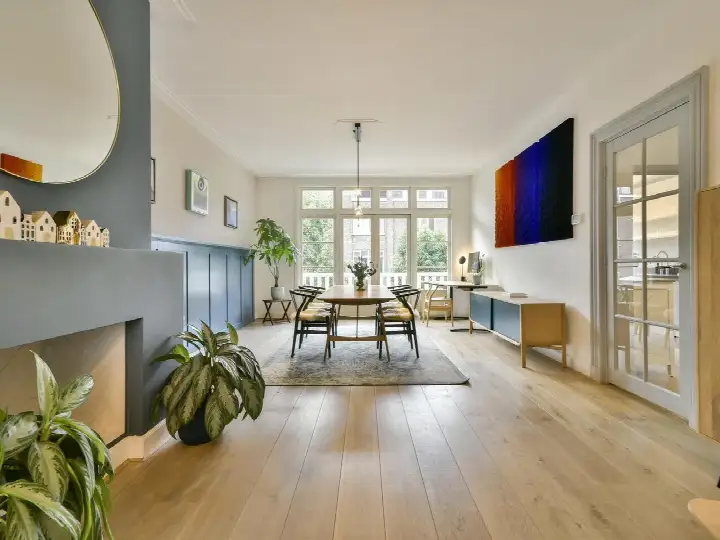
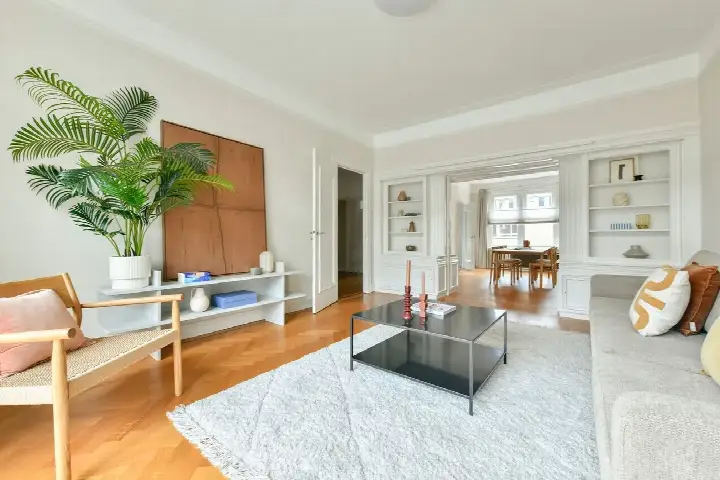
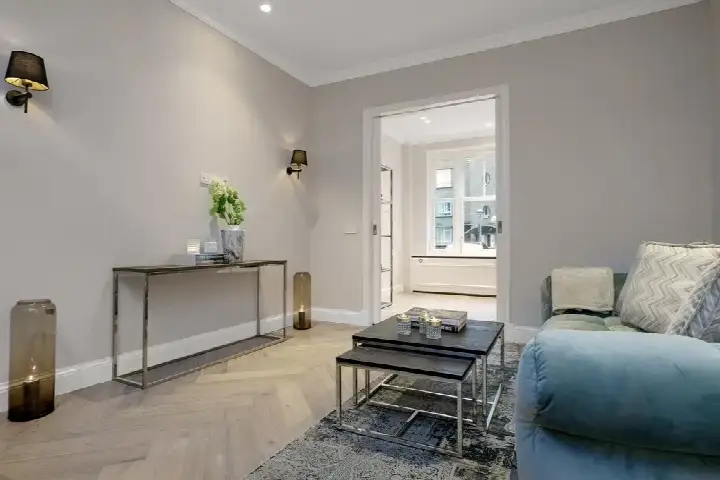
This apartment on Schubertstraat sits in the leafy Diepenbrockbuurt, a quiet pocket of the Apollobuurt. Built in 1931, it spans 165 m² and carried an energy label G, meaning heating costs would be significant. At €1,095,000, the asking price was 80% below the neighbourhood average of €5.4 million, which was keen given the smaller-than-average floor area. For context, this was one of the apartments in Amsterdam at the time on the market. This home has not been online since 2 September 2026.
The Diepenbrockbuurt neighbourhood
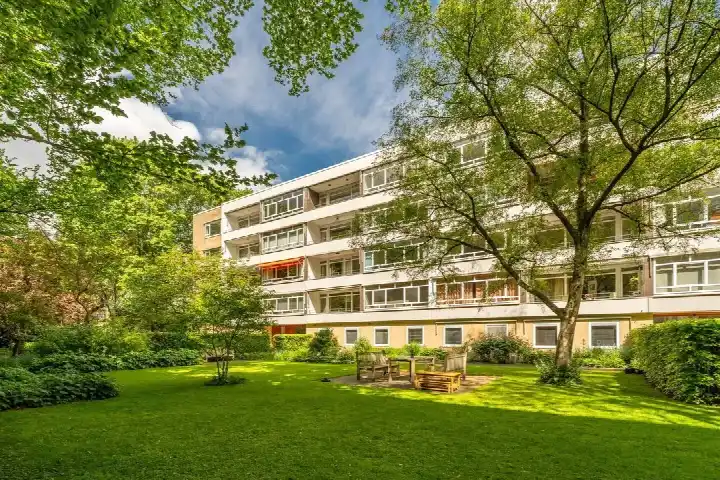
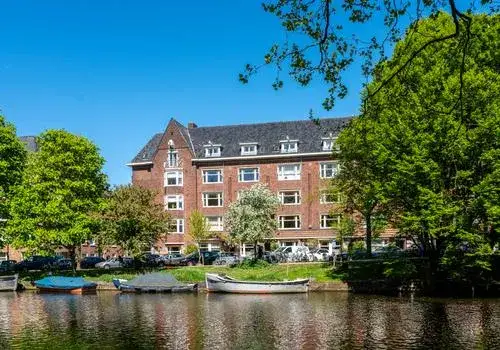
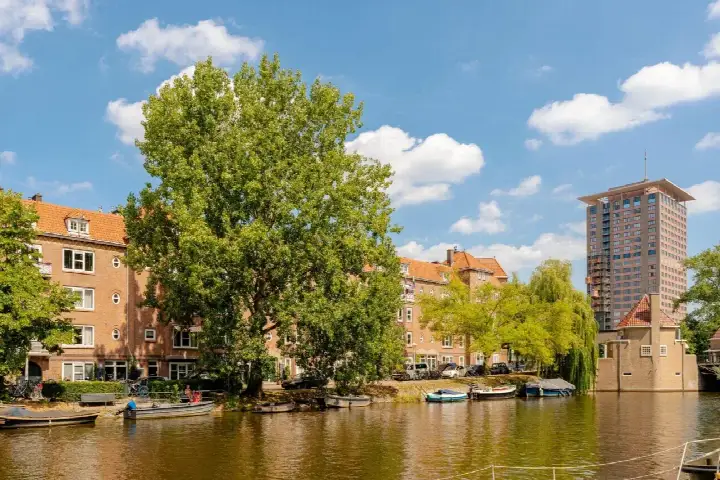
Diepenbrockbuurt is a green, residential enclave with quiet streets and a village-like feel. Based on one review, a resident describes it as "a nice, green neighbourhood with plenty of space and quiet streets." The area is home to 790 people, with a mix of families and older residents. Most homes are owner-occupied (68%) and many are pre-war. The neighbourhood is part of the Diepenbrockbuurt neighbourhood, known for its spacious layout and proximity to parks.
Life on the street
Your daily routine here is easy: Albert Heijn is just around the corner for groceries, and Ekoplaza is a ten-minute walk for organic produce. For school runs, HLZ secondary school is a couple of streets away, and the Eerste Openluchtschool primary school is a five-minute walk. The Amstelpark is on your doorstep for a weekend stroll. The area falls under the municipality of Amsterdam, which provides excellent amenities.
Source
When this home was still on the market, it was listed through several channels, including BrinkBorgh Makelaardij.
This summary was generated with AI and may contain errors. Always verify the details with the provider.
Features
Details of this home
Transfer
Price
Energy
 Save up to € 400 on your energy billCompare now
Areas and volume
 Insure your home and belongingsGet insured
Layout
Construction
Outdoor space
Frequently asked questions
About Schubertstraat 84, Amsterdam
Was €1,095,000 a fair price for this apartment?
The asking price of €1,095,000 was 80% below the neighbourhood average of €5.4 million, but the apartment was also 45% smaller than the average home in Diepenbrockbuurt (165 m² vs 300 m²). Given the smaller size and energy label G, the price was in line with the market for a pre-war apartment in this sought-after area.
What did energy label G mean for running costs?
Energy label G is the least efficient rating, so you can expect high heating and electricity bills. The apartment was built in 1931 and likely lacks modern insulation. In the neighbourhood, about 33% of homes have a label D or lower, so this is not unusual for the area, but budget accordingly.
How far is the nearest train station?
The nearest train station is 1.3 km away, which is about a 15-minute walk. This gives you direct access to the city centre and other parts of Amsterdam.
What are the nearby schools like?
There are several schools within walking distance. HLZ secondary school is 328 m away, St. Nicolaaslyceum is 357 m, and the Eerste Openluchtschool primary school is 392 m. All are well-regarded and easily reachable on foot.
How green is the neighbourhood?
Diepenbrockbuurt is very green, with the Amstelpark just 300 m away. Residents appreciate the quiet streets and plenty of space. The neighbourhood has a high address density (5,540 per km²) but still feels spacious due to the many trees and parks.
What is the typical buyer profile in this area?
The neighbourhood has a mix of families (38% of households have children) and older residents. The average household size is 2.4, and most homes are owner-occupied. It's popular among professionals who value a quiet, green environment close to the city.
How long do homes typically stay on the market here?
In the past period, sold homes in Diepenbrockbuurt took an average of 28 days to sell. This suggests a relatively active market, but not excessively fast.