




Victorieplein 45-3
Scheldebuurt-Oost, Amsterdam
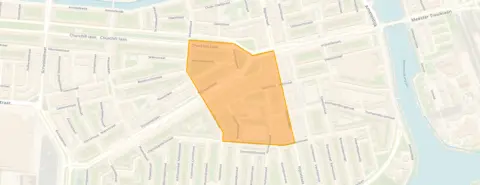 Area
AreaA classic Amsterdam apartment on Victorieplein
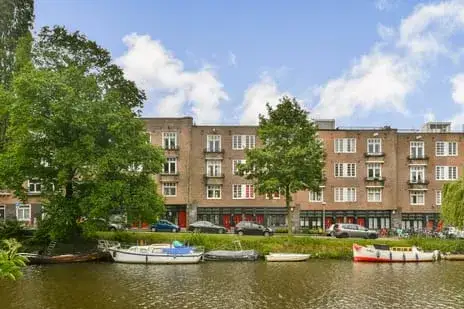
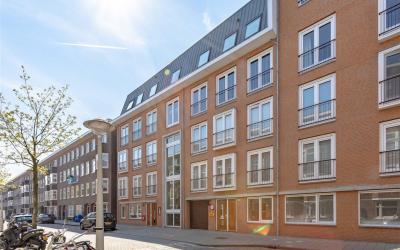
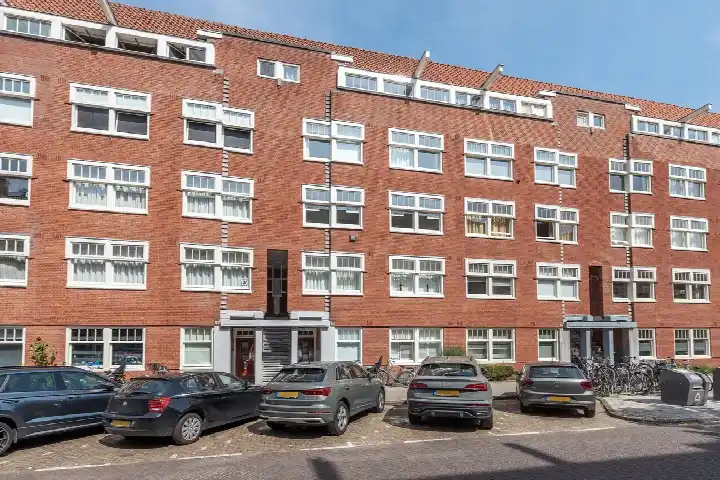
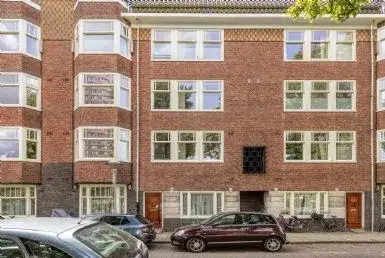
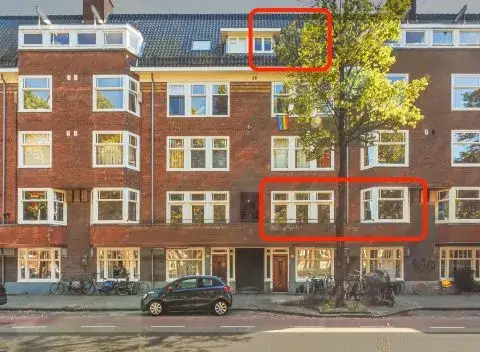
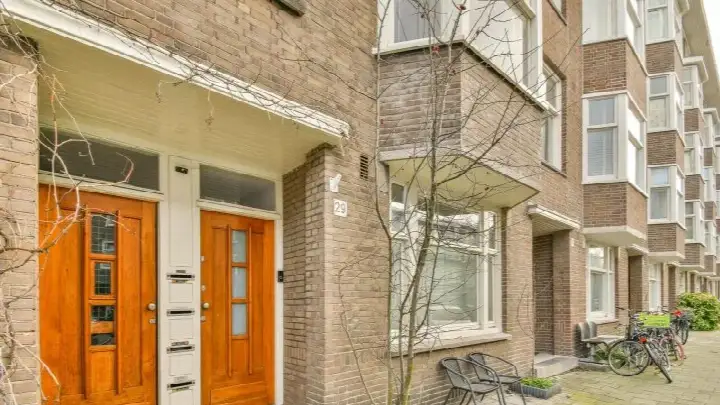
This apartment sits on the Victorieplein in the Scheldebuurt-Oost neighbourhood, a part of Amsterdam that residents describe as a cosy little village in the middle of the city. The listing does not state the energy label, so that information is missing. Built in 1932, the home is part of the pre-war architecture that defines this area. With a price of €950,000, the asking price sits 24% above the average asking price of €763,765 for apartments in Amsterdam, which puts it on the high side.
The home itself
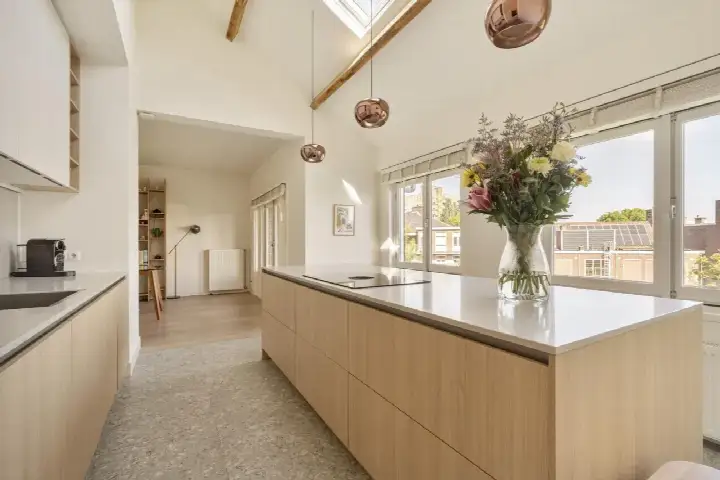
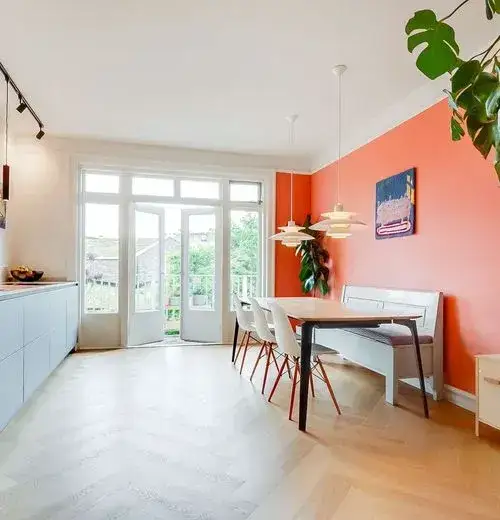
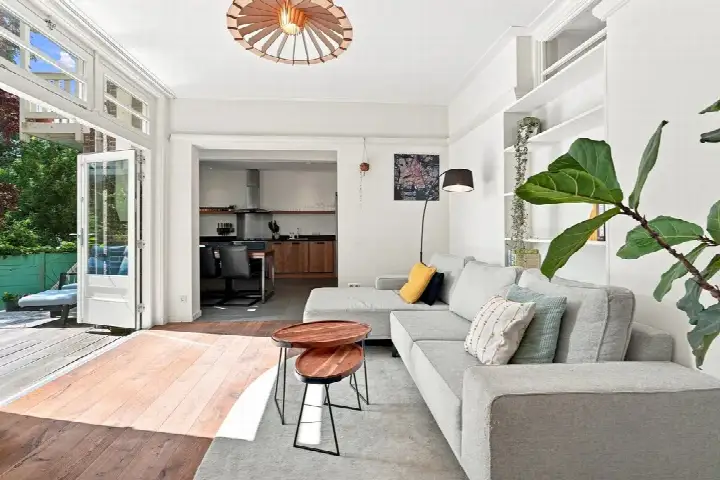
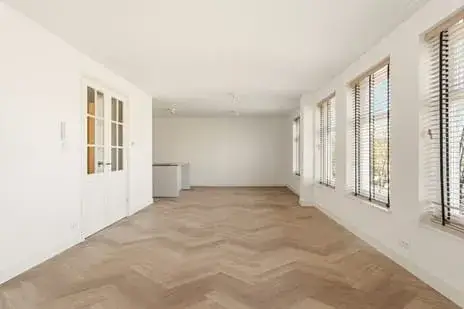
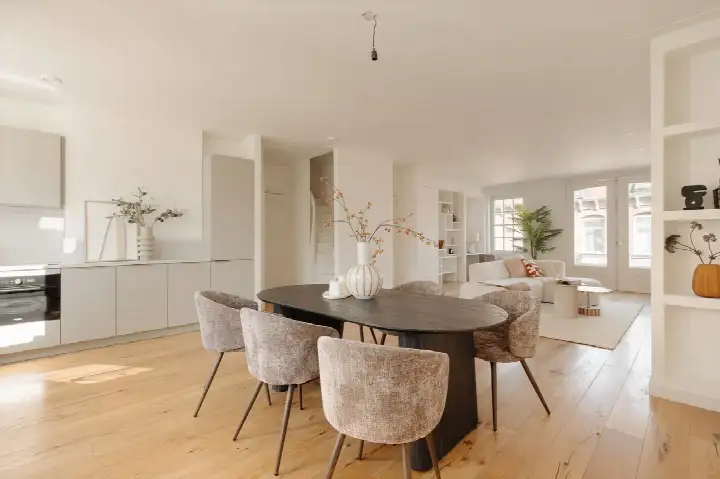
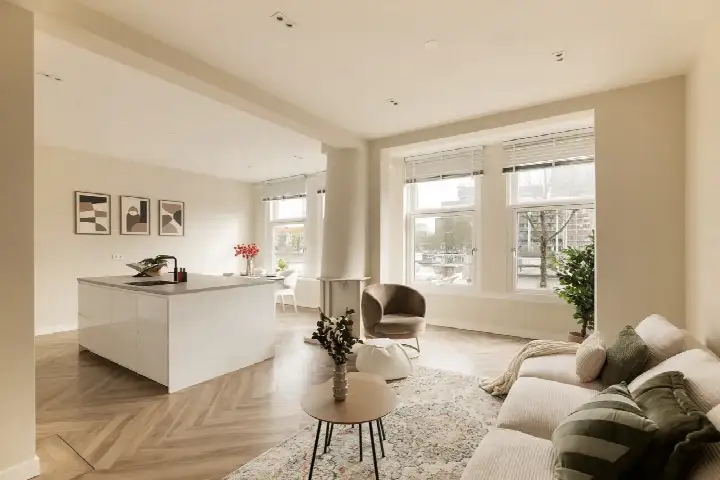
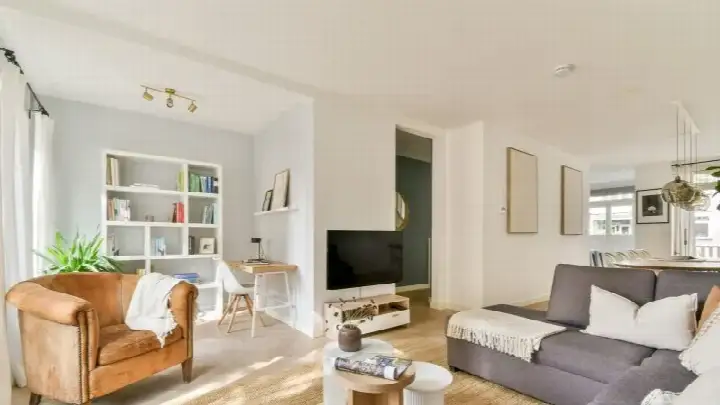
The apartment offers a living area of 125 m² according to the BAG registration. The agent has not published further details about the layout, such as the number of bedrooms or bathrooms, so these are not known. The year of construction is 1932, a fact that tells you about the age of the building without saying anything about its condition.
Life in Scheldebuurt-Oost
Residents of the district give it an average score of 8.29, based on three reviews. One resident says: "It is a cosy little village, most people know each other and care about one another." Another mentions: "Feels like a village in the city. Close to various schools, Beatrixpark and the centre." The same resident notes the busy traffic on the Scheldestraat as a downside. The neighbourhood has 2,430 inhabitants, with a mix of ages and household types. For more context, you can read about the Scheldebuurt-Oost neighbourhood.
Amenities and transport
Daily errands are easy from here. The Albert Heijn is just around the corner, with a Vomar a couple of streets away. Primary schools like Daltonbasisschool De Rivieren and IBS Elif Amsterdam are on your doorstep, and the Berlage Lyceum for secondary education is a five-minute walk. The Rijn Apotheek is just around the corner, while the nearest GP practice is further out. Tram and bus stops at Waalstraat and Victorieplein are on your doorstep, with lines 4, 12, 23, 62, 245 and N84. Amsterdam Amstel train station is a ten-minute walk. All of this sits within the municipality of Amsterdam.
WOZ and address data
No WOZ value is available for this property, so there is nothing to report on that front. The address-level risk data from public sources gives some indications. The noise level from road traffic is 60 dB Lden, which is above the noise standard, while railway and aircraft noise stay below their standards. The foundation risk indication is medium, which is an area-level indication based on the fact that the building dates from before 1970. Pluvial flooding at heavy rain is indicated as medium, while flood risk is low now and in 2050. Heat stress is medium now and elevated by 2050. These are area-level indications, not an inspection of this specific home.
Source
At the time of writing the home is offered only via Maarten van Vliet Makelaar.
This summary was generated with AI and may contain errors. Always verify the details with the provider.
Features
Details of this home
Transfer
Price

Construction
The WOZ value is set annually by the municipality with 1 January as its reference date, and therefore lags the market by about a year. It is an estimated market value, not a sale price.
Frequently asked questions
About Victorieplein 45-3, Amsterdam
How does the asking price compare to other homes in the neighbourhood?
The asking price of €950,000 is 24% above the average asking price of €763,765 in the Scheldebuurt-Oost neighbourhood. The average price per m² in the neighbourhood is €8,004, while this home is listed at €7,600 per m² based on the BAG living area of 125 m². The neighbourhood has 17 homes for sale, with prices ranging from €425,000 to €1,525,000.
What is known about the layout of this apartment?
The listing does not state the number of rooms, bedrooms or bathrooms. The living area is 125 m² according to the BAG registration. The agent has not published further details about the layout, so the internal arrangement of the home is not known from the listing.
Why is there no energy label in this listing?
The agent has not published this field, so there is no information available about the energy performance of this home. Without the label, it is not possible to say anything about the expected energy costs.
What do residents say about living in this area?
Residents of the district give it an average score of 8.29, based on three reviews. One resident describes it as a cosy little village where most people know each other. Another mentions the quiet streets, the green spaces and the nearby shopping streets, while noting that traffic on the Scheldestraat can be busy and sometimes dangerous.
What are the noise levels like at this address?
The address-level risk data indicates road traffic noise at 60 dB Lden, which is above the noise standard. Railway noise is 38 dB Lden and aircraft noise is 44 dB Lden, both below their respective standards. These are area-level indications from public data sources, not measurements taken at this specific home.
What is the foundation risk for this property?
The foundation risk indication is medium. This is an area-level indication based on the fact that the building was constructed before 1970, and that 100% of the properties in this postcode area were built before that year. It is not an inspection of this specific home, but a general indication for the area.
What shops and schools are nearby?
The Albert Heijn is just around the corner, with a Vomar a couple of streets away. Primary schools including Daltonbasisschool De Rivieren and IBS Elif Amsterdam are on your doorstep, and the Berlage Lyceum for secondary education is a five-minute walk. The Rijn Apotheek is just around the corner.
How is the public transport in this area?
Tram and bus stops at Waalstraat and Victorieplein are on your doorstep, serving lines 4, 12, 23, 62, 245 and N84. Amsterdam Amstel train station is a ten-minute walk away. The neighbourhood is very strongly urban with a high address density of 8,278 per km².
What is the flood risk for this area?
The area-level risk data indicates that pluvial flooding at heavy rain is medium. Flood risk from surrounding waters is low now and remains low in 2050. Heat stress is indicated as medium now and elevated by 2050. These are area-level indications from the Klimaateffectatlas, not an assessment of this specific property.