Homes for sale in Waterkwartier, Zutphen
Looking for a home to buy in Waterkwartier? Check the current listings, average asking price and time to sell at the top of this page.
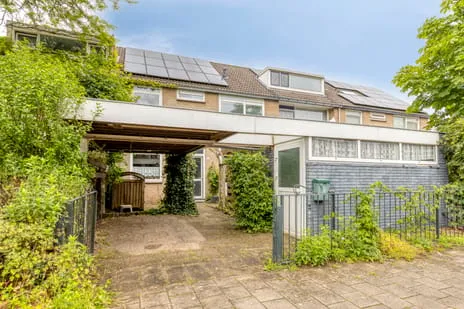
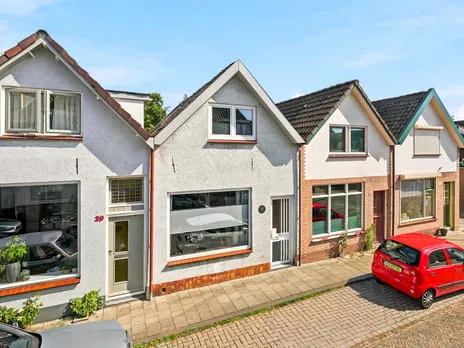

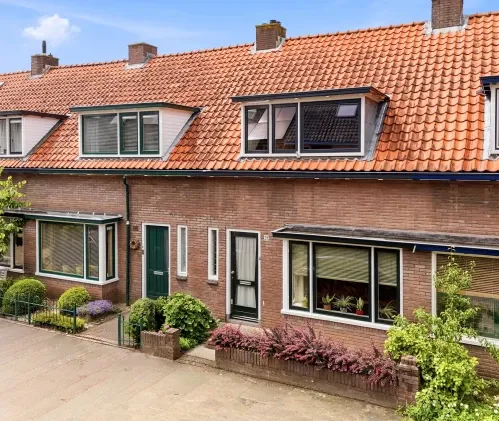
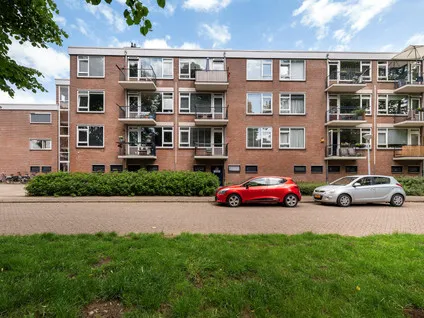
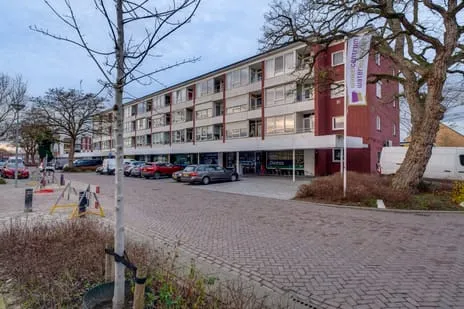
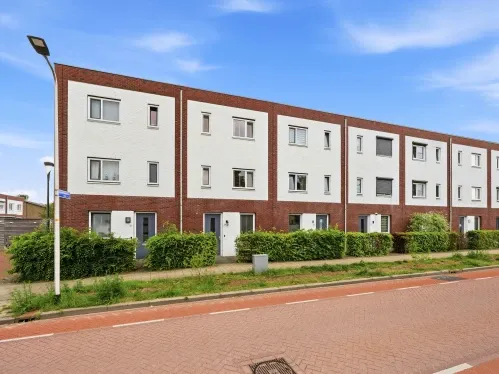
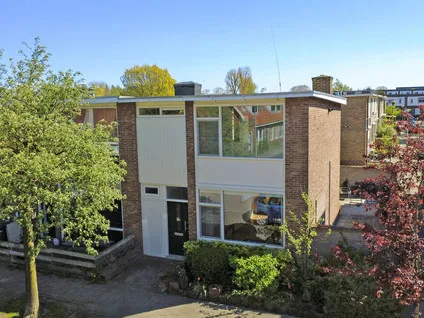
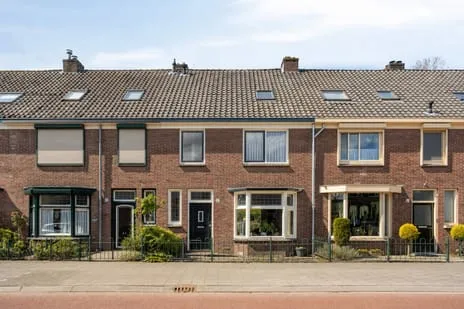
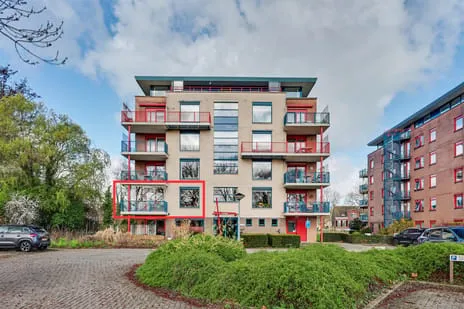
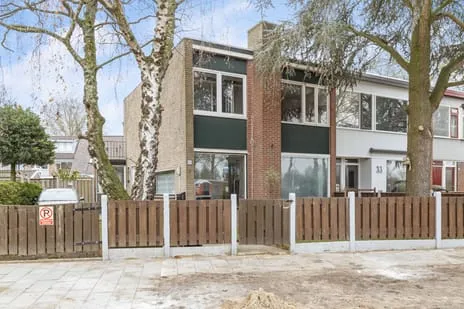
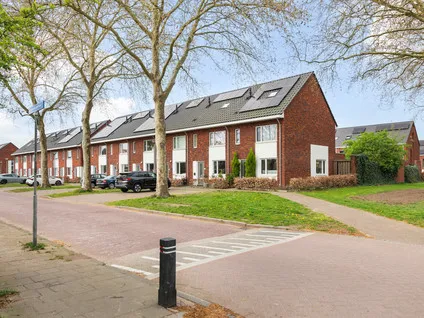
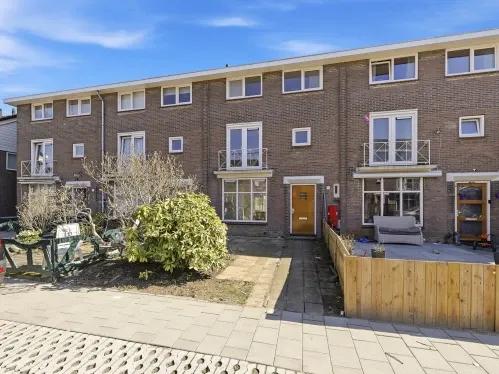
Purchase prices in Waterkwartier: affordable entry, but well below the municipal average
Waterkwartier is a neighbourhood where renting is the norm: 63% of the housing stock consists of rental properties, the majority of which are owned by housing associations. Only 37% of the more than 5,100 homes are owner-occupied. This makes the supply of owner-occupied homes in Waterkwartier relatively scarce, but prices are notably lower than elsewhere in Zutphen. The average WOZ value is €245,000, while the municipal average is €311,000. The average realised purchase price over the past year was €381,654, with a range of €165,000 to €1,175,000, indicating that both modest apartments and larger owner-occupied homes change hands. The current supply, average asking price and time on market can be found at the top of this page.
Waterkwartier from the inside: a working-class neighbourhood with strong social cohesion
Waterkwartier is not a neighbourhood that stands out for architectural features or trendy eateries, but for something harder to measure: the involvement of residents with each other. On Buurtje.nl, the neighbourhood scores 7.2 out of 10, with notably high sub-scores for community (7.7) and green space (8.3). Resident Jacqueline sums it up succinctly: "A true working-class neighbourhood, people are there for each other when something happens." This image recurs in several reviews. Read all experiences and neighbourhood data on the Waterkwartier neighbourhood page.
Facilities are functional, not extensive. Daily shopping can be done locally, with supermarkets accessible along the Warnsveldseweg and in surrounding areas. For a wider range of shops, the centre of Zutphen is within cycling distance. Schools score well: the sub-score for education is 7.8. Resident Sophia does add a caveat: there are few specific facilities for children and only one nature area in the immediate vicinity. The green space score of 8.3 suggests that residents appreciate the existing green strips and parks, although the offering is limited. The neighbourhood borders the IJssel river, which is a clear plus for cyclists and walkers. The sub-neighbourhood Vijver en omgeving, for example, offers more green space and a quieter character, while the Staatsliedenbuurt has a slightly more urban streetscape.
Accessibility scores 7.3. Zutphen station is about a ten-minute cycle from most parts of the neighbourhood and offers direct connections to Apeldoorn, Arnhem and Deventer. By car, the N348 provides quick access to the A1 towards Amsterdam and Almelo. Bus services run through the neighbourhood, although not all corners of Waterkwartier are equally well served. The safety score is 7.6, which is a solid result for a densely built urban neighbourhood. The cleanliness score (5.6) is the lowest sub-score, and that is honest: some streets and squares look worn, and residents mention litter around apartment blocks as a recurring point of annoyance.
For whom is buying in Waterkwartier a sensible choice?
Living in Waterkwartier as an owner is particularly attractive for first-time buyers purchasing an apartment in Waterkwartier as a first step on the property ladder, and for buyers who consciously choose a social, mixed neighbourhood with a low entry price relative to the Zutphen average. The low WOZ value also means lower municipal charges. Bear in mind additional costs: transfer tax (2% for homes above the starter exemption), notary fees and any structural survey. Is buying not the right move now? Then take a look at the supply of rental properties in Waterkwartier as an alternative.
Searching for owner-occupied homes in Waterkwartier and surrounding neighbourhoods
Buurtje.nl combines current housing supply with resident reviews and neighbourhood statistics, so you not only search for a home but also get to know the area. Compare Waterkwartier with nearby neighbourhoods such as Centrum - De Hoven, Noordveen or Leesten, or view the full overview of owner-occupied homes in Zutphen. More information about the municipality can also be found on the website of the municipality of Zutphen.
Frequently asked questions
What is the average cost of a home in Waterkwartier?
The average realised purchase price in Waterkwartier over the past year was €381,654, based on 94 sold homes. The range runs from €165,000 to €1,175,000, indicating that both affordable apartments and larger homes are available. The average WOZ value in the neighbourhood is €245,000, clearly lower than the Zutphen average of €311,000.
What are the additional costs when buying a home in Waterkwartier?
When buying a home in Waterkwartier, in addition to the purchase price, you pay transfer tax (2% for buyers who do not qualify for the starter exemption), notary costs for the deed of transfer and mortgage deed, and possible costs for a structural survey. On average, expect 4 to 6 percent of the purchase price in additional costs. A mortgage advisor can help you determine your maximum budget.
What types of homes can you buy in Waterkwartier?
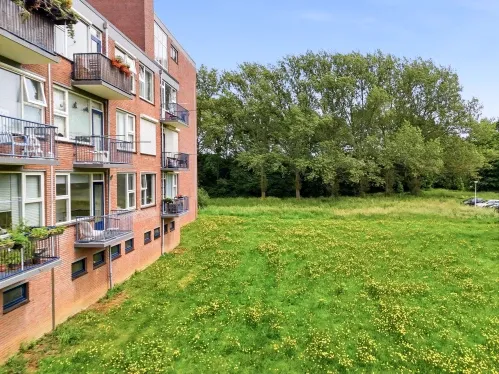
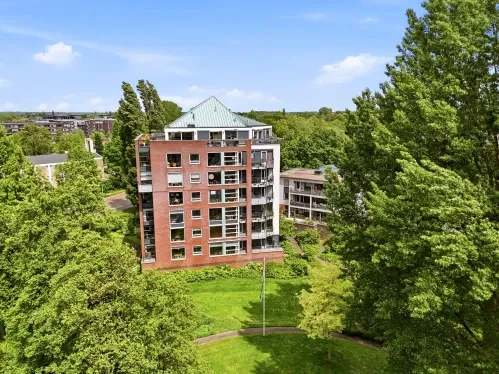
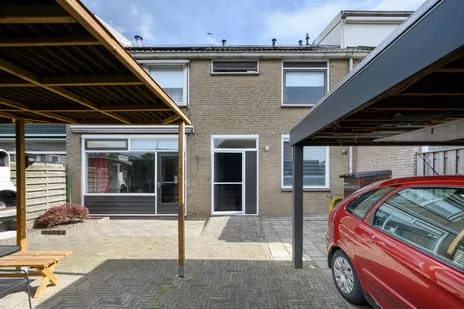
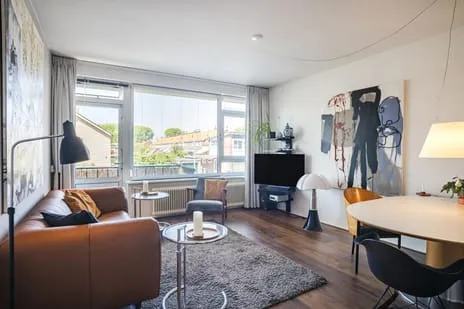
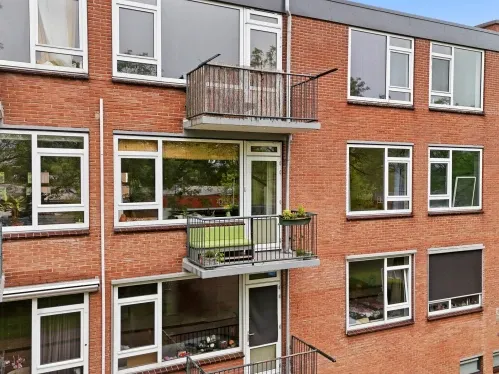
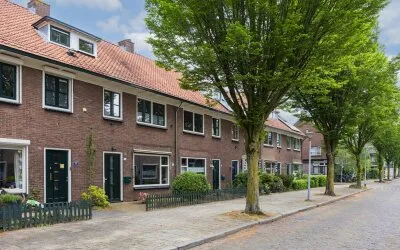
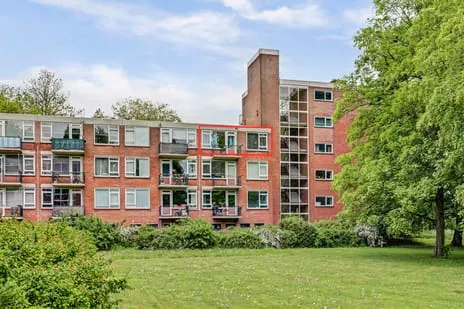
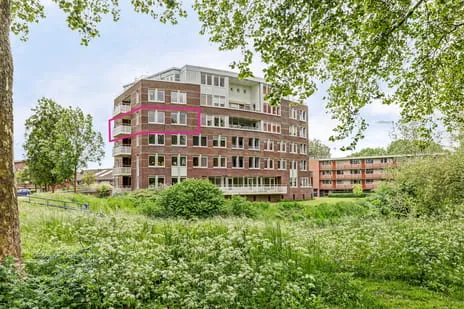
Waterkwartier largely consists of multi-family homes and apartments, fitting the character of an urban neighbourhood with many rental properties. However, there are also single-family homes and even larger owner-occupied houses, as the wide price range shows. The average sold home has an area of 114 square metres. If you want to buy an apartment in Waterkwartier, entry-level prices are relatively low compared to other Zutphen neighbourhoods.
How accessible is Waterkwartier for commuters?
Zutphen station is about a ten-minute bike ride from Waterkwartier and offers direct train connections to Apeldoorn, Arnhem and Deventer. By car, you can quickly connect to the A1 via the N348, making the Randstad and Twente easily reachable. Residents give accessibility a 7.3 on the resident score, which is a solid rating for an urban neighbourhood.
Is Waterkwartier a suitable neighbourhood to buy a home as a starter?
Yes, Waterkwartier is certainly worth considering for starters. The WOZ value and entry-level prices are lower than the Zutphen average, and the neighbourhood has strong social cohesion that many residents appreciate. Keep in mind that the supply of owner-occupied homes is limited: only 37% of the housing stock is owner-occupied. Buying a home in Waterkwartier therefore requires quick action when something becomes available. As an alternative, you could also look at rental properties in the neighbourhood.
My neighbourhood is always very friendly, except for a few. However, there are only a few facilities for children. There are plenty of shops in the area, but elsewhere there is very little to do. There is only one small nature area nearby, and I find that a shame because I always enjoy a nice walk in the neighbourhood. I hope more green spaces can be added to the district. I also notice that since the hedges in the back gardens have disappeared and been replaced with fences, fewer and fewer birds are flying through the neighbourhood. I find that a shame too.
Auto-translated to English by AIIn our apartment, everyone is there for each other; it's a cosy neighbourhood.
Auto-translated to English by AII live in an apartment where everyone is social, if something is wrong everyone is there for each other. I enjoy living here very much.
Auto-translated to English by AILovely people, shops nearby.
Auto-translated to English by AIPleasantly few shops, but poor roads
Auto-translated to English by AIA real working-class neighbourhood. People are there for each other when something happens. Too bad there are too few rubbish bins near, for example, apartment buildings. There are cigarette butts everywhere.
Auto-translated to English by AIIn my neighbourhood, people are there for you when you need them. If the litter were cleaned up, it would look a lot better.
Auto-translated to English by AITrust and liveable green-rich
Auto-translated to English by AI