




Tweede Jan Steenstraat 34H
Sarphatiparkbuurt · 1073 VP Amsterdam
A classic Amsterdam apartment in the Sarphatiparkbuurt
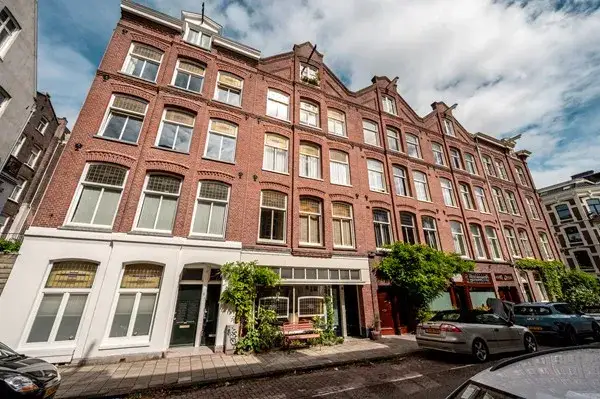
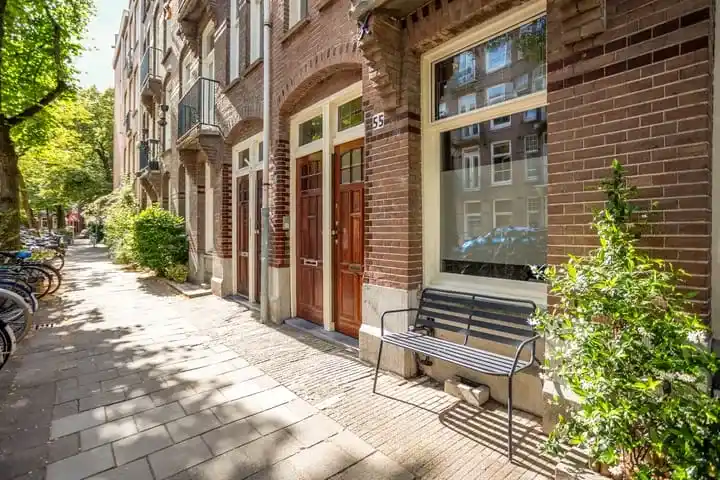
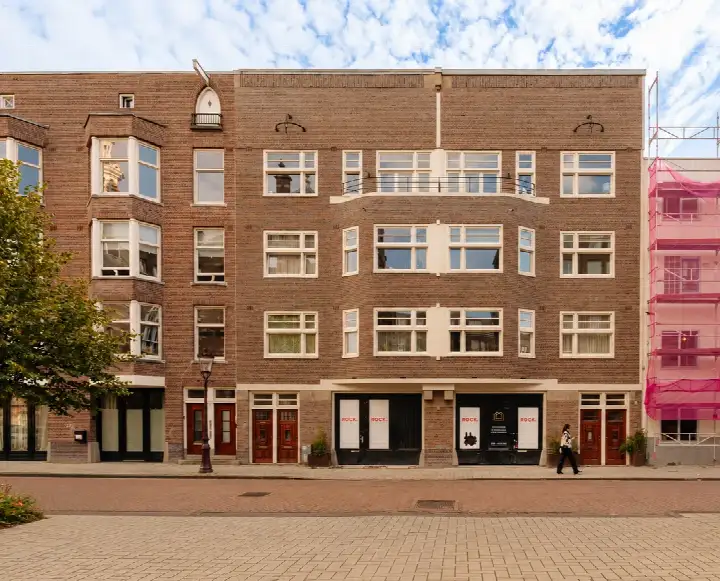
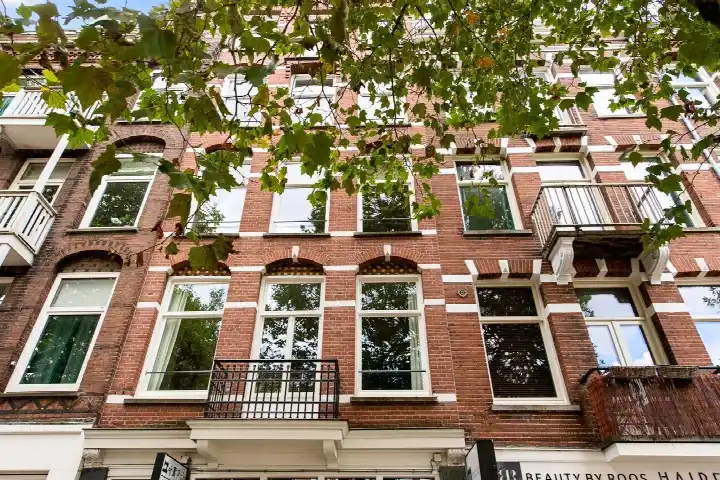
This apartment sits on the Tweede Jan Steenstraat in the Sarphatiparkbuurt, part of the lively Oude Pijp district in Amsterdam. The building dates from 1887, so it carries the classic character of the area. At 52 m² of living space according to the BAG registration, the last known asking price of €875,000 worked out at €16,827 per m², which was on the high side compared with the neighbourhood average of €11,112 per m². For context, [apartments in Amsterdam] were listed across a wide price range. This home has not been online since 15 September 2026.
The home itself
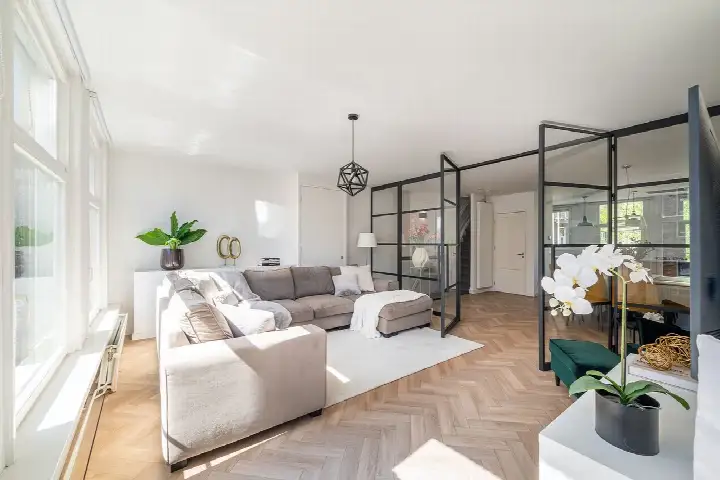
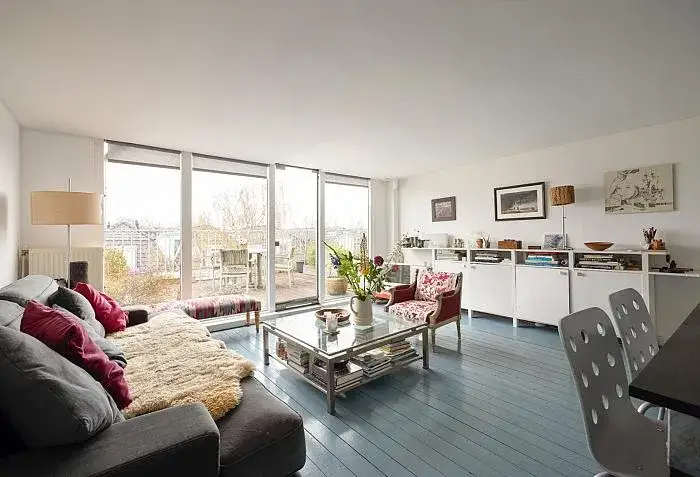
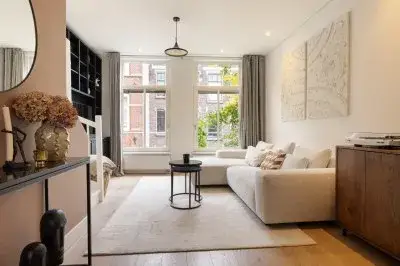
The listing gave no details on the layout, number of rooms, or any outdoor space, so the interior arrangement was not described. What is clear is that the apartment is part of a building from 1887, which is typical for this part of the city.
Life in the Sarphatiparkbuurt
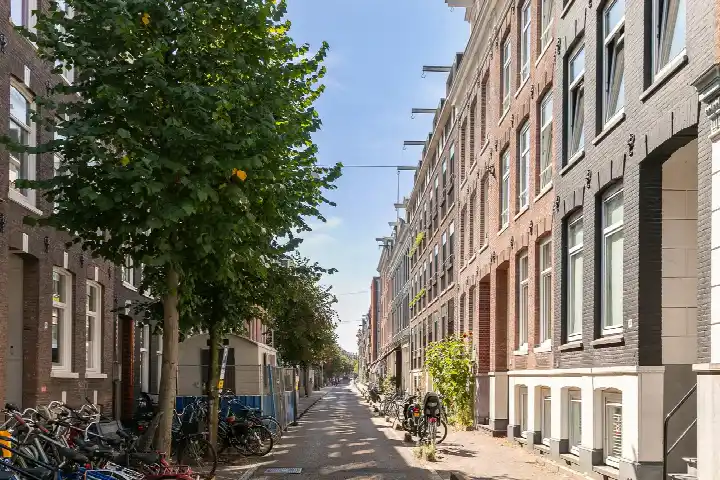
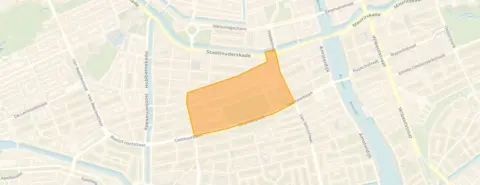
The Sarphatiparkbuurt is a dense, urban neighbourhood with over 11,000 addresses per km², making it one of the most intensively used parts of Amsterdam. Residents of the Oude Pijp district give their surroundings an average score of 6.46, based on three reviews. One resident says: "Lovely neighbourhood, my neighbourhood for fifty years." Another notes: "You can easily get out in this neighbourhood." A third resident is more critical: "It's getting busier and busier with tourists. Houses are in poor condition, lots of damp and mould, and very small and noisy." The neighbourhood recorded 542 crimes in the latest figures, which you can weigh for yourself. [The Sarphatiparkbuurt neighbourhood] is home to about 5,180 people, with a high share of single-person households.
Amenities and transport
Daily errands are easy from here. A Lidl is just around the corner, with an Albert Heijn a couple of streets away and a Jumbo within a five-minute walk. The nearest primary school, 3e Daltonschool Alberdingk Thijm, is a couple of streets away, and the Service Apotheek de Pijp is just around the corner. The GP practice Huisartsenpraktijk de Wetering is a ten-minute walk. Tram line 4 stops at Ceintuurbaan on your doorstep, and the Van Woustraat stop, served by tram lines 4 and 25 and night bus N84, is just around the corner. Amsterdam Amstel station is about 1.7 km away, within [the municipality of Amsterdam]. Public risk data at address level indicates that road traffic noise is above the norm at 55 dB Lden, while railway and aircraft noise stay below their norms. The foundation risk indication is medium, which is an area-level indication based on the building year of 1887 and the fact that all properties in this postcode area were built before 1970. For climate, pluvial flooding at heavy rain is elevated, while flood risk is low now and in 2050; heat stress is medium now and elevated by 2050. These are area-level indications, not an inspection of this specific home.
Source
When this home was still on the market, it was offered only via ME Makelaars B.V.
This summary was generated with AI and may contain errors. Always verify the details with the provider.
Features
Details of this home
Transfer
Price

Construction
The WOZ value is set annually by the municipality with 1 January as its reference date, and therefore lags the market by about a year. It is an estimated market value, not a sale price.
Frequently asked questions
About Tweede Jan Steenstraat 34H, Amsterdam
What was the asking price per square metre for this apartment?
The asking price was €875,000 for a living area of 52 m² according to the BAG registration, which came to €16,827 per m². That was above the neighbourhood average of €11,112 per m² for homes at the time for sale. The average asking price in the Sarphatiparkbuurt was €769,136, with a median of €537,500, so this apartment sat at the higher end of the local market.
What did the listing say about the layout of the home?
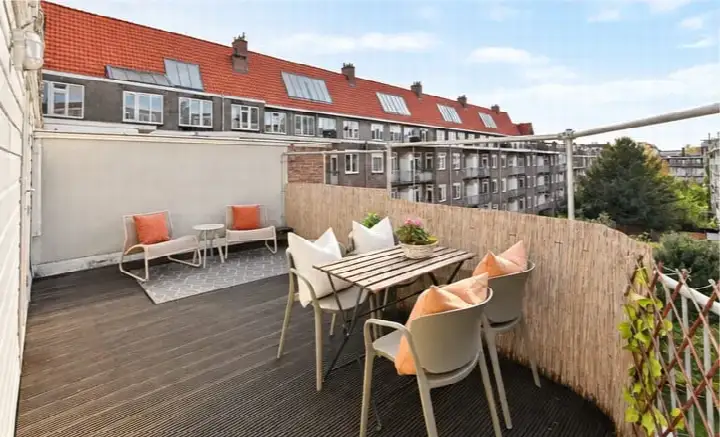
The listing did not state the number of rooms, bedrooms, or bathrooms, nor did it mention any garden, balcony, or other outdoor space. The only size figure given is the living area of 52 m² from the BAG registration. The building dates from 1887, but the interior layout was not described in the listing.
Why was there no energy label in this listing?
The agent had not published this field, so there was no official indication of the home's energy efficiency. The building year of 1887 is given, but no energy performance is mentioned.
What is the WOZ value of this property?
The municipal valuation, which is set on a reference date and differs from the current market value, has not been published for this home. As a result, there was no official figure to compare with the asking price of €875,000.
What are the noise levels around this address?
Public data indicates that road traffic noise at this address is 55 dB Lden, which is above the Dutch noise norm. Railway noise is 38 dB Lden and aircraft noise is 44 dB Lden, both below their respective norms. These are area-level indications from public sources, not measurements taken at the home itself.
What is the foundation risk for this property?
The foundation risk indication for this address is medium. This is based on the building year of 1887 and the fact that all properties in this postcode area were built before 1970, which is a KCAF attention area. This is an area-level indication from public data, not an inspection of this specific home's foundation.
Which supermarkets are closest to this apartment?
A Lidl is about 250 metres away, just around the corner. An Albert Heijn is at 297 metres, a Jumbo at 343 metres, and another Albert Heijn at 393 metres, all within a five-minute walk. A Dirk is at 537 metres, a couple of streets away. In total, there are 152 supermarkets within five kilometres of the home.
What public transport options are available nearby?
The nearest tram stop is Ceintuurbaan at 158 metres, served by tram line 4. The Van Woustraat stop at 159 metres is served by tram lines 4 and 25 and night bus N84. The Albert Cuypstraat stop at 174 metres also has tram line 4. Amsterdam Amstel train station is about 1.7 km away.
How do residents rate the Oude Pijp district?
Residents of the Oude Pijp district give their surroundings an average score of 6.46, based on three reviews. One resident praises it as a lovely neighbourhood they have lived in for fifty years, while another says you can easily get out. A third resident mentions increasing tourism, noise, and poor housing conditions. These reviews describe the district, not specifically the Sarphatiparkbuurt.
What is the housing market like in the Sarphatiparkbuurt?
There were at the time 44 homes for sale in the Sarphatiparkbuurt, with asking prices ranging from €265,000 to €2,595,000. The average asking price was €769,136 and the median was €537,500. The average living area of homes for sale was 70 m², and the average price per m² was €11,112. In the past period, 304 homes were sold at an average price of €518,204.