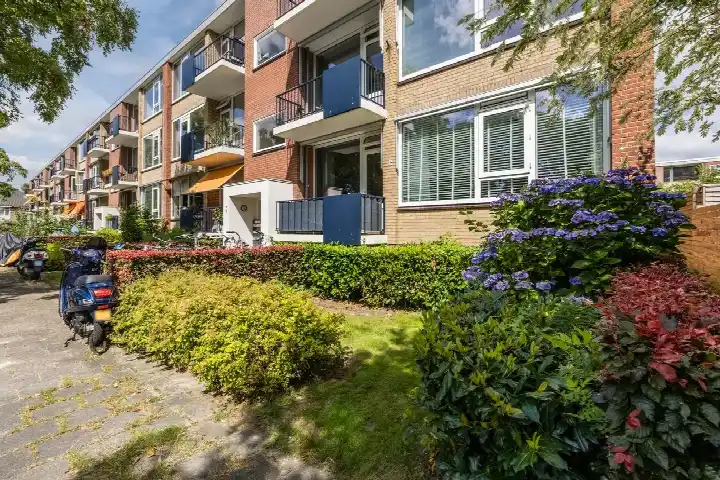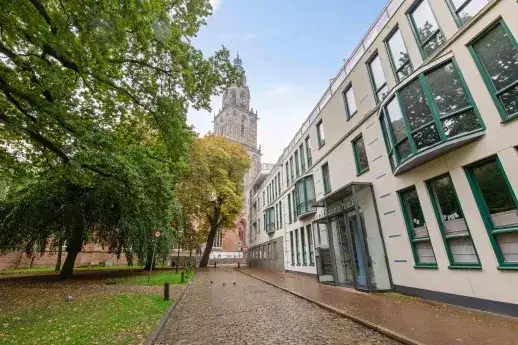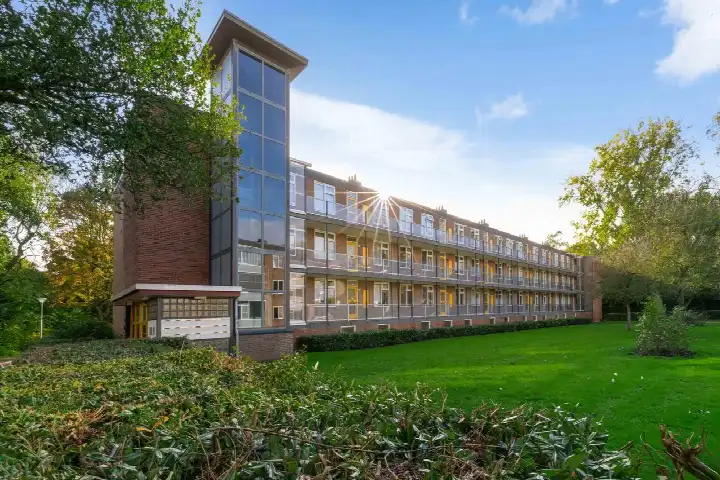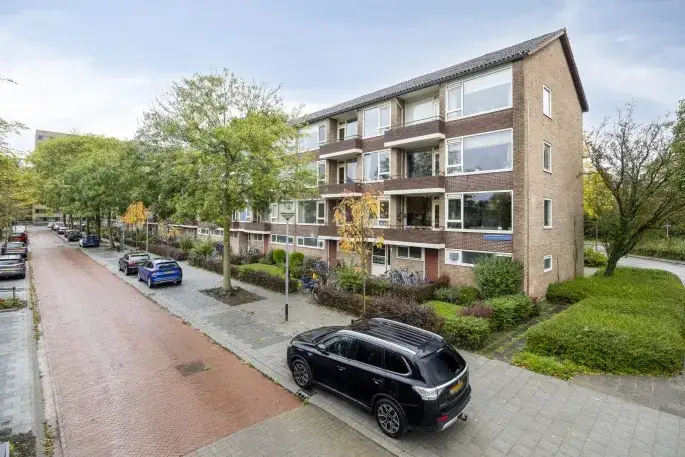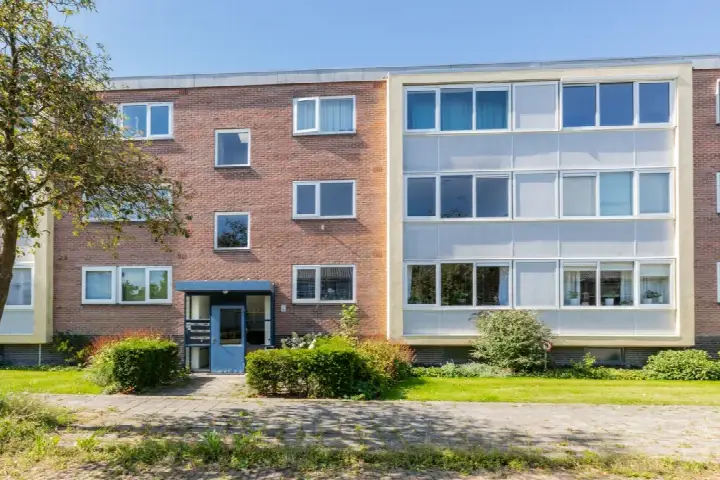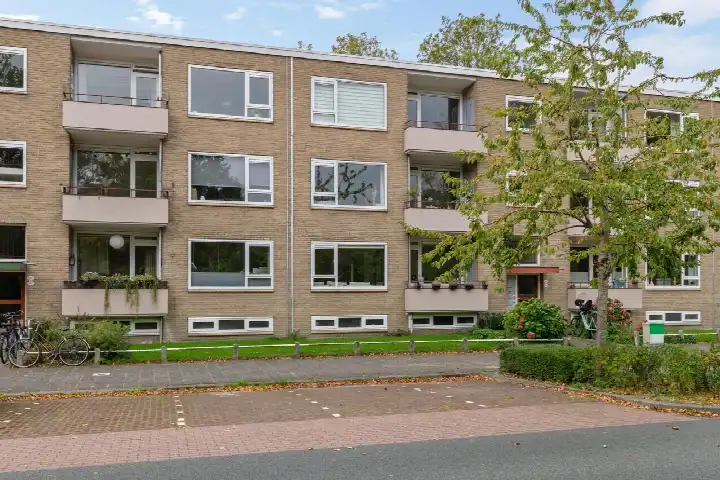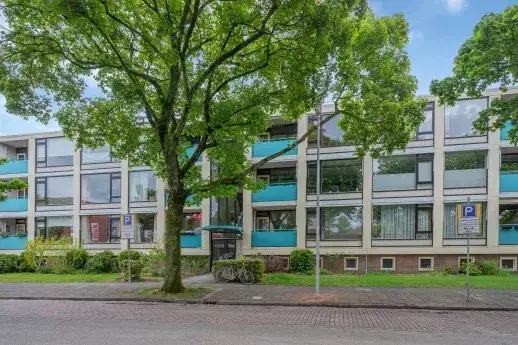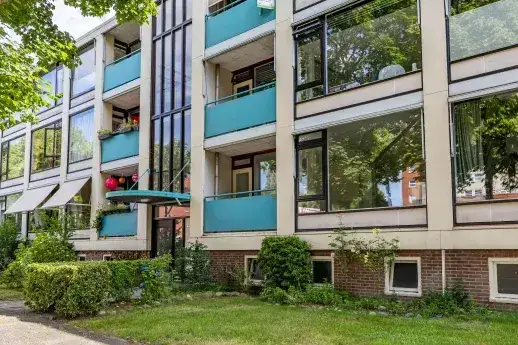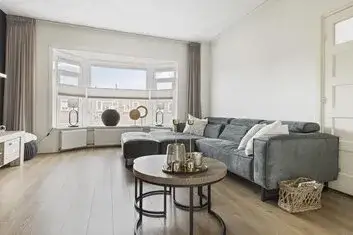






A bright upper apartment in Coendersborg
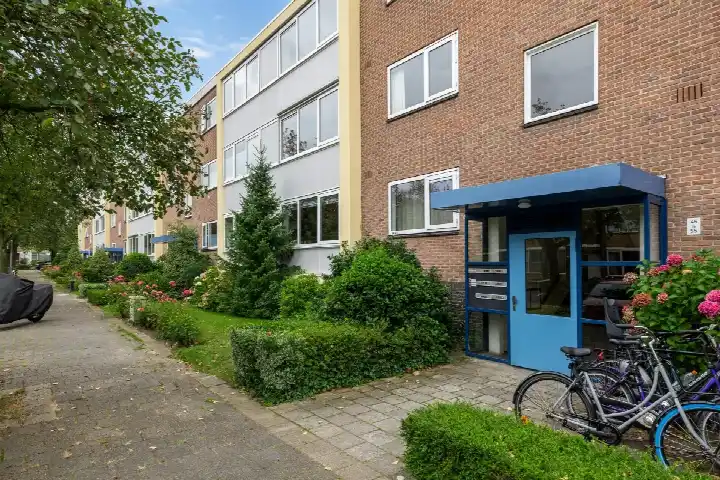
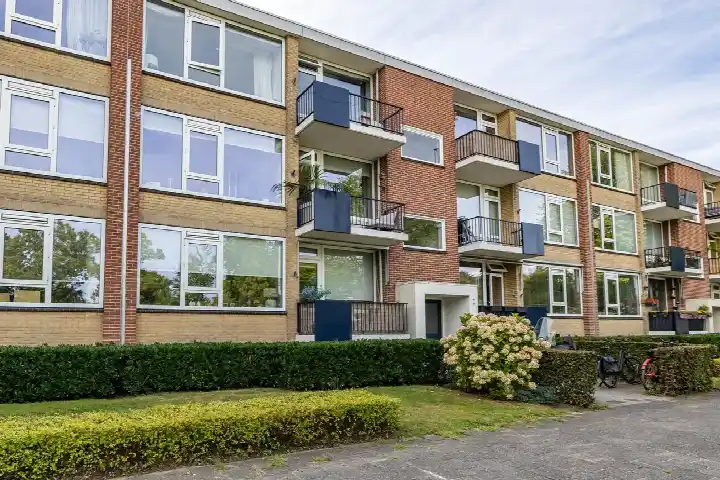
This upper apartment on Helperzoom sits in Coendersborg, a calm residential pocket of Groningen where the streets are lined with mature trees and the pace of life feels unhurried. The home was part of a 1967 building, and the last known asking price of €285,000 sat 24% below the average asking price of €377,350 for apartments in Groningen. That makes it a sharp entry point for the area, especially given the 81 m² of living space. The listing did not state an energy label, so that detail was missing from the agent's description. This home has not been online since 25 September 2026.
Inside the home
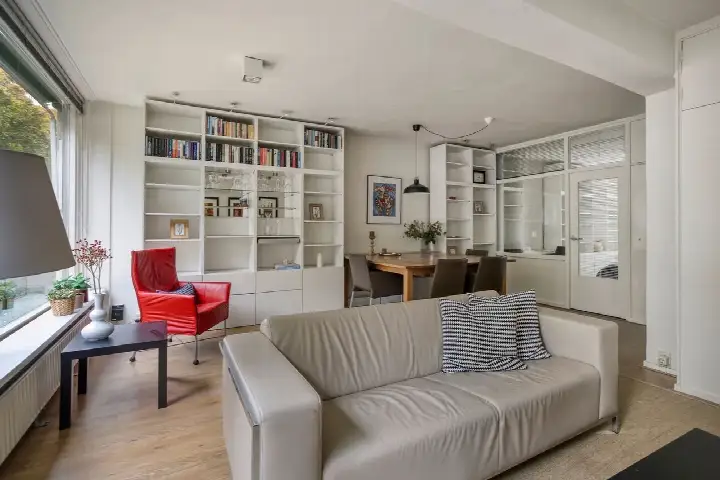
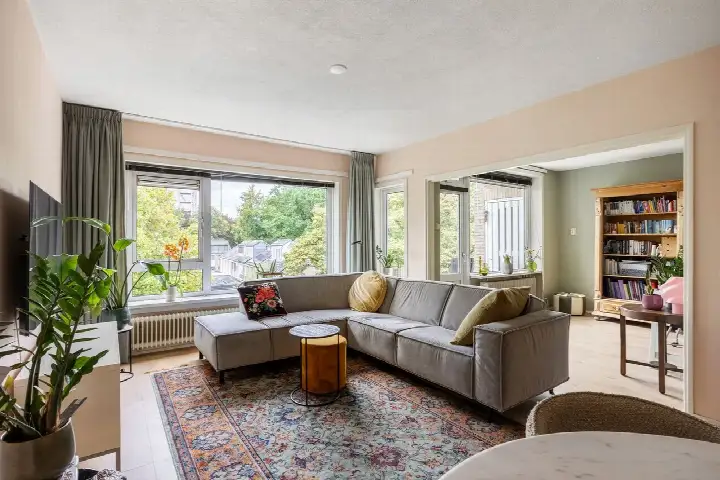
Step inside and you find a single-floor layout with three rooms, two bedrooms and one bathroom. The living space measured 81 m² according to both the BAG registration and the agent's listing, so there was no discrepancy to puzzle over. A balcony extends the living space outdoors, and the home is heated by block heating. The agent noted double glazing and wall insulation, and the property was offered as full ownership. A monthly homeowners' association fee of €184 applies.
Life in Coendersborg
Coendersborg is a neighbourhood where residents of the wider district give an average score of 7.94 out of 10, based on eight reviews. One resident calls it a top neighbourhood with beautiful homes and good amenities, while another describes it as quiet. A third resident, however, mentions that the evening can feel less safe when young people are around. The district has a mix of ages, with a quarter of residents aged 65 or over, and the housing stock is predominantly from the 1945-1970 period. For a sense of what the Coendersborg neighbourhood offers, the figures paint a picture of a settled, established community.
Amenities and getting around
The daily routine here is well served. Poiesz supermarket is just around the corner, and Albert Heijn is a ten-minute walk away. For school runs, the Groningse Schoolvereniging is a ten-minute walk, and the Joseph Haydn-School is a similar distance. The nearest GP, Medisch Centrum Helperpark, is a couple of streets away, and the pharmacy at Centrum voor Revalidatie UMCG is also within walking distance. Bus line 8 stops at Saaksumborg on your doorstep, and the train station Groningen Europapark is a ten-minute walk. The municipality of Groningen is the wider setting, and the municipality of Groningen offers all the urban amenities you might need. The address-level risk data from public sources indicates that road traffic noise is above the norm at 59 dB Lden, while rail and aircraft noise stay below their norms. The foundation risk indication is medium, based on the fact that the building dates from before 1970 and the soil type is sand. Pluvial flooding at heavy rain is indicated as medium, while current flood risk is low, rising to low in 2050. Heat stress is currently low but is expected to be medium by 2050. These are area-level indications, not an inspection of this specific home.
Source and agent
When this home was still on the market, it was offered via multiple channels, including Makelaardij Met Bauke and Makelaardij Met Bauke.
This summary was generated with AI and may contain errors. Always verify the details with the provider.
Features
Details of this home
Transfer
Price
Energy
 Save up to € 400 on your energy billCompare now
Areas and volume
 Insure your home and belongingsGet insured
Layout
Construction
Outdoor space
The WOZ value is set annually by the municipality with 1 January as its reference date, and therefore lags the market by about a year. It is an estimated market value, not a sale price.
Frequently asked questions
About Helperzoom 389, Groningen
How did the asking price compare to other homes in the neighbourhood?
The asking price of €285,000 was 24% below the average asking price of €377,350 for homes in the neighbourhood. The median asking price in the area was €272,250, so this home sat slightly above that. With 81 m² of living space, the price per square metre worked out to €3,519, which was above the neighbourhood average of €3,355 per m². The home was priced sharply relative to the average, though the smaller floor area explained part of the difference.
What is the layout of this apartment?
The apartment has three rooms in total, including two bedrooms and one bathroom, all on a single floor. The living area measures 81 m², and the volume is 255 m³. There is a balcony, and the home is heated by block heating. The agent noted double glazing and wall insulation. The property was offered as full ownership, with a monthly homeowners' association fee of €184.
Why was there no energy label in the listing?
The agent had not published this field, so there was no official label to reference. This meant the energy performance of the home was unknown from the listing alone. The address itself was complete, so location and neighbourhood data were accurate, but the energy label was simply missing from the agent's description.
What is the WOZ value of this property?
The WOZ was the municipal valuation used for tax purposes, and it was not included in the agent's description here. Without this figure, there was no official valuation to compare with the asking price of €285,000. The listing did not provide any historical WOZ development either, so no trend could be described.
What are the noise levels like at this address?
According to public address-level data, road traffic noise at this address is 59 dB Lden, which is above the Dutch noise norm. Rail noise is 39 dB Lden, below the norm, and aircraft noise is 18 dB Lden, also below the norm. These figures come from the Atlas Leefomgeving and are area-level indications, not measurements taken at the property itself. The noise levels reflect the surrounding environment rather than the specific home.
What is the foundation risk for this home?
The foundation risk indication for this address is medium. This is based on the building being constructed before 1970, specifically in 1967, and the soil type being sand. The KCAF attention area notes that 100% of properties in this postcode area were built before 1970. This is an area-level indication from public data, not an inspection of this specific home's foundation.
What flood and climate risks apply to this address?
The climate risk data for this address indicates that pluvial flooding at heavy rain is medium, while current flood risk is low and is expected to remain low in 2050. Heat stress is currently low but is projected to become medium by 2050. These are area-level indications from the Klimaateffectatlas, based on the wider environment rather than the property itself. They describe the general risk profile of the location.
Which supermarkets are closest to this apartment?
The nearest supermarket is Poiesz, located about 500 metres away, which is just around the corner. Albert Heijn is about 1.1 kilometres away, a ten-minute walk. Jumbo is about 1.5 kilometres away, and there are further Albert Heijn and Lidl stores at around 1.8 kilometres. In total, there are 37 supermarkets within five kilometres, so grocery shopping is well covered.
What schools are near this home?
The nearest primary school is the Groningse Schoolvereniging, about 760 metres away, which is a ten-minute walk. The Joseph Haydn-School is about 900 metres away. For secondary education, Zernike College for Atheneum, HAVO, MAVO and VBO is about 1.1 kilometres away. There are also several other schools within a short distance, including a special education school at about 1.5 kilometres.
How is the public transport connection from this address?
Bus line 8 stops at Groningen, Saaksumborg, which is just 40 metres from the door, so on your doorstep. There are additional stops on the same line at Esserhaag and Nolenslaan, both within a few hundred metres. The nearest train station is Groningen Europapark, about 1.4 kilometres away, which is a ten-minute walk. This gives good access to both local and regional transport.
What is the neighbourhood of Coendersborg like to live in?
Residents of the wider district give an average score of 7.94 out of 10, based on eight reviews. One resident praises the beautiful homes and good amenities, while another describes it as quiet. A third resident notes that the evening can feel less safe when young people are around. The neighbourhood has a mix of ages, with a quarter of residents aged 65 or over, and the housing stock is mostly from the 1945-1970 period.