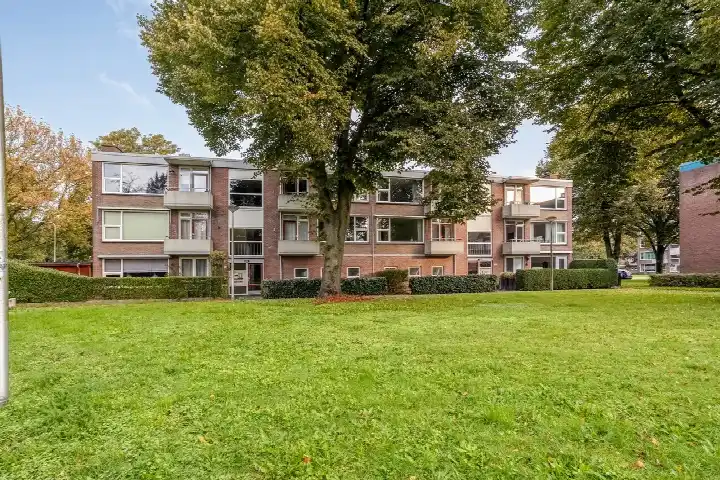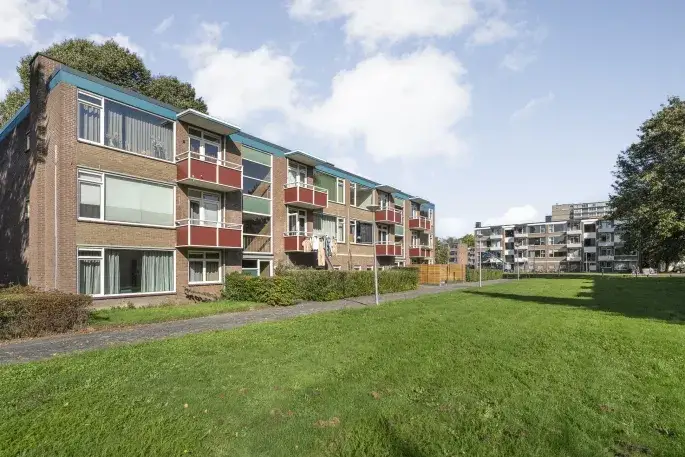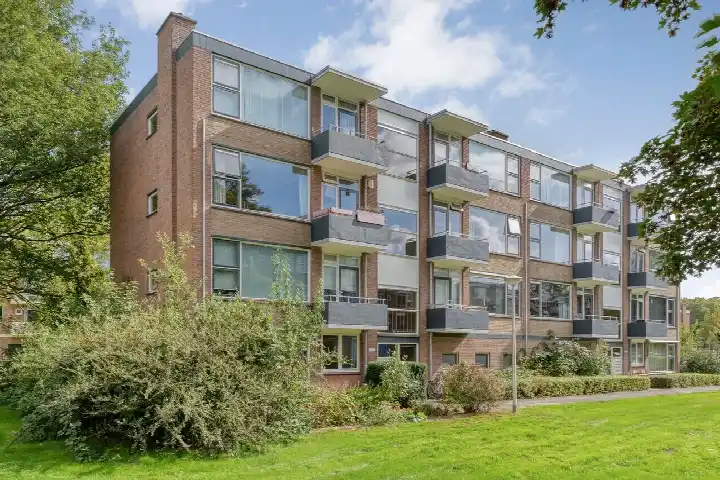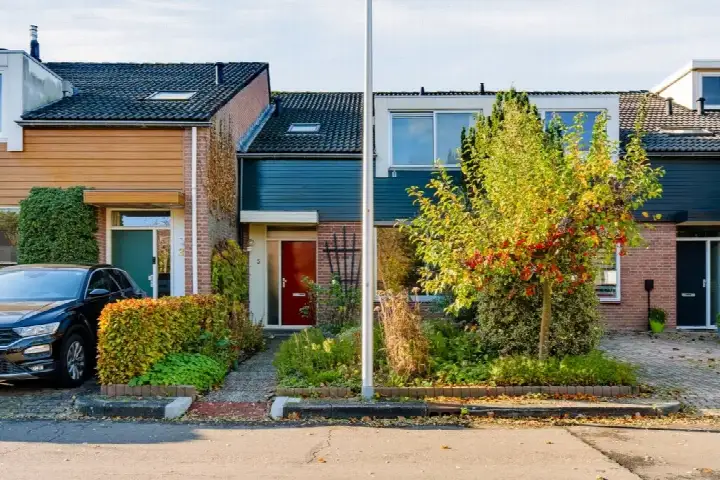





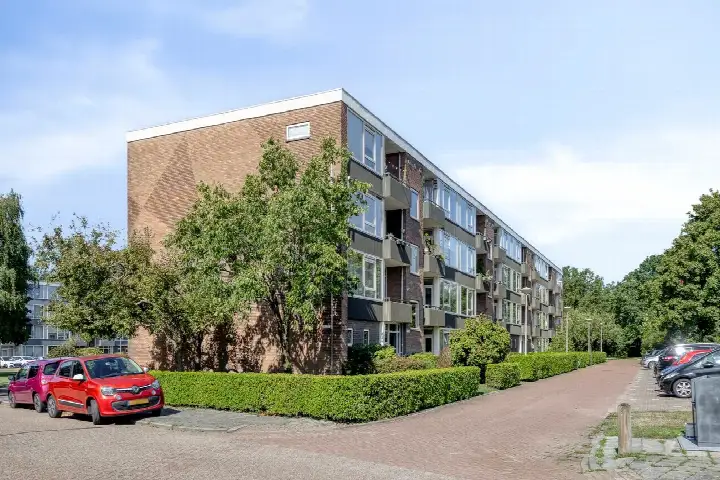

A 1960s apartment in Hogenkamp
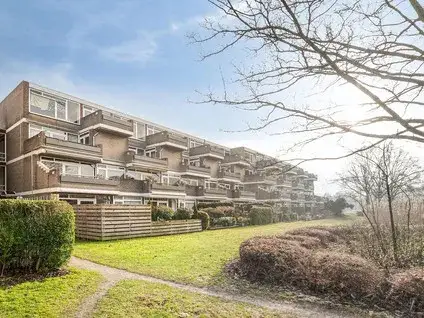
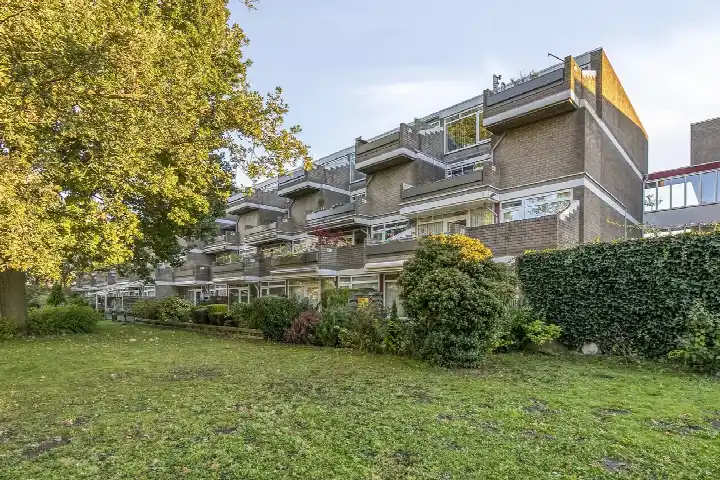
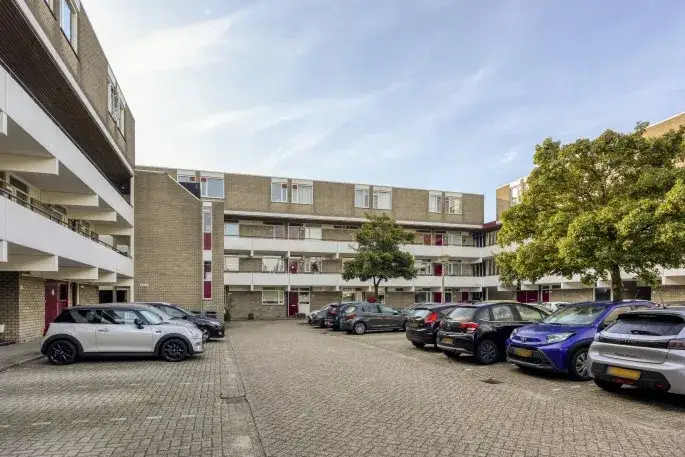
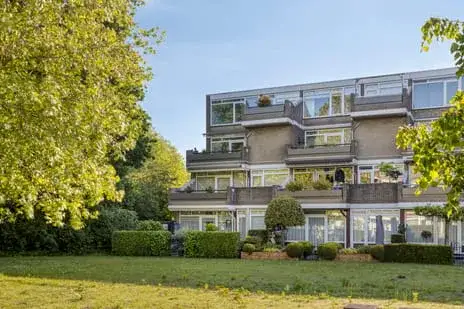
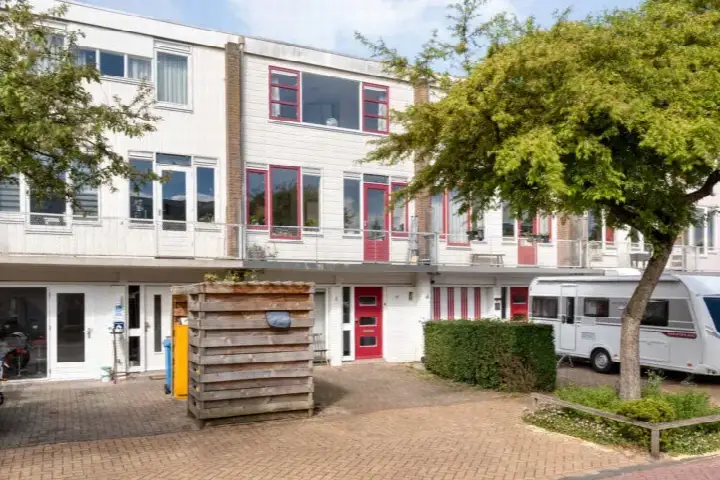
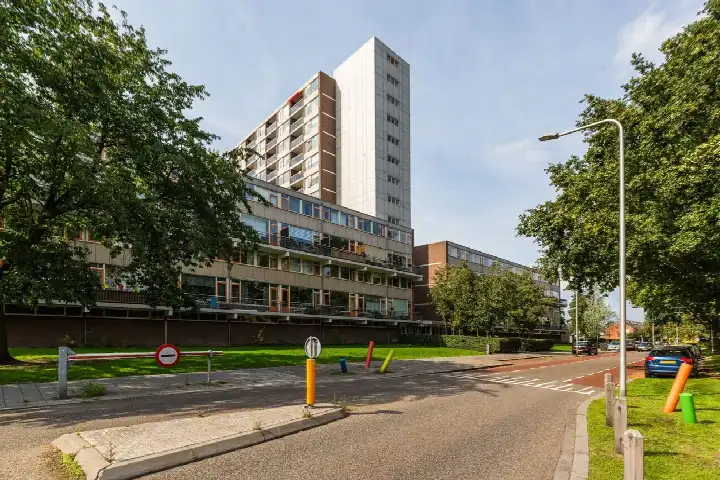
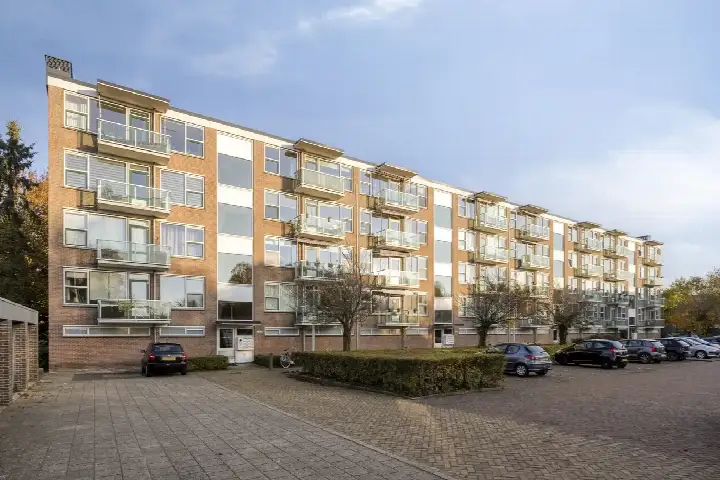
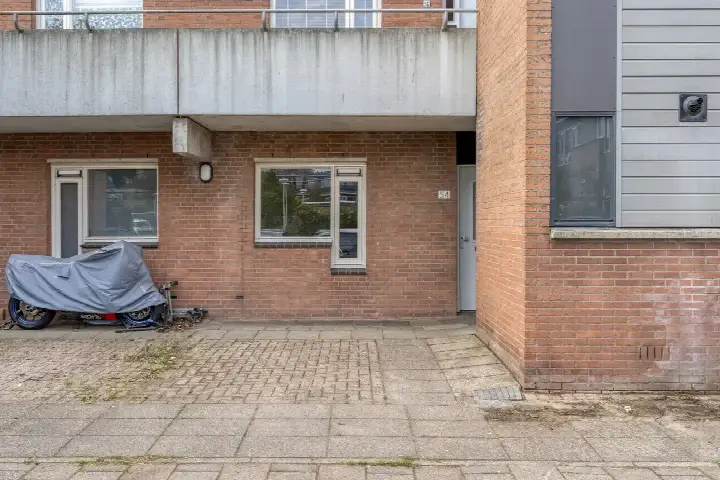
This apartment on Ruusbroecstraat sits in Hogenkamp, a neighbourhood in Zwolle where the streets are quiet and the pace is relaxed. The building dates from 1960, a year that shaped much of this part of the city. With a living area of 74 square metres according to the BAG registration, the last known asking price of €320,000 worked out at €4,324 per square metre. That was 29% below the average asking price of €448,577 for homes in the neighbourhood, so the price was on the low side compared with the local market. For context, the neighbourhood at the time had 13 homes for sale, and the average asking price per square metre there was €4,895. If you were looking at apartments in Zwolle, this one stood out for its price point. This home has not been online since 29 September 2026.
The home itself
The listing did not include an energy label, so that detail was not stated. What is clear is that the apartment was built in 1960, which means it is part of the post-war housing stock that characterises this area. The floor area was given as 74 square metres according to the BAG registration, and the agent did not provide an alternative figure. The home was offered for sale, and the asking price reflected the size and age of the property.
Life in Hogenkamp
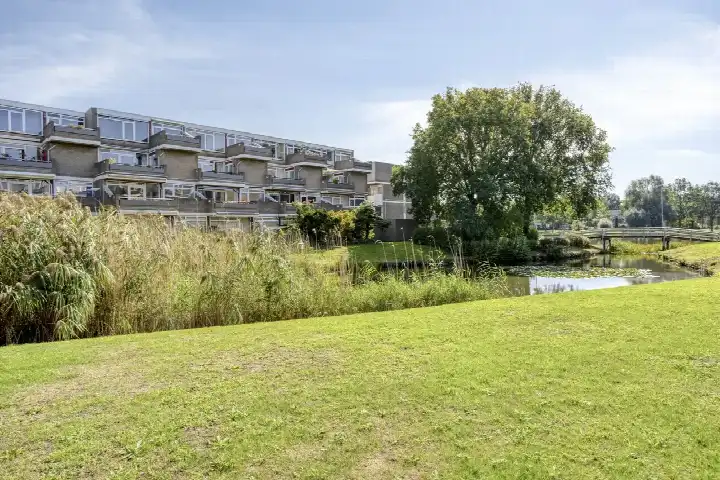
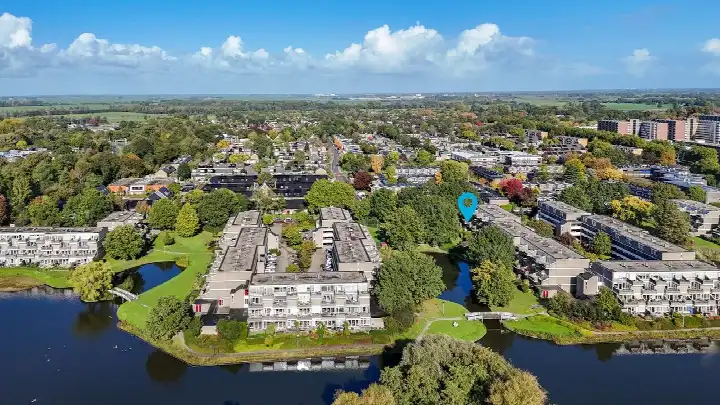
Hogenkamp is a neighbourhood where residents give their surroundings a 7.49 out of 10, based on four reviews. One resident describes it as "a quiet neighbourhood", while another notes that there is "not much contact with the neighbours". The area is home to around 3,450 people, and a large share of households are single-person, at 60%. The streets are lined with homes built between 1945 and 1970, which gives the area a consistent character. The neighbourhood has a park or green space just a short walk away, and the urban feel is strong, with a high address density. For a closer look at what this part of Zwolle is like, the Hogenkamp neighbourhood page has more details.
Amenities and transport
Daily errands are easy from this address. The Jumbo supermarket is just around the corner, and an Albert Heijn is a couple of streets away, so groceries are never far. For primary education, the Smaragd school is a five-minute walk, and the Kentalis Enkschool SO Zwolle is even closer. The nearest GP practice, Huisartsenpraktijk Takens, Zuidwijk & Karsten, is a five-minute walk, and the pharmacy Apotheek Geert Groote is nearby as well. Public transport is well within reach: the bus stop at Hogenkampsweg, served by lines 4 and 13, is just around the corner, and the train station in Zwolle is about a ten-minute walk. The municipality of Zwolle offers a range of services and connections, and the municipality of Zwolle page gives an overview of the wider area. The address does come with some area-level risk indications. The noise level from road traffic is 52 dB Lden, which is above the noise standard, while railway and aircraft noise are below their respective standards. The foundation risk indication is medium, based on the fact that the home was built in 1960 on clay soil, which may involve wooden piles or a shallow foundation, and the area is a KCAF attention zone where all properties were built before 1970. These are indications at the area level, not an inspection of this specific home. For climate, the pluvial flooding risk is elevated, the current flood risk is elevated, and the 2050 flood risk is medium, while heat stress is currently low but medium by 2050.
Source and agent
When this home was still on the market, it was offered via two channels, including Holtland Makelaardij and Holtland Makelaardij on Funda.
This summary was generated with AI and may contain errors. Always verify the details with the provider.
Features
Details of this home
Transfer
Price
Energy
 Save up to € 400 on your energy billCompare now
Areas and volume
 Insure your home and belongingsGet insured
Layout
Construction
Outdoor space
The WOZ value is set annually by the municipality with 1 January as its reference date, and therefore lags the market by about a year. It is an estimated market value, not a sale price.
Frequently asked questions
About Ruusbroecstraat 89, Zwolle
How did the asking price compare with other homes in Hogenkamp?
The asking price of €320,000 was 29% below the average asking price of €448,577 for homes in the neighbourhood. The average asking price per square metre in Hogenkamp was €4,895, while this apartment worked out at €4,324 per square metre based on the BAG living area of 74 square metres. The neighbourhood at the time had 13 homes for sale, with prices ranging from €250,000 to €1,125,000.
What is the living area of this apartment?
The living area is 74 square metres according to the BAG registration. The agent did not provide a separate figure, so this was the only stated measurement. The price per square metre was calculated on this basis, at €4,324. The home was built in 1960, and no other floor areas were mentioned in the listing.
Why was there no energy label in the listing?
The agent had not published this field, so there was no official label to refer to. This meant the energy performance of the home was unknown, and no conclusions could be drawn about insulation or heating costs from the label. The year of construction is 1960, but that does not indicate the actual energy efficiency.
What is the WOZ value of this home?
The WOZ is the municipal valuation, but it has not been published for this property. As a result, there was no reference date or value to compare with the asking price. The asking price of €320,000 stood on its own, without a municipal valuation to set against it.
What are the noise levels around this address?
The area-level noise data shows that road traffic noise is 52 dB Lden, which is above the noise standard. Railway noise is 24 dB Lden, and aircraft noise is 12 dB Lden, both below their respective standards. These figures are indications at the area level, based on public data, and do not represent a measurement inside the home itself.
What is the foundation risk for this property?
The foundation risk indication is medium. This is based on the home being built in 1960 on clay soil, which may involve wooden piles or a shallow foundation. The area is also a KCAF attention zone, where all properties in the postcode area were built before 1970. This is an area-level indication, not an inspection of this specific home.
What are the flood and climate risks for this address?
The climate risk data indicates that pluvial flooding risk is elevated, and the current flood risk is also elevated. By 2050, the flood risk is expected to be medium. Heat stress is currently low, but it is projected to be medium by 2050. These are area-level indications based on climate models, not a guarantee of what will happen at this specific property.
Which supermarkets are near this apartment?
The nearest supermarket is a Jumbo, about 349 metres away, which is just around the corner. An Albert Heijn is 669 metres away, and a Lidl is 678 metres away. There are also two more supermarkets within about 700 metres, including another Albert Heijn and an Aldi. In total, there are 28 supermarkets within five kilometres.
What schools are close to this home?
The nearest school is Kentalis Enkschool SO Zwolle, a special education school about 255 metres away. The Smaragd primary school is 393 metres away, and Het Stroomdal primary school is 701 metres away. For secondary education, Meander College is 793 metres away. There are 78 schools within five kilometres of the address.
How is the public transport from this address?
The nearest bus stop is Zwolle, Hogenkampsweg, about 248 metres away, served by lines 4 and 13. Another stop, Zwolle, Rijnlaan/Amstel, is 400 metres away with the same lines. The train station in Zwolle is about 2.1 kilometres away, which is roughly a ten-minute walk. The nearest stop with line 3 is at Celebesstraat, 722 metres away.
What is the neighbourhood like according to residents?
Residents of Hogenkamp give their neighbourhood an average score of 7.49 out of 10, based on four reviews. One resident describes it as "a quiet neighbourhood", while another mentions that there is "not much contact with the neighbours". The neighbourhood has around 3,450 residents, and 60% of households are single-person. The area is strongly urban, with a high address density.