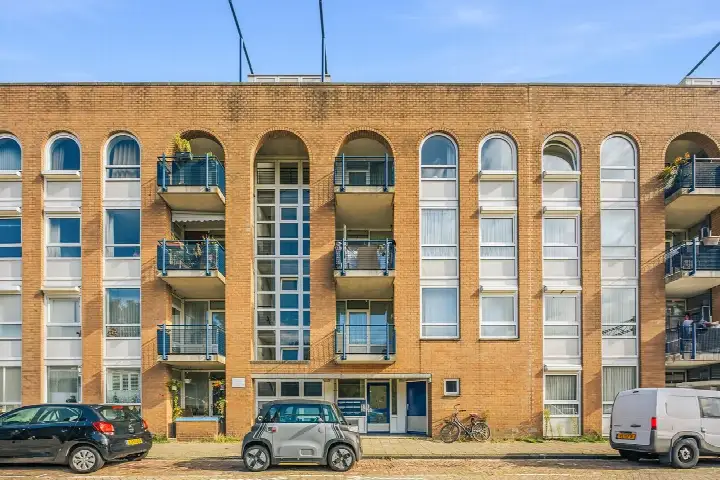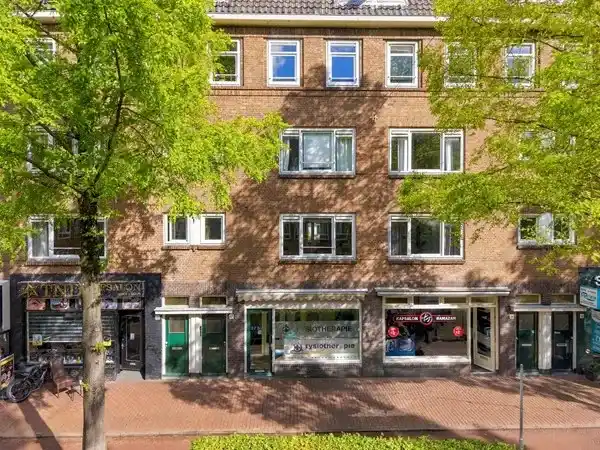





Bankastraat 59D
Timorpleinbuurt-Noord · 1094 EC Amsterdam
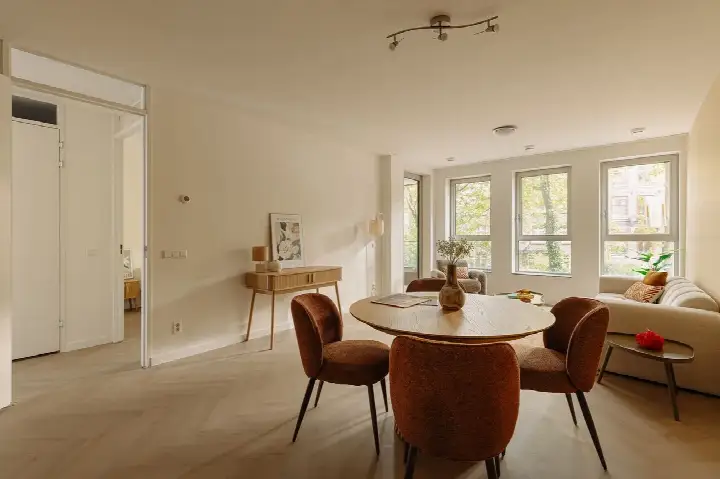
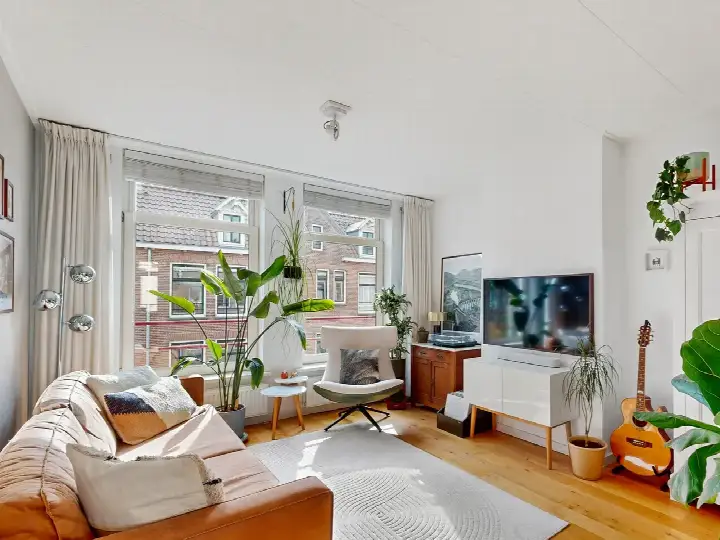
A studio with character in the Indische Buurt
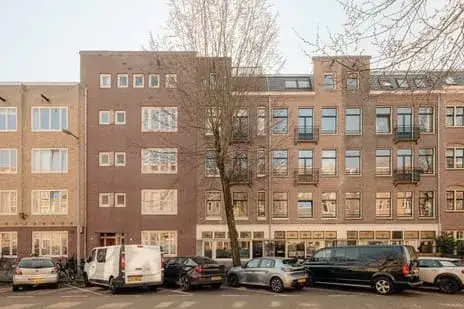
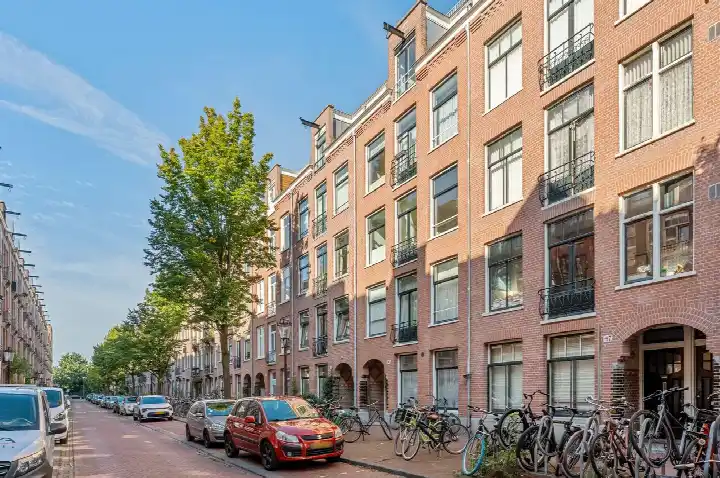
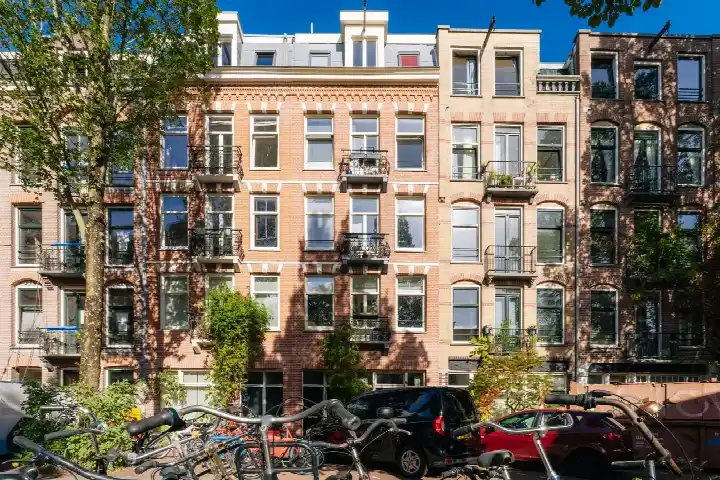
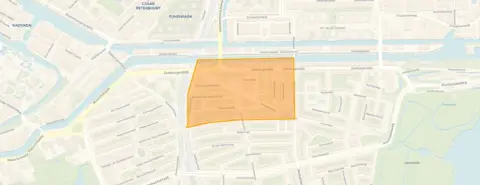
This studio on Bankastraat 59D sits in the Timorpleinbuurt-Noord, part of the Indische Buurt-West in Amsterdam. The building dates from 1912, so it carries the history of the area. The asking price was €365,000. For context, the average asking price in the neighbourhood was €499,225, and the average asking price per square metre was €9,118. This studio was listed at €9,125 per m². If you were looking at studios in Amsterdam, this one was priced below the neighbourhood average, partly because it was smaller than the typical home here. This home has not been online since 29 October 2026.
The home itself
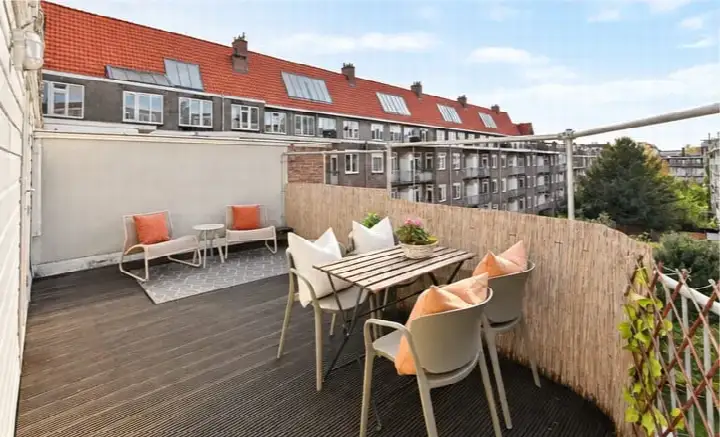
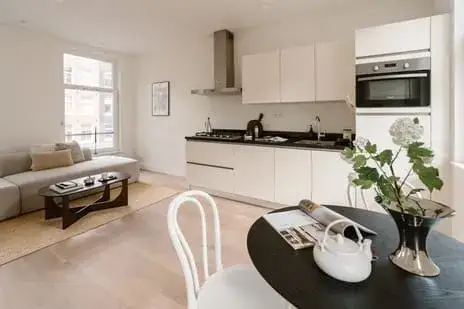
According to the agent, this studio had two rooms, one bedroom and one bathroom. The living area was listed as 40 m² by the agent, while the BAG registration records 39 m². The energy label was E, which was the least efficient label, so expect higher energy costs. The home was built in 1912, a fact that speaks to its age but says nothing about its condition. The listing did not mention any garden, balcony or garage, so outdoor space was not part of this offering.
The Timorpleinbuurt-Noord neighbourhood
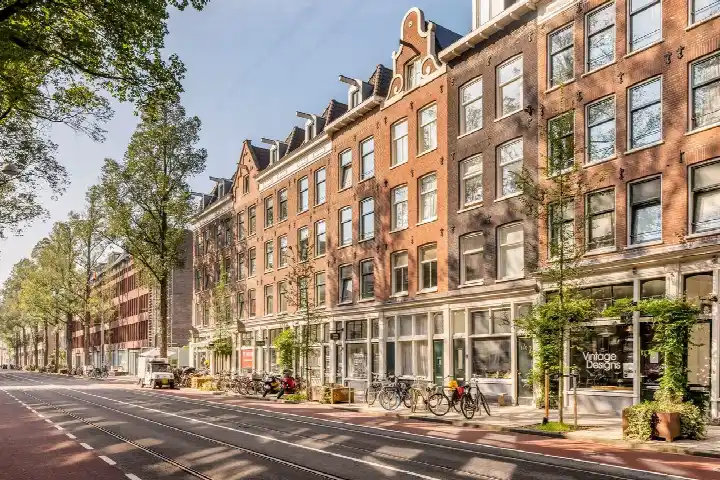
Residents across the municipality of Amsterdam give their living environment an average score of 7.38, based on 258 reviews. One resident says: "Lots of amenities around, parks, shopping areas, bars, daycares etc." Another resident, who has lived in the area for over six years, describes it as "calm, safe and green", noting that it has changed a lot in recent years and now offers more entertainment and dining options. A third resident mentions the many trees that provide cooling and relaxation, though they also point out that rubbish around the containers is a daily eyesore. The neighbourhood has 3,930 inhabitants, and 58% of households are single-person households. This is a diverse, evolving part of Amsterdam, as the reviews suggest. For more on the Timorpleinbuurt-Noord neighbourhood, you can read further.
Amenities and transport
Daily life here is convenient. The Albert Heijn on your doorstep is just around the corner, and there are two Lidl supermarkets a couple of streets away. De Indische Buurt School is on your doorstep, and the Bataviaschool is just around the corner. The nearest GP is Huisartsenpraktijk Zeeburgerdijk, a couple of streets away, and the Service Apotheek Sumatra is also close by. For public transport, the Zeeburgerdijk tram stop is just around the corner, with trams 4, 14, 19 and 25. Amsterdam Muiderpoort train station is a ten-minute walk. The OLVG hospital, location Oost, is a bit further out. This is all within the municipality of Amsterdam, which offers a full range of urban amenities.
WOZ value and address data
The WOZ value of this home was €425,000, based on the reference date 1 January 2025. The asking price was 14% below this WOZ value. Between 2020 and 2025, the WOZ value rose by 50%, from €283,000 to €425,000. As for the address, the noise levels from road, rail and air traffic are all below the relevant standards. The foundation risk indication is medium, which is an area-level indication based on the fact that the building dates from before 1970. The climate risk indications are also area-level: pluvial flooding risk is low, flood risk is low for both current and 2050 scenarios, and heat stress is currently medium, rising to elevated by 2050.
Source
When this home was still on the market, it was offered only via JA Makelaardij.
This summary was generated with AI and may contain errors. Always verify the details with the provider.
Features
Details of this home
Transfer
Price

Areas and volume
 Insure your home and belongingsGet insured
Layout
Construction
The WOZ value is set annually by the municipality with 1 January as its reference date, and therefore lags the market by about a year. It is an estimated market value, not a sale price.
Frequently asked questions
About Bankastraat 59D, Amsterdam
How did the asking price compare to the WOZ value?
The asking price of €365,000 was 14% below the WOZ value of €425,000, which was set on 1 January 2025. The WOZ value is the municipal valuation, not the current market value. This meant the asking price was lower than the official valuation, but that did not automatically imply anything about the final sale price.
What is the layout of this studio?
According to the agent, this studio had two rooms, one bedroom and one bathroom. The living area was listed as 40 m² by the agent, while the BAG registration records 39 m². The listing did not mention a garden, balcony or garage, so outdoor space was not part of this offering.
What is the energy label and what does it mean?
The energy label is E. The label does not say anything about the condition of the building itself. The home was built in 1912, which is a fact about its age, not a diagnosis of its state.
What is the foundation risk for this address?
The foundation risk indication for this address is medium. This is an area-level indication based on public data, not an inspection of this specific home. The building dates from 1912, and the entire postcode area falls within a KCAF attention area, where 100% of properties were built before 1970. This is information to be aware of, but it does not mean there is a known problem with this particular property.
What are the noise levels like at this address?
The noise levels from road traffic are 46 dB Lden, from rail traffic 54 dB Lden, and from air traffic 42 dB Lden, all measured in 2022 and 2023. None of these exceed the relevant noise standards. These are area-level indications, not measurements taken at the property itself.
What supermarkets are nearby?
There is an Albert Heijn just around the corner at 259 metres, and another Albert Heijn at 509 metres. A Lidl is at 586 metres, and another Lidl at 633 metres. A third Albert Heijn is at 643 metres. So you have several options for groceries within a short walk.
Which schools are close to this home?
De Indische Buurt School is on your doorstep at 82 metres, and the Bataviaschool is just around the corner at 345 metres. For secondary education, Havo De Hof is at 559 metres. There are also other primary schools within a short distance, such as Basisschool Oostelijke Eilanden at 577 metres and Vrije School Thula at 635 metres.
What public transport options are available?
The Zeeburgerdijk tram stop is just around the corner at 144 metres, with trams 4, 14, 19 and 25. The Javaplein stop is at 336 metres, serving trams 4, 14, 19 and 25, as well as buses 37, 65, 245 and N89. Amsterdam Muiderpoort train station is at 482 metres, about a ten-minute walk.
How did the price per square metre compare to the neighbourhood?
The asking price per square metre was €9,125, based on the agent's listed living area of 40 m². The average asking price per square metre in the neighbourhood was €9,118. So this studio was priced almost exactly at the neighbourhood average per square metre, even though the total price was lower because the home was smaller than the average.
What was the average asking price in the neighbourhood?
The average asking price for homes at the time for sale in the Timorpleinbuurt-Noord was €499,225, with a median of €462,500. The cheapest home on the market was €295,000 and the most expensive was €885,000. This studio at €365,000 was below the average and median, which reflected its smaller size.