




A studio in the heart of Amsterdam
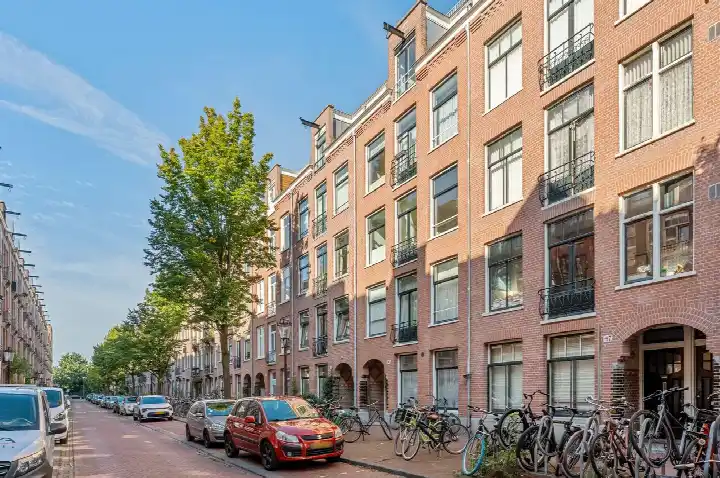
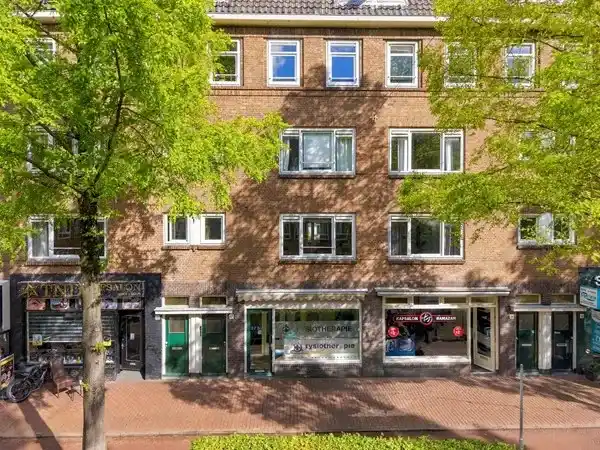
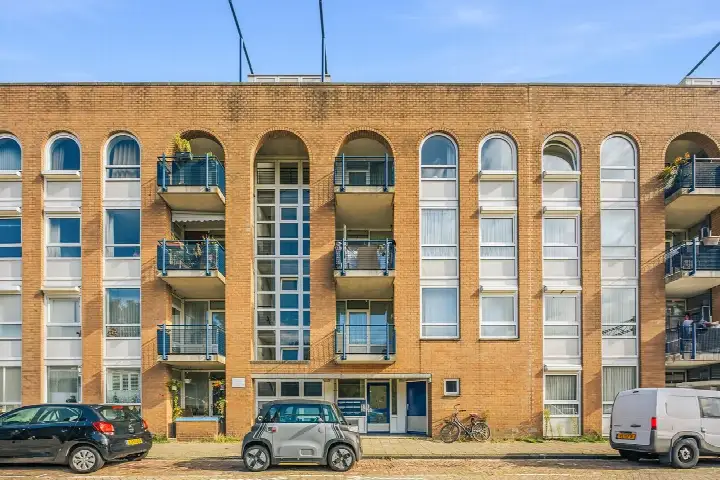
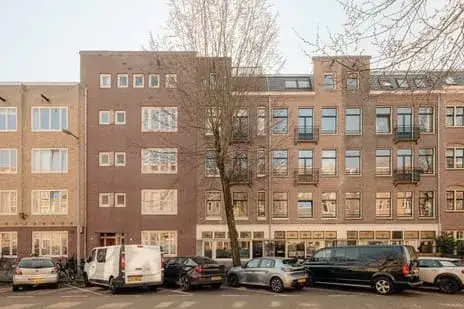
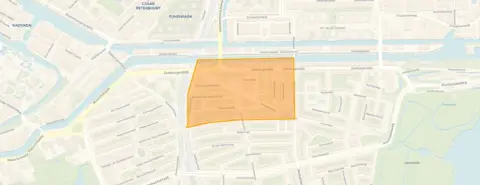
This studio on the third floor of a 1914 building sits on a quiet road in the Timorpleinbuurt-Noord neighbourhood, part of the Indische Buurt-West district in Amsterdam. The asking price of €400,000 is 22% below the average asking price of €514,960 in the neighbourhood, which makes it a sharp price for the area. For comparison, studios in Amsterdam are listed at various price points.
The home itself
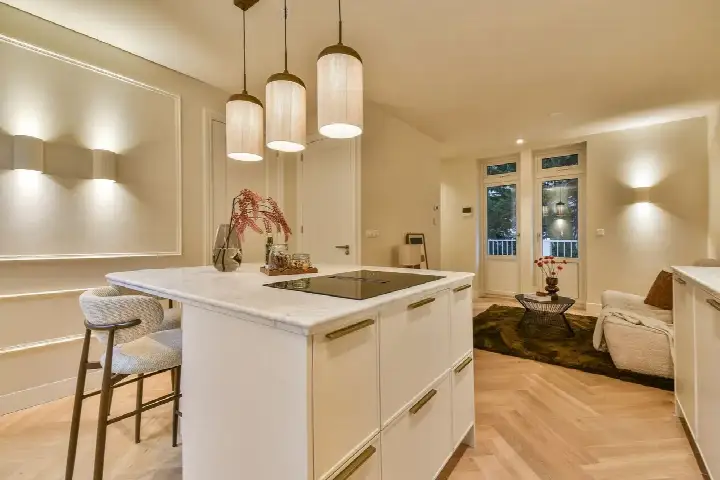
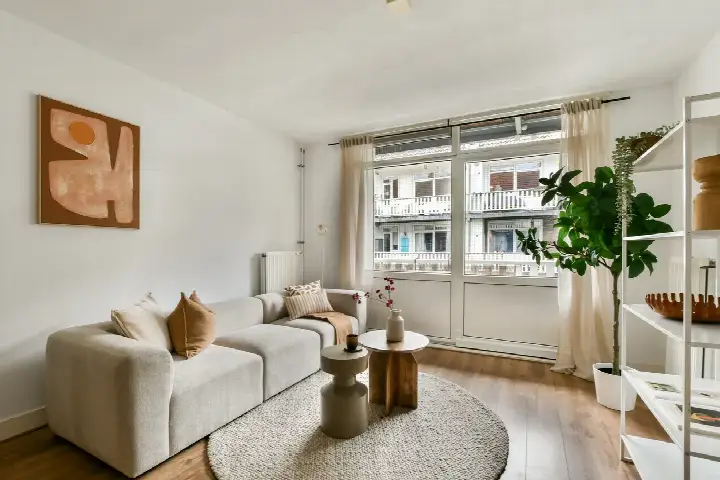
According to the agent, this upper-floor home has two rooms, one bedroom, and one bathroom, spread over a single floor. The living area is 44 m², which matches the BAG registration. The home has double glazing and a central heating boiler. The ground lease has been paid off until 30 September 2054. The monthly homeowners' association contribution is €205.77.
Timorpleinbuurt-Noord
Residents across the municipality of Amsterdam give their living environment an average score of 7.35, based on 252 reviews. One resident says: "A very pleasant, quiet neighbourhood with lots of greenery and wonderful trees that offer cooling and relaxation." Another notes: "Quiet, peaceful, relaxed, green, social and a nice mix of people." The neighbourhood has about 3,845 inhabitants, and 58% of households are single-person households. For more details, see the Timorpleinbuurt-Noord neighbourhood.
Amenities and transport
For daily groceries, you have an Albert Heijn just around the corner, and a Lidl a couple of streets away. The De Indische Buurt School and Bataviaschool are both within a five-minute walk. The nearest GP is Huisartsenpraktijk Zeeburgerdijk, and the pharmacy Service Apotheek Molukken is just around the corner. Tram and bus stop Javaplein is on your doorstep, with lines 4, 14, 19, 25, 37, 65, 245, and N89. Amsterdam Muiderpoort train station is a ten-minute walk. For more on the wider area, see the municipality of Amsterdam. The address risk data indicates that the noise level from road traffic is 49 dB Lden, which is above the standard, while railway and aircraft noise are below the standard. The foundation risk indication is medium, as the building dates from before 1970. Pluvial flooding risk is medium, and flood risk is low, both now and in 2050. Heat stress is medium. These are area-level indications, not an inspection of this specific home.
Source
At the time of writing, the home is offered via multiple channels, including Makelaar in Amsterdam B.V. on Vastgoed Nederland.
This summary was generated with AI and may contain errors. Always verify the details with the provider.
Features
Details of this home
Transfer
Price
Energy
 Save up to € 400 on your energy billCompare now
Areas and volume
Layout
Construction
The WOZ value is set annually by the municipality with 1 January as its reference date, and therefore lags the market by about a year. It is an estimated market value, not a sale price.
Frequently asked questions
About Djambistraat 40-3, Amsterdam
What is the asking price per square metre?
The asking price is €400,000 for a living area of 44 m², which comes down to €9,091 per m² according to the agent's listing. This is in line with the neighbourhood average of €9,071 per m². The average asking price in the neighbourhood is €514,960, so this studio is priced below that.
How many rooms does this studio have?
According to the agent, this upper-floor home has two rooms in total: one bedroom and one bathroom. It is spread over a single floor, with a living area of 44 m² and a volume of 158 m³. The home is located on the third floor.
What is the energy label and what does it mean?
The energy label is C. This label indicates the home's energy performance, and with label C you can expect moderate energy costs. The home has double glazing and a central heating boiler, which are positive features. The exact energy costs depend on your usage and energy prices.
What is the ground lease situation?
The ground lease has been paid off until 30 September 2054. This means that the annual ground rent is settled for that period. The homeowners' association contribution is €205.77 per month.
What is the noise level like in this area?
The address risk data shows that road traffic noise is 49 dB Lden, which is above the standard. Railway noise is 50 dB Lden, and aircraft noise is 42 dB Lden, both below the standard. These are area-level indications, not measurements at the property itself.
What is the foundation risk for this home?
The foundation risk indication is medium. This is because the building was constructed before 1970, specifically in 1914, and the entire postcode area is in a KCAF attention area. This is an area-level indication, not an inspection of this specific home.
What are the flood and heat stress risks?
The pluvial flooding risk is medium, meaning there is a moderate chance of water nuisance during heavy rain. The flood risk from rivers or the sea is low, both now and in 2050. Heat stress is also medium, both now and in 2050. These are area-level indications.
Which supermarkets are nearby?
There are several supermarkets within walking distance. An Albert Heijn is about 342 metres away, another Albert Heijn is 448 metres, and a Lidl is 472 metres. For a wider choice, there are more options within a few kilometres.
Which schools are in the area?
Primary schools nearby include De Indische Buurt School at 333 metres and Bataviaschool at 337 metres. For secondary education, Montessori Lyceum Oostpoort ISK Soembawastraat and LUCA Praktijkschool are both about 460 metres away.
What public transport options are available?
The nearest stop is Javaplein, about 108 metres away, served by tram and bus lines 4, 14, 19, 25, 37, 65, 245, and N89. Zeeburgerdijk stop is 133 metres away with bus lines 37, 65, 245, and N89. Amsterdam Muiderpoort train station is 624 metres away.
What is the neighbourhood like?
Residents across the municipality of Amsterdam rate their living environment 7.35 out of 10, based on 252 reviews. One resident mentions the quiet, green surroundings, while another notes the mix of people. The neighbourhood has about 3,845 inhabitants, with many single-person households.