Bogortuin 121
Java-eiland, Amsterdam
 Area
AreaA calm spot on Java-eiland
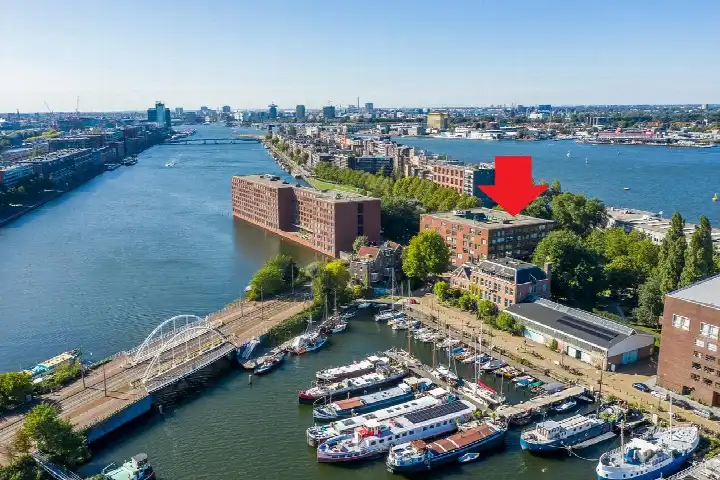
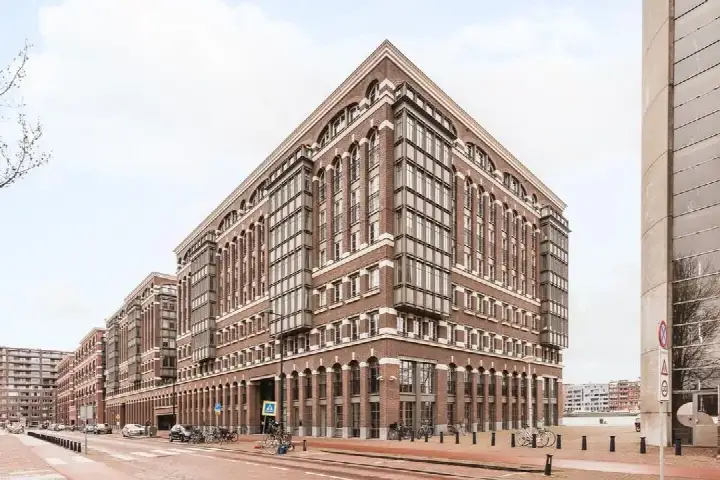
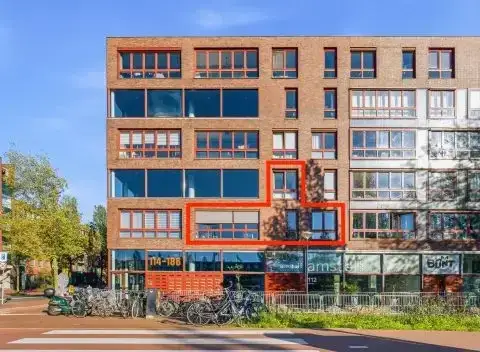
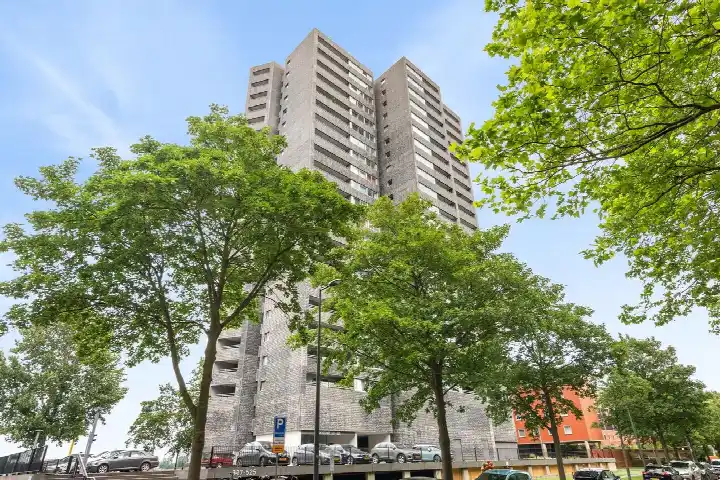
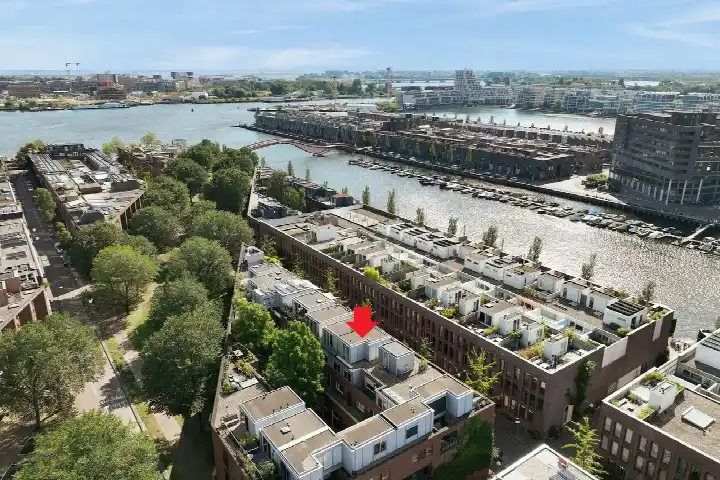
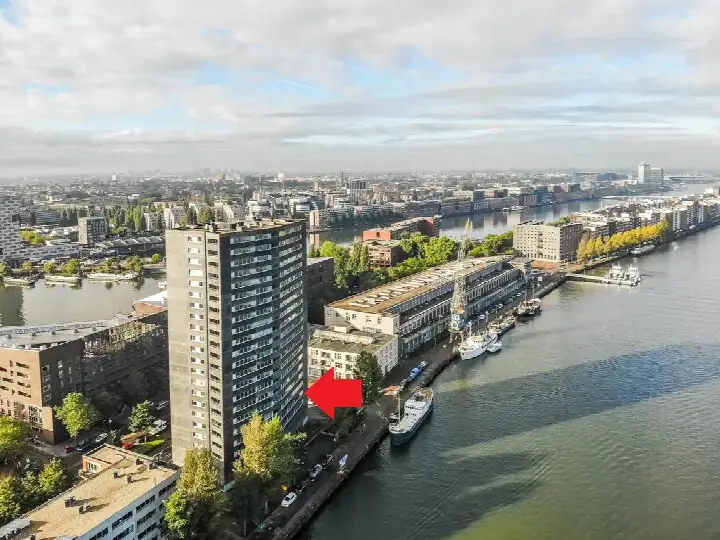
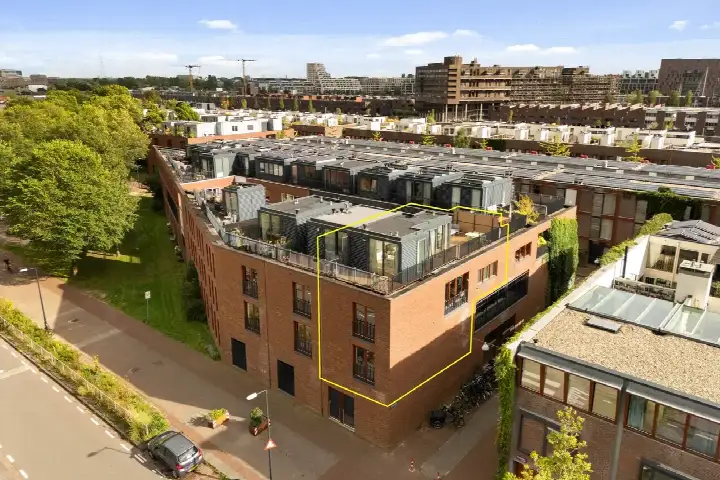
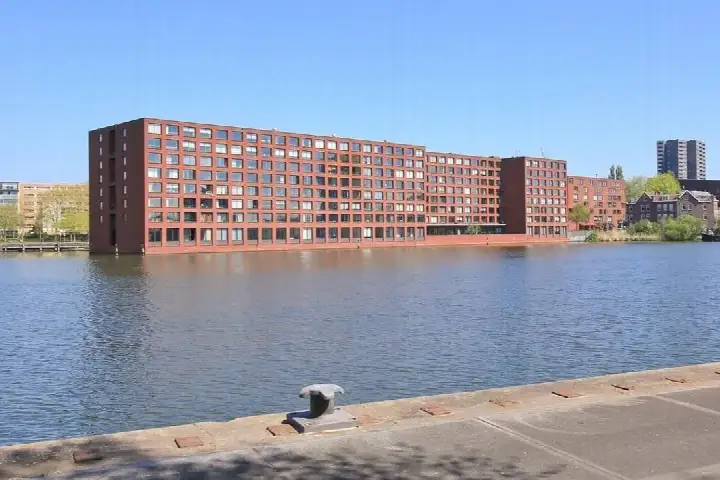
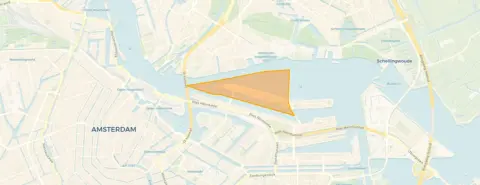
Bogortuin 121 sits on Java-eiland, one of the artificial islands in Amsterdam's Eastern Docklands. The area was built around the turn of the millennium, and this apartment dates from 2001. With an asking price of €800,000, the price is in line with the market when compared to the neighbourhood average asking price of €729,000. The living area of 123 m² is 29% larger than the neighbourhood average of 95 m². For context, there are currently five apartments for sale in the area, with asking prices ranging from €525,000 to €895,000. This is one of the [apartments in Amsterdam] currently on the market.
The apartment itself
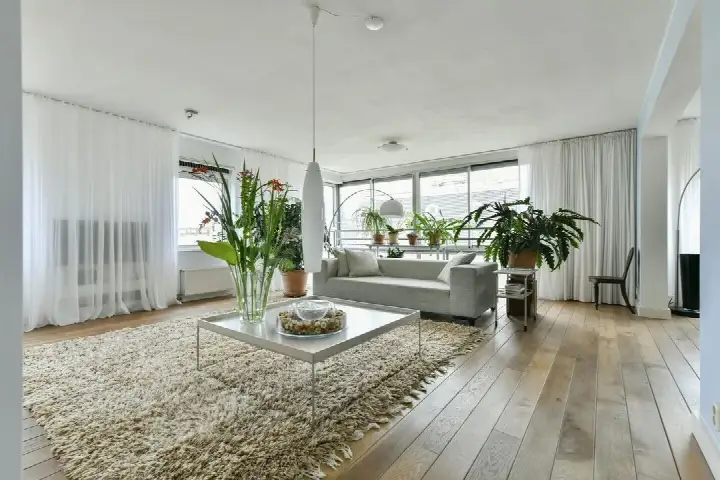
The apartment has an energy label A+, which is an efficient label. The home was built in 2001. The listing does not provide further details about the layout, number of rooms, or any outdoor space. The asking price works out to €6,504 per m² based on the BAG registration of the living area.
Life on Java-eiland
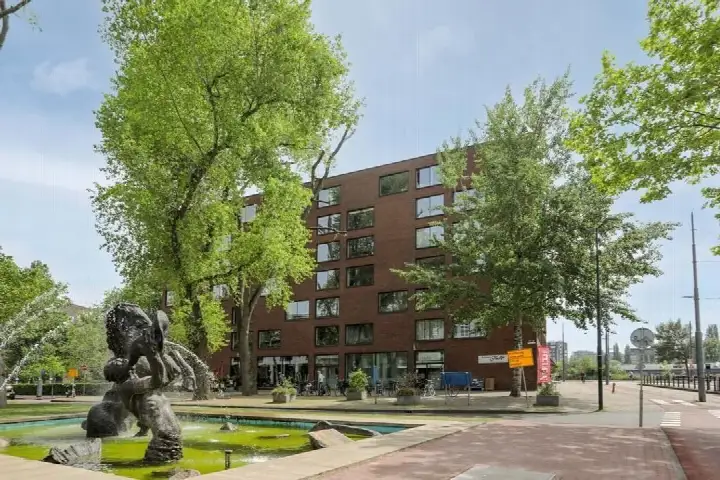
Residents of the wider district give it an average score of 7.48, based on seven reviews. One resident describes the area as a "little neighbourhood tucked away somewhere", praising the green spaces and the mix of residents, from the first generation of inhabitants now in their sixties to young families. Another resident appreciates the architecture: "it's almost as if you're walking through an open-air museum". The same resident notes the quiet and green environment, with wide streets and plenty of trees. However, one review mentions that public transport is only accessible via the Veelaan, and that the cycle path can be noisy at weekends. The district has 3,130 inhabitants, with a mix of ages and household types. This is [the Java-eiland neighbourhood] in a nutshell.
Amenities and transport
Daily errands are well covered. The Jumbo supermarket is on your doorstep, with Albert Heijn just around the corner. For primary education, Piet Hein school is a couple of streets away, and Montessori Lyceum Pax for secondary education is a five-minute walk. The GP practice, Praktijk de Oostkaap, is just around the corner, and the pharmacy Apotheek Czaar Peter is a ten-minute walk. The Azartplein stop, served by tram and bus lines 1, 43, 65 and F1, is on your doorstep. Amsterdam Muiderpoort station is 1.7 km away. This all falls within [the municipality of Amsterdam]. According to public risk data at address level, the noise from road traffic, rail, air and industry is all below the relevant standards. The foundation risk indication is low. For climate, the pluvial flooding risk is low, while the current flood risk is elevated but low by 2050. Heat stress is medium now and in 2050. These are area-level indications, not an inspection of this specific home.
Source
At the time of writing the home is offered only via Keij & Stefels B.V.
This summary was generated with AI and may contain errors. Always verify the details with the provider.
Features
Details of this home
Transfer
Price


Construction
The WOZ value is set annually by the municipality with 1 January as its reference date, and therefore lags the market by about a year. It is an estimated market value, not a sale price.
Frequently asked questions
About Bogortuin 121, Amsterdam
What is the asking price for this apartment?
The asking price is €800,000. This is in line with the market when compared to the neighbourhood average asking price of €729,000. The price per m² is €6,504 based on the BAG living area of 123 m². Currently there are five apartments for sale in the neighbourhood, with prices ranging from €525,000 to €895,000.
What is the energy label and what does it mean?
The apartment has an energy label A+, which is an efficient label. This means the home is expected to have relatively low energy costs compared to less efficient labels. The home was built in 2001. The listing does not provide details about insulation or heating installations.
What is the WOZ value of this property?
The WOZ value is the municipal valuation used for tax purposes, and it is not always included in property listings. If you want to know the official WOZ value, you would need to check the municipal records.
What is the foundation risk for this address?
The foundation risk indication for this address is low, according to public risk data at address level. This is an area-level indication based on the KCAF data, not an inspection of this specific home. The data does not indicate any particular foundation concerns for this location.
What are the flood and climate risks for this area?
According to public climate risk data at address level, the pluvial flooding risk (from heavy rain) is low. The current flood risk is elevated, but by 2050 this is expected to be low. Heat stress is medium both now and in 2050. These are area-level indications from the Klimaateffectatlas, not an assessment of this specific property.
What supermarkets are nearby?
The nearest supermarket is Jumbo at 267 metres, followed by Albert Heijn at 328 metres. Both are within easy walking distance. A Vomar is at 1.2 km, and there are further Albert Heijn and Jumbo options at around 1.3 km. In total, there are 120 supermarkets within 5 km of this address.
Which schools are close to this apartment?
Piet Hein primary school is 386 metres away, and Montessori Lyceum Pax secondary school is 397 metres away. Basisschool De Achthoek is at 597 metres, Montessorischool Op de Kade at 630 metres, and Basisschool Oostelijke Eilanden at 957 metres. There are 154 schools within 5 km of this address.
What public transport options are available?
The nearest stop is Azartplein at 109 metres, served by tram and bus lines 1, 43, 65 and F1. C. van Eesterenlaan stop is at 351 metres with lines 1, 43, 65 and N89, and Rietlandpark at 393 metres with lines 1, 26 and 43. The nearest train station is Amsterdam Muiderpoort at 1.7 km.
How do residents rate this area?
Residents of the wider district give it an average score of 7.48, based on seven reviews. One resident praises the architecture and green spaces, calling it "an open-air museum". Another notes the mix of residents and the community feel. However, one review mentions limited public transport access and noise on the cycle path at weekends.
What is the neighbourhood like in terms of demographics?
The neighbourhood has 3,130 inhabitants. The largest age group is 45 to 65 years, making up 35% of the population, followed by 25 to 45 years at 28%. About 49% of households are single-person households, and 23% are households with children. The average household size is 1.8 people.