




Edisonstraat 30B
Doornbos-Linie, Breda
 Area
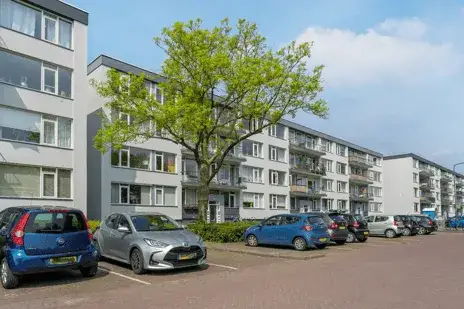
AreaA classic apartment on Edisonstraat
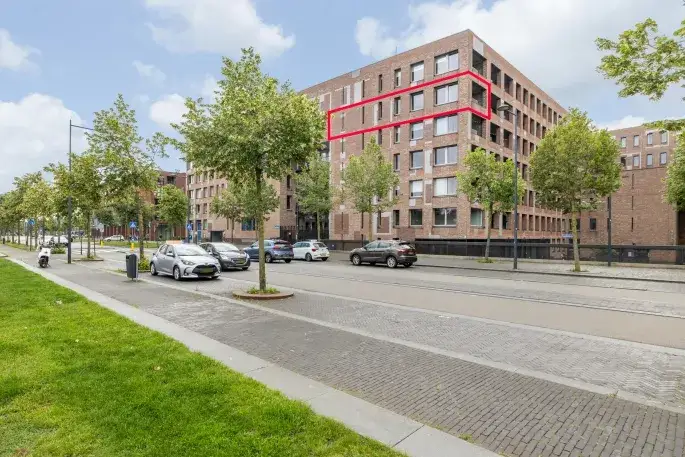
This apartment on Edisonstraat sits in a lively part of Breda, with a practical layout across 85 m². Built in 1955 and carrying an energy label C, it offers a solid base for someone looking to put their own stamp on a home. The asking price of €395,000 is keen compared to the neighbourhood average of €454,281, making it a fair entry point for apartments in Breda.
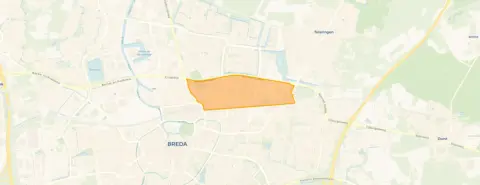
The Doornbos-Linie neighbourhood
Doornbos-Linie is a dense urban area with a mix of pre-war and newer housing. Around half the homes are single-family, and a third are owner-occupied. The population is young, with many 25-to-45-year-olds and a fair number of students. One resident describes it as "a decent neighbourhood overall, but around the shops it can sometimes be unsafe." The same resident notes that "there are sometimes characters who find girls a bit too interesting." This is based on a single review, so it's one perspective on the Doornbos-Linie neighbourhood.
Life on the street
For daily groceries, you have a SPAR express just around the corner and a Jumbo a couple of streets away. An Albert Heijn is a ten-minute walk. Primary schools are close: the Rudolf Steiner School and Islamitische Basisschool Okba Ibnoe Nafi are both within a five-minute walk. For secondary education, Newmancollege is also just around the corner. The train station is a twenty-minute walk, and a GP and a restaurant are both on your doorstep. The municipality of Breda (the municipality of Breda) keeps the city well connected.
At the time of writing
At present the home is listed through several channels, including Zagers makelaars-taxateurs o.z. and Zagers makelaars-taxateurs o.z..
This summary was generated with AI and may contain errors. Always verify the details with the provider.
Features
Details of this home
Transfer
Price
Energy
 Save up to € 400 on your energy billCompare now
Areas and volume
 Insure your home and belongingsGet insured
Layout
Construction
Outdoor space
Frequently asked questions
About Edisonstraat 30B, Breda
Is €395,000 a fair price for this apartment?
The asking price of €395,000 is below the neighbourhood average of €454,281 and the median of €410,000. Given the 85 m² floor area, the price per m² works out to about €4,647, which is slightly below the neighbourhood average of €4,828. So it's priced keenly compared to other homes currently for sale in Doornbos-Linie.
What is the energy label and what does it mean?
The apartment has an energy label C. That means it's reasonably efficient but not top-tier. You can expect moderate energy bills, though older buildings from 1955 may need some attention to insulation. In the neighbourhood, about 33% of homes have label A+ or better, while 22% are D or lower.
How safe is the Doornbos-Linie neighbourhood?
One resident gave the neighbourhood a score of 6.13 out of 10, calling it 'decent overall' but noting that around the shops it can sometimes feel unsafe, particularly for women. The total number of reported crimes in the area is 302, which is relatively high for a neighbourhood of about 4,700 residents. It's worth being aware of this if safety is a priority.
What public transport options are available?
The nearest train station is 2 km away, about a 20-minute walk or a short cycle. The address density of 3,058 addresses per km² indicates a very strong urban area with good connectivity.
What schools are near this apartment?
Several primary schools are within walking distance: Rudolf Steiner School (462 m), Islamitische Basisschool Okba Ibnoe Nafi (476 m), Kbs St. Joseph (514 m), and Kbs De Spoorzoeker (644 m). For secondary education, Newmancollege is just 497 m away. All are within a five to ten-minute walk.
How many homes are for sale in the neighbourhood?
Currently there are 16 apartments and houses for sale in Doornbos-Linie, with prices ranging from €320,000 to €775,000. The average time on market for sold homes is 38 days, which is fairly quick, suggesting decent demand.
What is the typical buyer profile in this area?
The neighbourhood has a young population, with many 25-to-45-year-olds (1,805 residents) and a high proportion of single-person households (1,405 out of 2,660 households). Only 560 households have children. This suggests a mix of young professionals and students.