




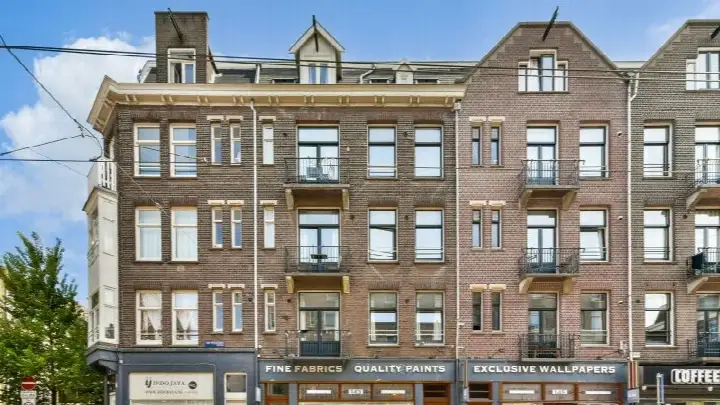
Van Woustraat 143-3
Willibrordusbuurt, Amsterdam
 Area
AreaA grand apartment on the Van Woustraat
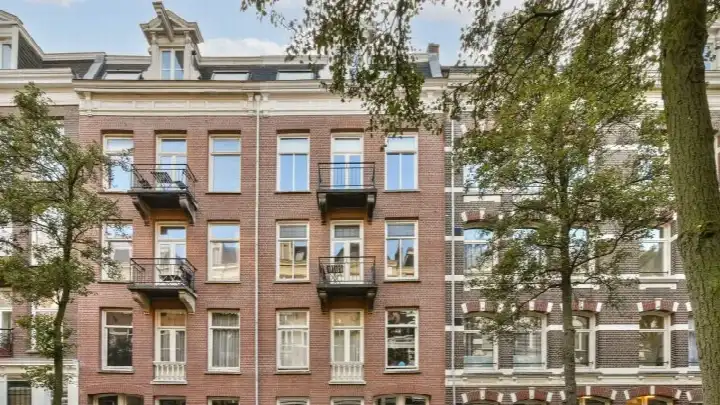
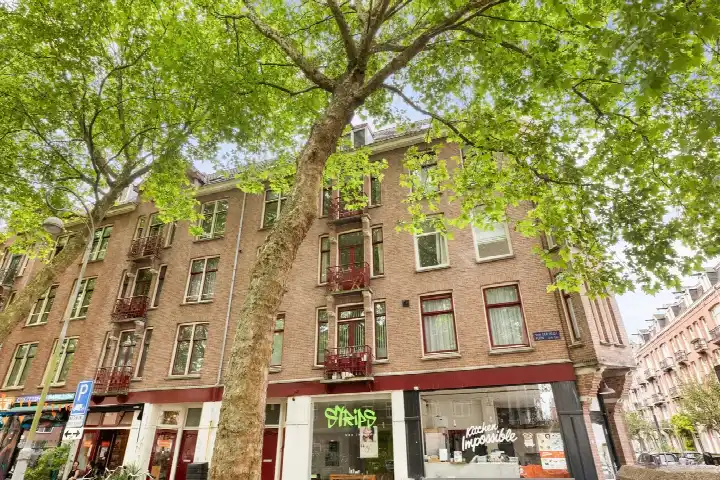
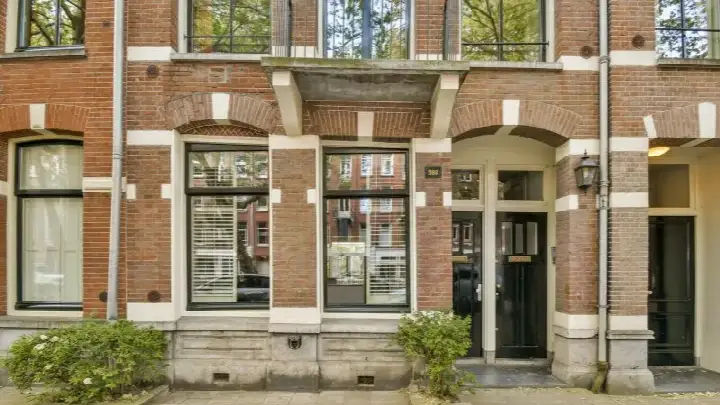
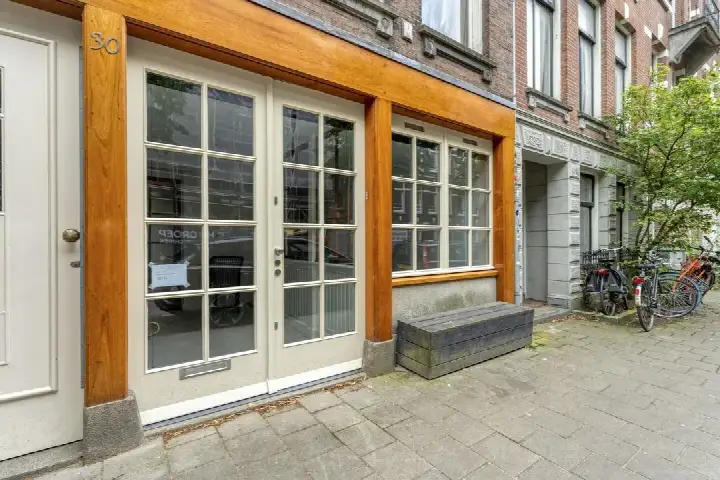
This spacious apartment sits on the lively Van Woustraat in the Willibrordusbuurt, part of the Nieuwe Pijp in Amsterdam. The listing does not state the energy label, so that information is missing. Built in 1911, the home offers a generous living area of 130 m² according to the BAG registration. At €995,000, the asking price is 58% above the neighbourhood average asking price of €629,931, which puts it on the high side compared to other apartments in Amsterdam.
The home itself
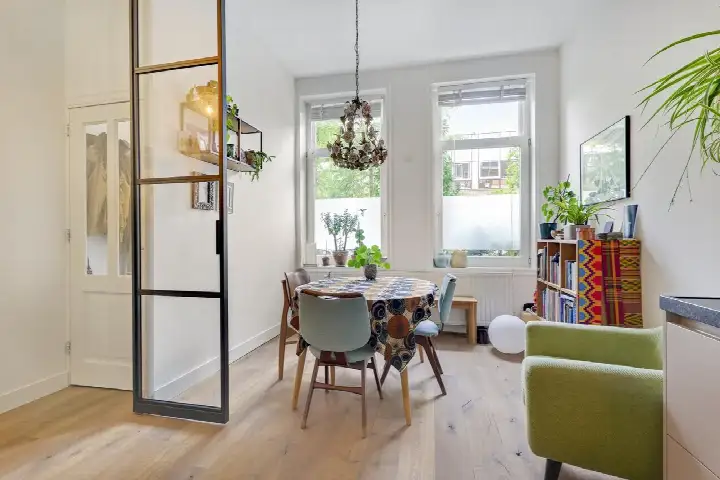
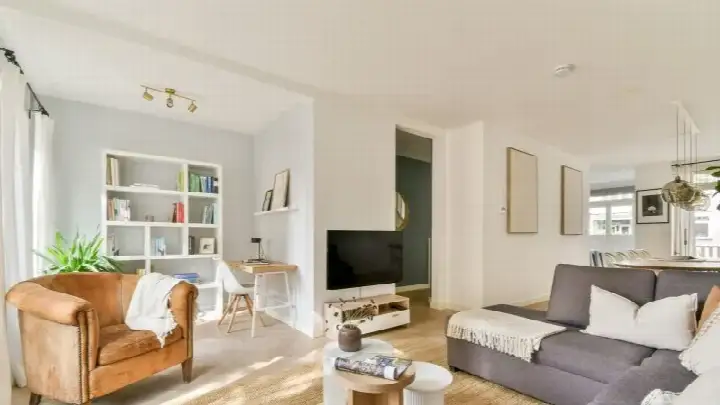
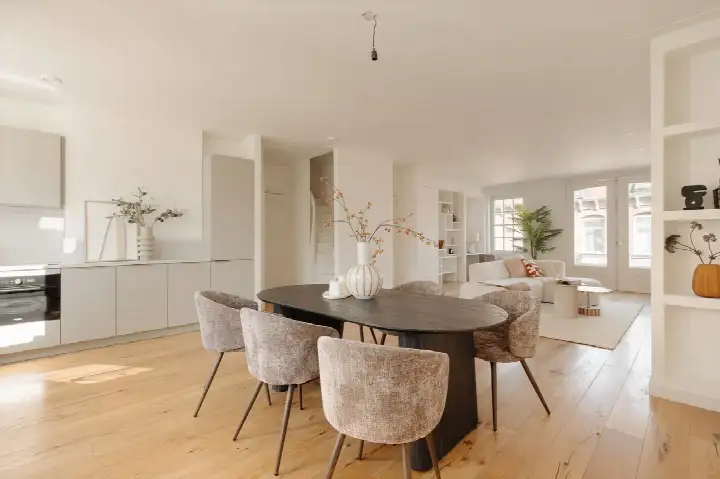
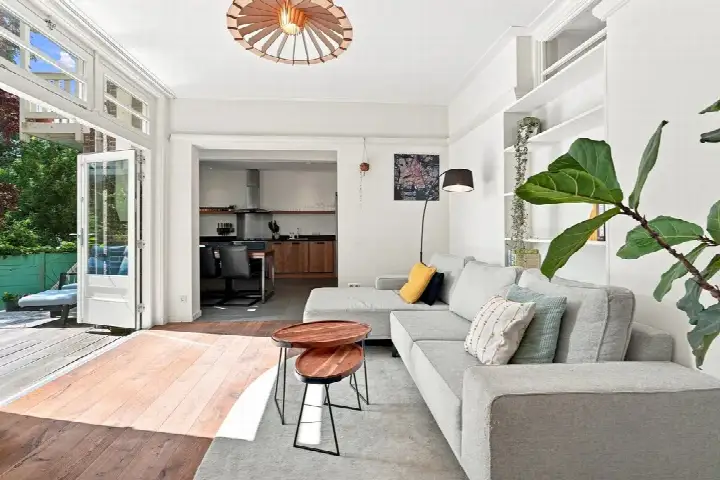
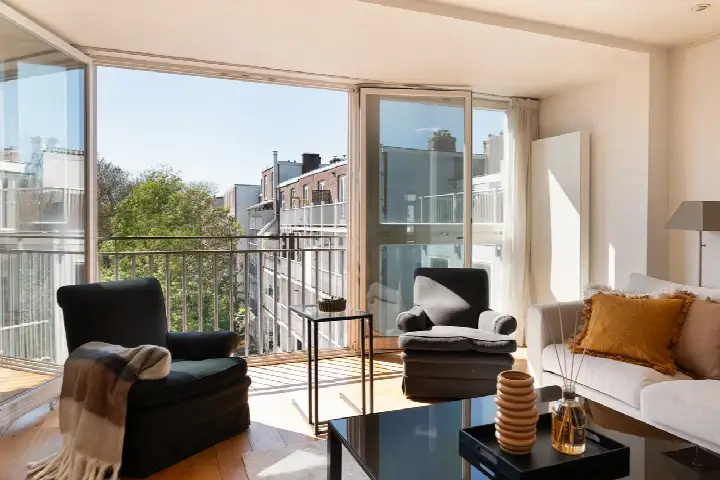
The apartment dates from 1911 and the agent has not published further details about the layout, bedrooms, or installations. The living area is 130 m² according to the BAG registration. Because the listing is incomplete, there is little more to say about the interior.
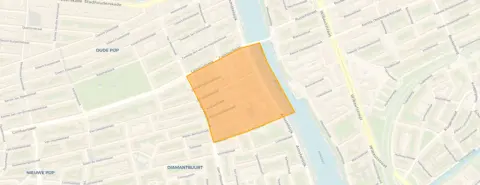
Life in the Willibrordusbuurt
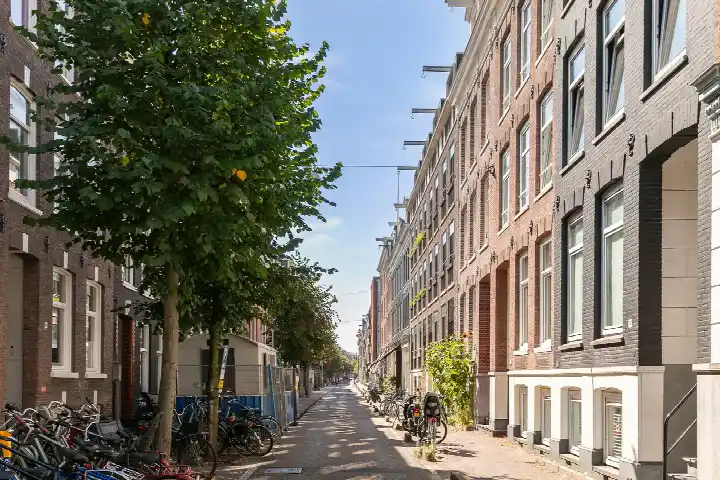
Residents of the district give it an average score of 7.47 based on four reviews. One resident describes it as lively, with a tram stop right outside and the North-South line station across the street, plus the Albert Cuyp Market within walking distance. Another resident calls it the best neighbourhood, praising its accessibility by metro and tram, the greenery with parks and trees, and the many amenities such as shops, bakeries, butchers, and eateries. A third review is more mixed, mentioning that it can sometimes be chaotic. The neighbourhood has 2,715 inhabitants, and the average household size is 1.4 people. The crime figure stands at 161 reported incidents, which you can interpret for yourself. This is the Willibrordusbuurt neighbourhood.
Amenities and transport
The Albert Heijn supermarket is on your doorstep at just 7 metres away, with a Lidl a couple of streets further. For schools, IVKO - Leren van Kunst is a five-minute walk, and the 3e Daltonschool Alberdingk Thijm is just around the corner. The nearest GP, Huisartsenpraktijk de Wetering, is a ten-minute walk, while Service Apotheek de Pijp is just around the corner. Tram stops Lutmastraat and Van Woustraat are within a couple of streets, served by lines 4, 25, and N84. Amsterdam Amstel train station is a ten-minute walk away. All of this sits within the municipality of Amsterdam.
WOZ and address data
No WOZ value is available for this property. According to public address-level risk data, the road traffic noise load is 63 dB Lden, which is above the noise standard, while railway and aircraft noise remain below their standards. The foundation risk indication is medium, as the building dates from before 1970. Pluvial flooding at heavy rain is indicated as medium, current flood risk as low, and heat stress is medium now, rising to elevated by 2050. These are area-level indications, not an inspection of this specific home.
Source
At the time of writing the home is offered only via ME Makelaars B.V.
This summary was generated with AI and may contain errors. Always verify the details with the provider.
Features
Details of this home
Transfer
Price

Construction
The WOZ value is set annually by the municipality with 1 January as its reference date, and therefore lags the market by about a year. It is an estimated market value, not a sale price.
Frequently asked questions
About Van Woustraat 143-3, Amsterdam
How does the asking price compare to other homes in the neighbourhood?
The asking price of €995,000 is 58% above the neighbourhood average asking price of €629,931. The average price per m² in the neighbourhood is €9,863, while this home works out at €7,654 per m² based on the BAG living area of 130 m². The neighbourhood average living area is 67 m², so this apartment is considerably larger.
What is the living area of this apartment?
According to the BAG registration, the living area is 130 m². This is 94% larger than the neighbourhood average of 67 m². The agent has not published further details about the layout, number of bedrooms, or bathrooms in the listing.
Why is there no energy label in the listing?
The agent has not published this field. The address itself is complete, so the location and neighbourhood data are accurate, but the energy performance of this specific home is unknown.
What is the foundation risk for this property?
The foundation risk indication for this address is medium. This is based on the fact that the building was constructed before 1970, in 1911. According to the KCAF attention area, 100% of the properties in this postcode area were built before 1970. This is an area-level indication, not an inspection of this specific home.
How noisy is the location?
The road traffic noise load at this address is 63 dB Lden, which is above the noise standard. Railway noise is 38 dB Lden and aircraft noise is 44 dB Lden, both below their respective standards. These figures come from public address-level data and are area-level indications.
What supermarkets are nearby?
An Albert Heijn supermarket is located just 7 metres from the front door. A Lidl is about 571 metres away, and there are several other Albert Heijn branches within 574 to 685 metres. This makes daily grocery shopping very convenient.
Which schools are close to this apartment?
IVKO - Leren van Kunst, a secondary school, is 238 metres away. The 3e Daltonschool Alberdingk Thijm primary school is 333 metres away, and the 4e Montessorischool de Pinksterbloem is 412 metres away. The Berlage Lyceum secondary school is 486 metres from the home.
What public transport options are available?
Tram stops Lutmastraat and Van Woustraat are within 150 to 232 metres, served by lines 4, 25, and N84. The Ceintuurbaan stop is 233 metres away with line 4. Amsterdam Amstel train station is 1,289 metres away, about a ten-minute walk.
What do residents say about the district?
Residents of the district give it an average score of 7.47 based on four reviews. One resident praises the lively atmosphere, the tram stop right outside, and the Albert Cuyp Market within walking distance. Another calls it the best neighbourhood, noting good accessibility, greenery, and many amenities. A third review mentions it can sometimes be chaotic.
What is the flood risk for this address?
The current flood risk is indicated as low, and it is expected to remain low by 2050. Pluvial flooding at heavy rain is indicated as medium. Heat stress is currently medium and is expected to become elevated by 2050. These are area-level indications from the Klimaateffectatlas, not an assessment of this specific property.